Erie homeowners are watching the grid differently now. Not with panic, but with attention. Solar battery storage in Colorado has entered that conversation with more weight this year.
Net metering has not disappeared, but it is evolving. Utility structures across Colorado are adjusting compensation rates over time. That shift changes how homeowners think about energy independence.
ARE Solar has seen this shift in real installations across the Front Range. Batteries are no longer a niche add-on. They are becoming part of system design decisions from the start.
The question is no longer whether solar works. The question is how much control you want over it.
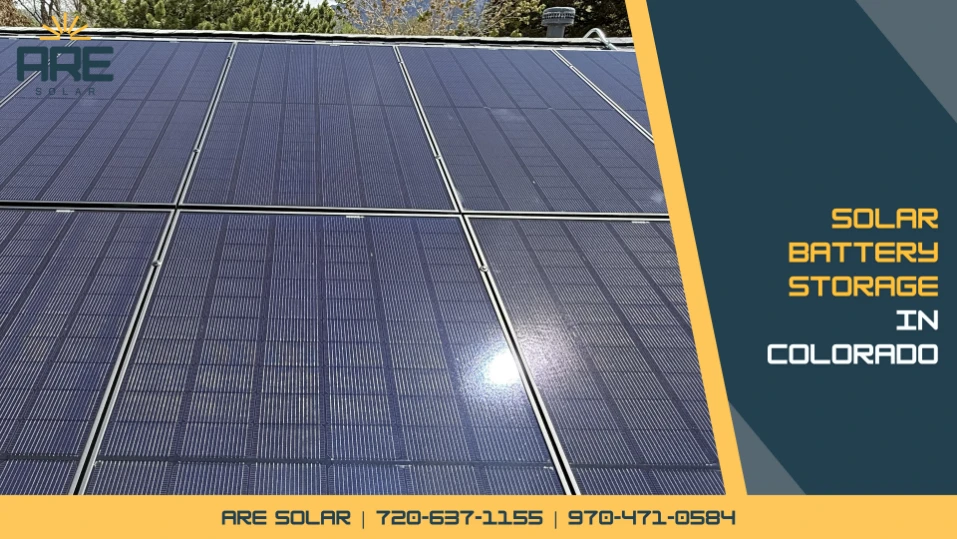
Solar Battery Storage in Colorado and How It Actually Works
Solar battery storage in Colorado is not about replacing the grid. It is about controlling when you rely on it. That distinction matters in Erie where usage spikes and weather events overlap.
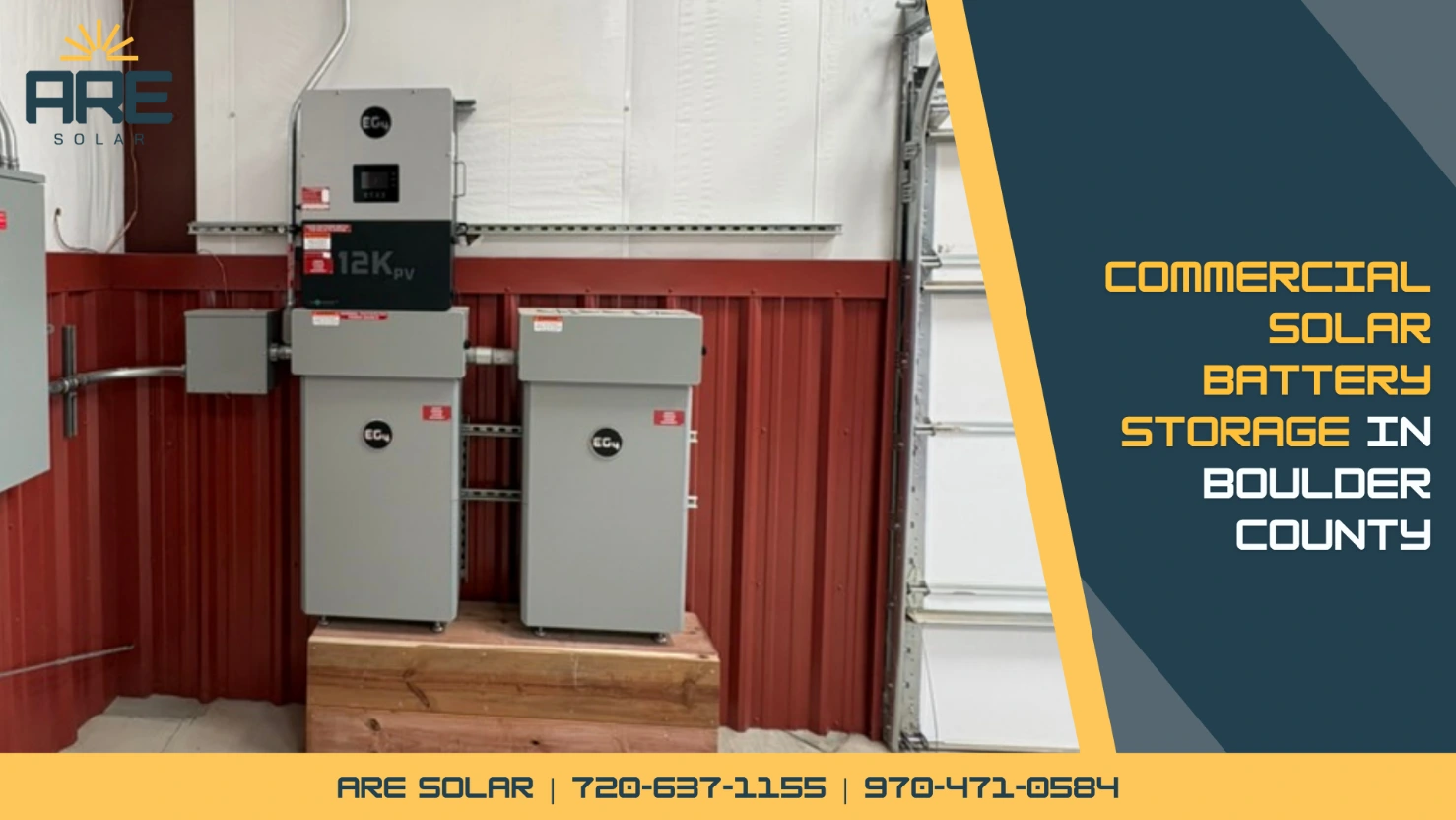
Batteries store excess solar production during the day. That energy powers the home at night or during outages. It reduces dependence on utility export rates that may change over time.
The U.S. Department of Energy explains how energy storage helps capture excess renewable energy for use when solar production is unavailable, improving resilience and grid flexibility.
The economics are shaped by usage patterns more than equipment alone. Homes with evening demand see stronger battery value. Homes with daytime usage rely more on direct solar consumption.
ARE Solar designs systems around load behavior first. Equipment selection comes after that analysis. That order matters more than most homeowners expect.
Net Metering Changes and Why They Are Reshaping Decisions
Net metering has historically allowed homeowners to export excess solar power. Utilities credit that energy back on monthly bills. That structure is still active but not uniform across regions.
In Colorado, export compensation can vary by utility provider. Some structures are becoming more time-based or reduced over time. That uncertainty is where batteries start to matter.
Erie, CO solar backup power is often discussed in this context. Homeowners are not just buying panels. They are planning for grid variability during peak hours.
ARE Solar approaches this with caution and clarity. We do not assume policy stays static. We design systems that function under multiple scenarios.
That includes partial export value and full self-consumption models.
When Batteries Make Financial and Practical Sense
Not every home needs battery storage. That is the first honest point. The second is that usage patterns matter more than incentives.
Homes with medical equipment, remote work setups, or frequent outages benefit most. Homes with high evening consumption also see stronger returns. These patterns drive value more than policy headlines.
Solar battery storage in Colorado becomes most meaningful during outage events. Colorado weather can shift quickly across Erie. Ice, wind, and grid interruptions are not rare patterns.
ARE Solar has installed systems where batteries sat unused for months. Then they became critical in a single storm cycle. That reality is part of the design conversation.
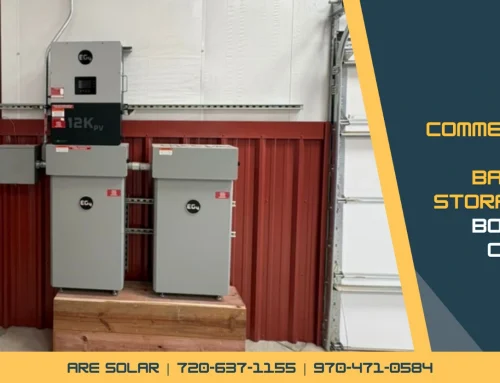
Battery systems also add complexity. More components mean more planning for placement, ventilation, and interconnection.
Engineering Considerations Most Homeowners Do Not See
Battery storage is not just a financial decision. It is an electrical design decision tied to the home’s backbone system.
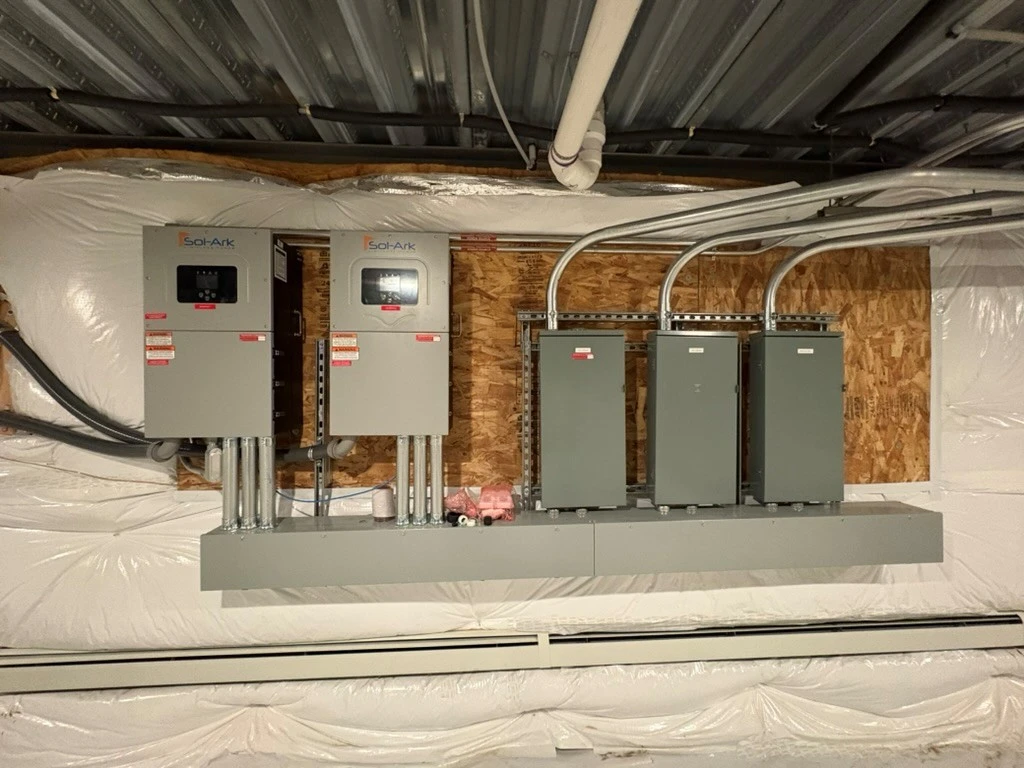
Inverters, transfer switches, and load panels must all align. Mismatched systems create inefficiency or downtime during outages. That is avoidable with proper design.
Colorado conditions add another layer. Temperature swings affect battery performance and placement decisions. Garages, utility rooms, and exterior enclosures all behave differently.
ARE Solar treats storage as part of the full electrical architecture. Not a standalone product. That approach reduces failure points over time.
Permitting and utility approval also matter. Every jurisdiction around Erie applies slightly different rules.
The Real Question: Control or Dependence
The debate around batteries is often framed incorrectly. It is not about saving or spending. It is about control during uncertainty.
Net metering changes will continue to evolve over time. That is already visible across multiple utilities. The direction is toward more dynamic pricing structures.
Solar battery storage in Colorado gives homeowners a buffer against that shift. It allows energy use without full reliance on export credits.
ARE Solar does not frame this as urgency. We frame it as structure. Systems either absorb change or react to it.
The difference shows up years later, not on day one.
Closing Perspective: Building Systems That Stay Stable Under Change
Energy systems in Colorado are entering a transition phase. Not dramatic, but steady. Incentives, rates, and grid behavior are all moving pieces.
Battery storage is one way to stabilize that environment. It does not solve everything. It does change how predictable your home energy becomes.
ARE Solar builds systems for that kind of uncertainty. We design, install, and bring systems to PTO without leaving gaps in execution.
FAQs
Is solar battery storage in Colorado worth it without net metering changes?
Yes, but it depends on usage patterns. Homes with evening demand or outage sensitivity see stronger value. The benefit is more control, not just billing offsets.
How long do home solar batteries last in Colorado conditions?
Most modern lithium batteries last 10 to 15 years. Performance depends on temperature exposure and cycling frequency. Proper installation improves long-term stability.
Does Erie, CO solar backup power work during long outages?
Yes, but duration depends on battery size and load usage. Essential circuits can run for hours or days depending on system design. Whole-home backup requires larger capacity.
Can batteries work with existing solar panels?
Yes, many systems can be retrofitted with storage. Compatibility depends on inverter type and system age. A site evaluation is required before integration.
Does ARE Solar install and maintain battery storage systems?
Yes, ARE Solar designs, installs, and services integrated solar and battery systems. Every system is completed through permitting and utility PTO without leaving gaps in execution.
From Grid Questions to Energy Control: Planning Solar Battery Storage in Colorado with ARE Solar
When homeowners ask about solar battery storage in Colorado, they are really asking about resilience. Not just backup power, but energy structure under changing rules.
ARE Solar has installed systems across Colorado where net metering looked different every year. The physical system remained the constant. The policy did not.
If you are evaluating storage in Erie, start with your actual usage patterns. Then layer incentives and grid assumptions on top.
Reach out to ARE Solar to design solar battery storage in Colorado systems that are built for Colorado conditions, not assumptions.