Longmont’s “Value of Solar” Credit in 2026: What It Means for Commercial Utility Bills
Longmont’s value-of-solar credit changes how qualifying solar customers are compensated for excess power. Longmont Power & Communications (LPC) operates the utility. Since January 1, 2025, new and expanded solar systems have followed the updated value-of-solar structure. The applicable credit depends on the customer’s LPC rate classification.
The value-of-solar credit sits between wholesale and retail. It still pays commercial solar owners for the power they send back. But it reflects what that power is actually worth to the grid. It’s not simply what LPC charges to buy it.
For businesses, the credit structure can materially affect project economics because commercial bills can include both energy and demand charges.
A rate change of a few cents per kilowatt-hour compounds fast. That’s true across a full year of production. If you’re planning a commercial system in Longmont, the credit structure changes your math. Understanding commercial solar billing in Longmont, CO helps value exported energy.
What Is Longmont’s Value-of-Solar Credit?
Longmont’s value-of-solar credit is how LPC compensates solar customers for excess electricity sent to the grid. For commercial customers, the credit varies by LPC rate classification and is generally lower than the retail electricity rate.
Why LPC Moved Away From Retail-Rate Credits
LPC is a municipal utility, not an investor-owned one like Xcel Energy. It buys electricity wholesale from Platte River Power Authority.
For example, imagine LPC’s wholesale electricity cost is 10¢ per kWh and its retail rate is 15¢. These figures are hypothetical and do not reflect actual LPC rates.
- LPC buys electricity from power plants for 10¢ per kWh (wholesale price).
- LPC sells electricity to homes for 15¢ per kWh (retail price). The extra 5¢ helps pay for power lines, maintenance, crews, customer service, and other operating costs.
Now suppose you have solar panels.
When your panels produce more electricity than you use, you send the extra power back to the grid.
Using the hypothetical example above, LPC gave you 15¢ per exported kWh. That electricity only saved LPC about 10¢ to buy elsewhere.
LPC determined that the retail-rate credit exceeded the value of the electricity itself. This created costs that could be shifted to non-solar customers.
LPC estimated that continuing this system would shift nearly $2 million in costs to non-solar customers over 15 years.
Now:
Instead of paying the full retail price (15¢), LPC applies the applicable value-of-solar credit.
That rate is:
- Higher than wholesale because local solar still provides benefits, such as reducing demand on the grid.
- Lower than retail because LPC still has to maintain the electric grid and cover operating costs.
So, the goal is to pay solar owners fairly without burdening non-solar customers.
What Changes for Commercial Systems Specifically
Longmont’s solar credit depends on the LPC rate requirements that applies to the property. For commercial customers, LPC currently lists different generation credits for its self-generation rates:
| LPC rate | Generation credit |
| CEGE | 9.62¢ per kWh |
| CDGE | 5.60¢ per kWh |
| CCGE | 5.60¢ per kWh |
Which class applies depends on the building’s billed demand. CEGE covers demand under 50 kW. CDGE covers demand above 50 kW. CCGE covers demand above 800 kW. Demand is the highest 15-minute average during the billing period.
Systems that reached permission to operate on or before December 31, 2024 sit on legacy versions of these rates, and those pay more. Those legacy classes are CEGL, CDGL, and CCGL. They are also seasonal, with a higher summer rate. The current rates are flat year-round. That seasonal difference is a second reason to think carefully before modifying an existing system.
If a business generates more electricity than it uses, the applicable LPC rules determine how that excess generation is credited. These credits apply to electricity generated by a customer’s solar system and sent back to the LPC grid. Consumption and production are measured monthly. If production beats consumption at the end of a month, the difference goes on your bill as a credit toward future bills.
Nothing about the size of your array determines which rate you are on. Your building’s demand does. Systems above 50 kW get a case-by-case review, and sizing follows the city’s interconnection standards. At 1,000 kVA and above, LPC coordinates with Platte River Power Authority on both interconnection and compensation.
Rates can change. Larger projects may require different utility treatment. Businesses should confirm current rates and eligibility with LPC before making solar or equipment decisions.
That’s a real difference for a business modeling a 20-year system life. It changes how fast daytime production offsets your bill. It also changes how much exported power is worth on the credit side.
The Grandfather Clause Matters
Here’s the part commercial property owners need to know before they panic. Systems that reached permission to operate on or before December 31, 2024 keep their current retail credit rate. LPC has committed to honoring that through January 2040.
If the system received permission to operate on or before December 31, 2024, it may qualify for legacy treatment. However, expansions, replacements, upgrades, or ownership changes can affect eligibility. Businesses should confirm their status with LPC before modifying an existing system.
Why Sizing Matters More Now
A lower generation credit changes how a system should be designed. Facilities that use most of their power during daylight hours still see strong returns. They offset the full retail rate directly, without relying on the export credit at all.
Low daytime use will export a larger share of production. That exported power earns lower value of solar credit, not the retail rate. Sizing a system to match your actual load curve now matters more than sizing for maximum offset.
This is where design work earns its keep. ARE Solar’s licensed master electricians and NABCEP-certified designers model actual hourly usage before proposing array size.
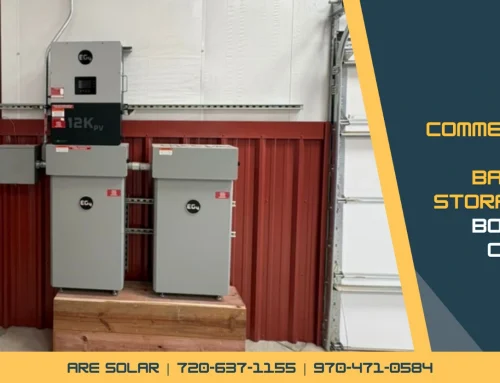
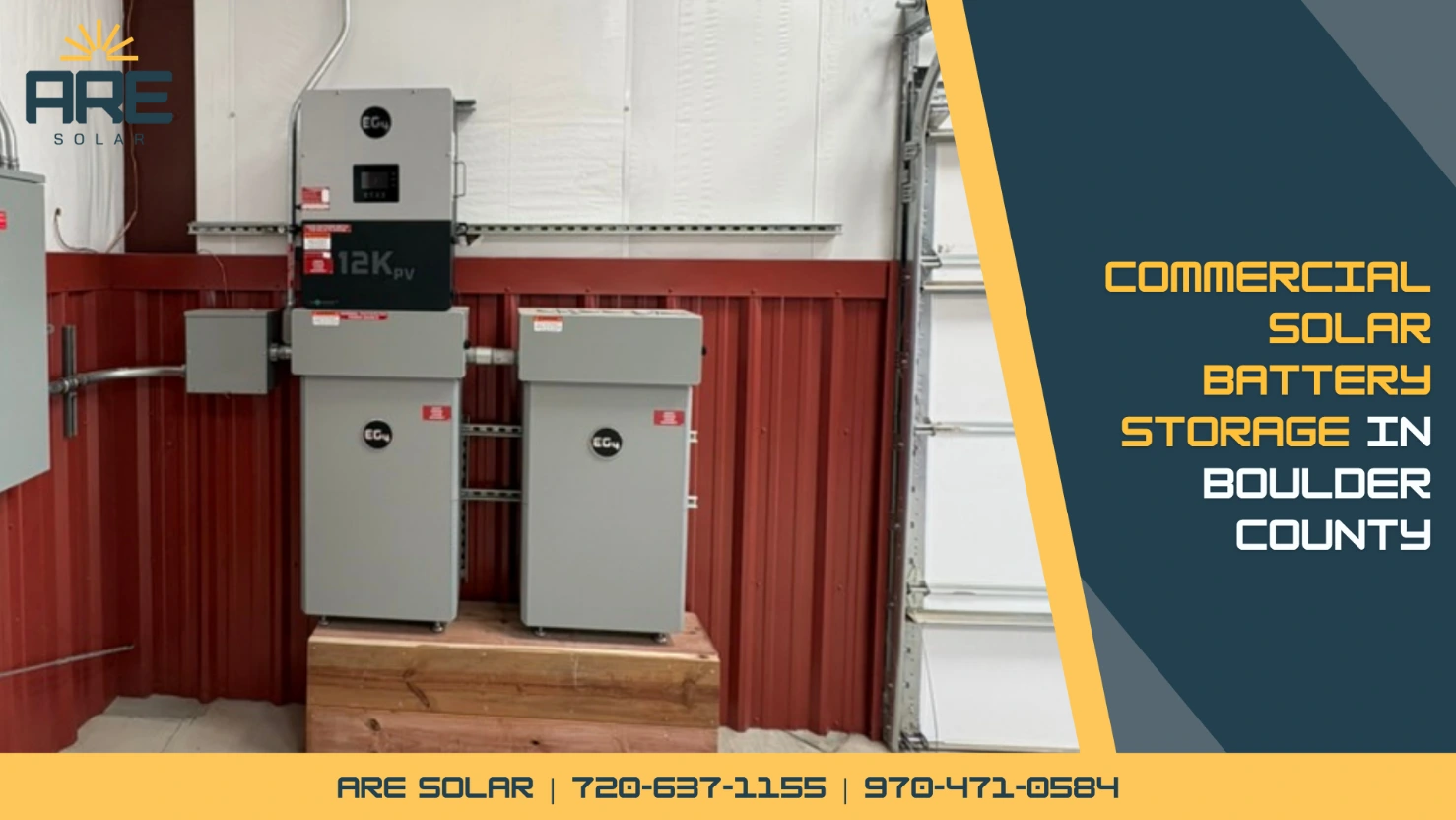
We look at whether battery storage closes the gap between what’s produced and what’s exported. Old retail-rate systems perform differently under new rates. Building around it, not around outdated assumptions, is the difference.
Frequently Asked Questions
Does the value of solar credit apply to residential customers too? Yes. Longmont’s value-of-solar framework also applies to qualifying residential systems installed or expanded after January 1, 2025. However, residential and commercial customers are billed under different applicable rate schedules.
How does LPC decide which demand tier applies to my business? Demand is measured as the highest 15-minute average draw during a billing period. Customers whose demand stays under 50 kW for 12 straight months can request reassignment to a lower tier.
Can commercial solar still pay off under the new rate? Often, yes. Returns now depend more on matching system size to daytime usage than on maximizing total production.
What happens if I add battery storage to a system installed before 2025?
Adding or modifying equipment can affect a system’s eligibility for a legacy rate. LPC’s commercial rate rules specifically address system increases, replacements, upgrades, and ownership changes. Businesses should confirm the rate impact with LPC before modifying an existing system.
How does the Longmont solar credit work? The Longmont value of solar credit determines how LPC compensates solar customers for excess electricity sent back to the grid. New and expanded systems following the January 1, 2025 changes use the updated credit structure rather than the previous retail-rate credit.
Build the Solar Plan Around Your Property
Solar decisions become clearer when the building comes first. Commercial solar billing in Longmont, CO depends on more than the credit rate alone. The utility credit matters, but the design matters more.
ARE Solar helps Longmont business and property owners understand the complete picture. That includes solar production, utility billing, Colorado conditions, and future energy needs.
Bring your utility questions, roof challenges, and project goals to the team that finishes what it starts. Contact ARE Solar to discuss what solar can look like for your Longmont property.