Solar panel troubleshooting in Douglas County starts by identifying what changed. Check your monitoring data, current weather, utility service, and inverter status. A cloudy afternoon or snow-covered array can reduce production without indicating equipment failure. A repeated error code, dead monitoring connection, or sudden unexplained production loss deserves closer attention.
Colorado hail, wind, snow, and temperature swings test exposed system components.
Homeowners can document symptoms without opening electrical equipment or climbing onto the roof. Record the error code, outage time, recent weather, and production history. Then call a qualified solar service team when the problem repeats. Burning smells, arcing sounds, damaged wiring, or visible impact damage require immediate professional attention.
The goal is not guessing faster. It is finding the actual fault safely.
Start With Evidence, Not Guesswork
Your monitoring platform is the first place to look. Compare today’s output with similar days from the same season. Weather changes daily, so one low-production day proves very little.
Look for a clear break in the pattern. Did every panel stop reporting simultaneously? If your monitoring system provides module-level data, did one module fall behind neighboring modules? Did production disappear while the monitoring portal remained online?
These patterns point toward different causes. A systemwide loss may involve the inverter, grid connection, or service equipment. One underperforming module may indicate shading, debris, wiring, or module-level electronics.
The Department of Energy recommends tracking output across hourly, daily, monthly, and annual periods. Monitoring separates ordinary variation from faults requiring service.
Why Can Solar Production Drop Suddenly?
Cloud cover, shorter winter days, smoke, and snow reduce available sunlight. Those changes affect production without damaging the system. Compare like conditions before assuming equipment has failed.
New shade deserves attention. Tree growth, roof additions, or nearby construction can change a previously clear solar window. On some string-inverter systems, shading on one module can affect production elsewhere on the connected string. The impact depends on the system design and whether module-level power electronics are installed.
Soiling from dust or pollen is more likely to cause gradual underperformance than an abrupt systemwide loss. Inverter faults, failed breakers, damaged conductors, and communication outages can produce sharper changes.
Monitoring can also fail while the array keeps generating. Confirm whether data or production stopped.
Solar Panel Troubleshooting in Douglas County Starts with Colorado Conditions
Douglas County spans exposed plains, foothill neighborhoods, and the Palmer Divide. Roofs face snow, hail, wind, strong sunlight, and rapid temperature changes. That combination can make a small installation defect consequential.
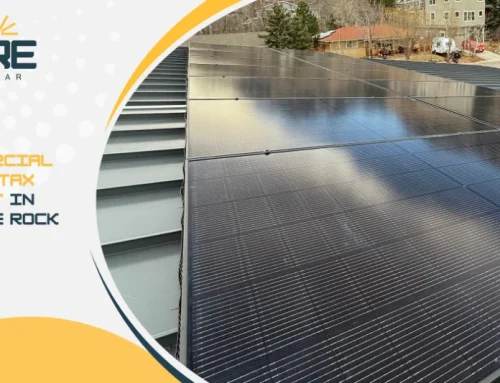
After hail, inspect the array from the ground. Look for broken glass, visibly shifted modules, loose or displaced equipment, or hanging conduit. Hidden electrical damage still requires testing.
After heavy snow, uneven clearing does not automatically mean failure. Roof direction, pitch, drifting, and nearby shade change melt patterns. Never climb onto an icy roof or scrape module glass.
High winds can also trigger utility outages. Standard grid-tied systems usually shut down when grid power disappears. That protects utility crews from backfed electricity. Solar alone does not provide backup power during most outages.
A properly configured solar-plus-storage system may continue supplying designated circuits. Its controls must allow islanded operation. The Department of Energy explains this distinction.
When Is an Inverter Error a Real Problem?
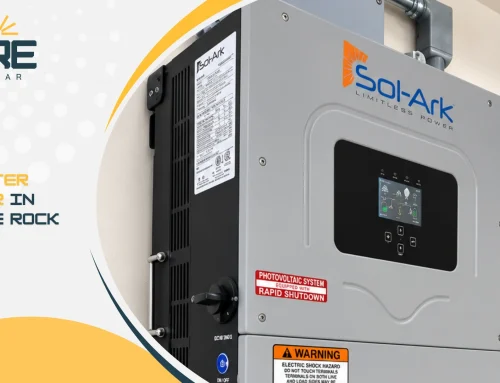
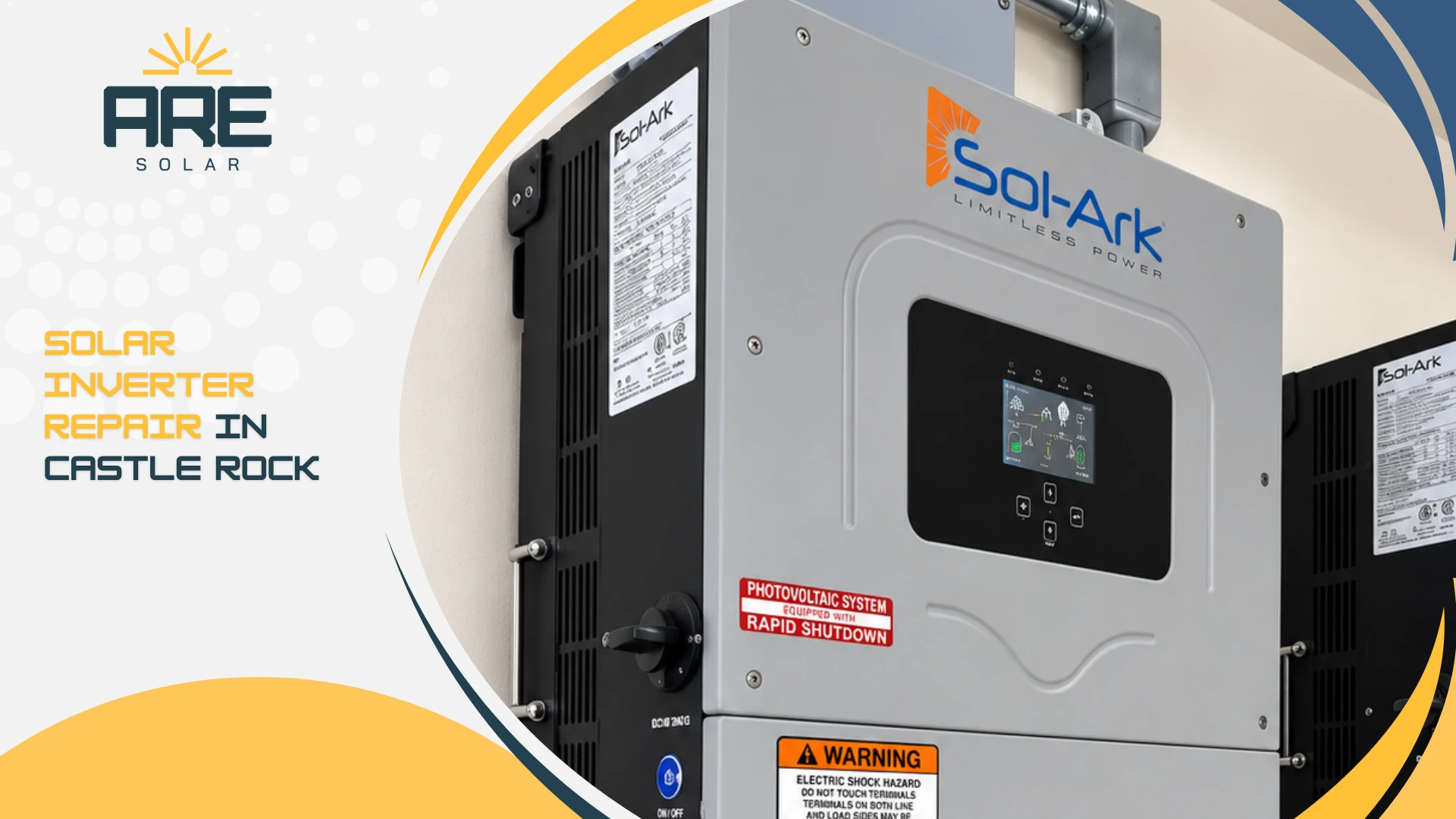
The inverter converts panel output into electricity your home can use. Depending on the equipment, an inverter may monitor conditions. These include voltage, frequency, temperature, insulation/ground faults, and grid status. An error message may reflect either equipment trouble or utility behavior.
Write down the complete code and its timestamp. Check the manufacturer’s monitoring portal for matching alerts. Do not remove covers or probe terminals.
Some grid-related codes clear after utility service stabilizes. Repeated isolation, ground-fault, overtemperature, or communication errors need diagnosis. The cause may sit upstream from the inverter itself.
To be real, repeatedly resetting a fault is not troubleshooting. Department of Energy advises electrical inspection after a system trips. Cycling power may hide the cause.
What Can Homeowners Safely Check?
Start with the system’s monitoring application and utility outage page. Confirm whether the whole neighborhood lost power. Then photograph any displayed error message.
From ground level, check for obvious physical changes. Look for displaced panels, animal nesting, loose conduit, roof debris, or broken glass. Keep clear of exposed conductors and damaged equipment.
Review the labeled solar breaker without removing the panel cover. A tripped breaker indicates a condition needing investigation. Do not repeatedly reset it.
Gather your plans, warranties, model numbers, and service records. Douglas County permit requirements can require installed solar equipment and electrical plans. These include one-line diagrams and other documentation needed for approval.
This preparation makes solar panel troubleshooting in Douglas County more precise. It gives the technician a timeline before arriving onsite.
The Repair Line Is Electrical, Structural, and Local
Solar repair in Douglas County often crosses several trades. A production problem may begin with roof movement, water intrusion, wiring damage, or inverter failure. Replacing one component without testing the system can miss the real cause.
County rules matter when repairs alter the electrical system.
Douglas County adopted its 2024 building, mechanical, plumbing, energy, and pool codes effective July 1, 2026. The county remains on the 2023 National Electrical Code, with its next NEC effective date set for January 1, 2027.
That creates an important local distinction. Castle Rock adopted the 2026 NEC effective June 30, 2026. Unincorporated Douglas County remains on the 2023 NEC. The applicable electrical code can depend on where the property sits, even within the same county.
Structural concerns require equal care. County requirements cover roof framing, dead load, snow load, wind load, and attachments. Visibly shifted rails or attachments should be professionally inspected.
Our NABCEP-certified team works with licensed master electricians and structural engineers.
We design, permit, install, inspect, repair, and turn systems on. We have worked under Colorado conditions since 2009. The same people remain responsible when the work gets complicated.
When Should You Schedule Solar Repair in Douglas County?
Call for service when production drops without a weather explanation. Repeated inverter faults, recurring breaker trips, and missing module data also warrant testing. So do leaks beneath attachment points.
Stop approaching the equipment after visible electrical damage. Burning odors, buzzing, arcing, melted insulation, or exposed conductors require distance and professional help. Contact emergency services when fire or immediate danger exists.
After hail or high winds, photograph damage from a safe location. Save monitoring screenshots and note when production changed.
A qualified diagnosis should identify the failed component and underlying cause. It should also explain required permits, utility coordination, warranties, and recommissioning. The work ends when the system operates correctly again.
Frequently Asked Questions
Why is my solar system producing nothing during an outage?
Most grid-tied solar systems shut down when utility power disappears. This anti-islanding protection helps keep utility workers safe. Backup operation requires compatible controls, an appropriate inverter, and usually battery storage.
Should I remove snow from my solar panels?
Usually, waiting is safer than climbing onto a snowy roof. Sunlight and warmer temperatures often clear exposed modules. Call a professional if snow reveals damage or creates a persistent production concern.
Does a monitoring alert always mean my panels failed?
No. The alert may involve communications, the inverter, utility voltage, or another system component. Save the code and timestamp before contacting service.
Can another installer repair my existing solar system?
Yes, if that team can service the installed equipment safely. Confirm licensing, diagnostic capability, warranty handling, permitting, and utility coordination. Ask who remains responsible through recommissioning.
Bring the System Back to Full Production
An unexplained production loss deserves a measured response, not another reset. Send ARE Solar your error codes, monitoring screenshots, and recent utility bills. Our team can evaluate the system from the array through the inverter and equipment to identify where the problem begins.
Our solar panel troubleshooting in Douglas County ends with a clear finding. You will know what failed, why it failed, and what repair requires. Contact ARE Solar and put your system back to work.