Commercial solar maintenance in Erie comes with local considerations that businesses should account for. Erie is served by two different electric utilities, Xcel Energy and United Power, a member-owned cooperative. The dividing line follows utility service territory rather than the county line, so the only reliable way to know is to check the address with each utility. The only reliable way to know is to check the address with each utility. That distinction can affect interconnection, metering, and other utility requirements when system work involves utility coordination.
Colorado weather adds another layer. Snow, hail, high winds, temperature swings, and site-specific soiling can all affect how a commercial solar system performs over time.
Industrial activity, construction traffic, and nearby roads can add dust to some Erie properties. Problems caught during scheduled maintenance may be easier and less costly to address than failures discovered after production drops. That’s the difference a maintenance plan makes.
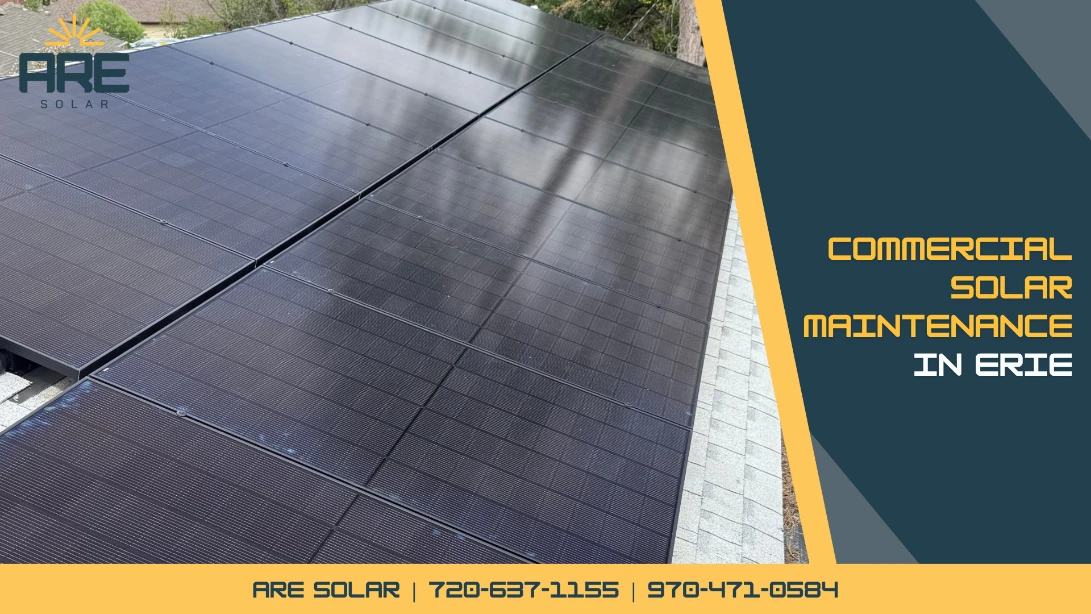
Commercial Solar Maintenance in Erie: Why Two Utilities Complicate It
Erie businesses may receive electric service from either Xcel Energy or United Power, depending on the property’s location.
Each utility has its own interconnection agreement and production reporting rules. A commercial solar repair on one side of town may need a different utility contact than the other. We confirm your utility before we touch anything. Getting that wrong can delay a repair by weeks.
Soiling Depends on the Property, Not Just the Calendar
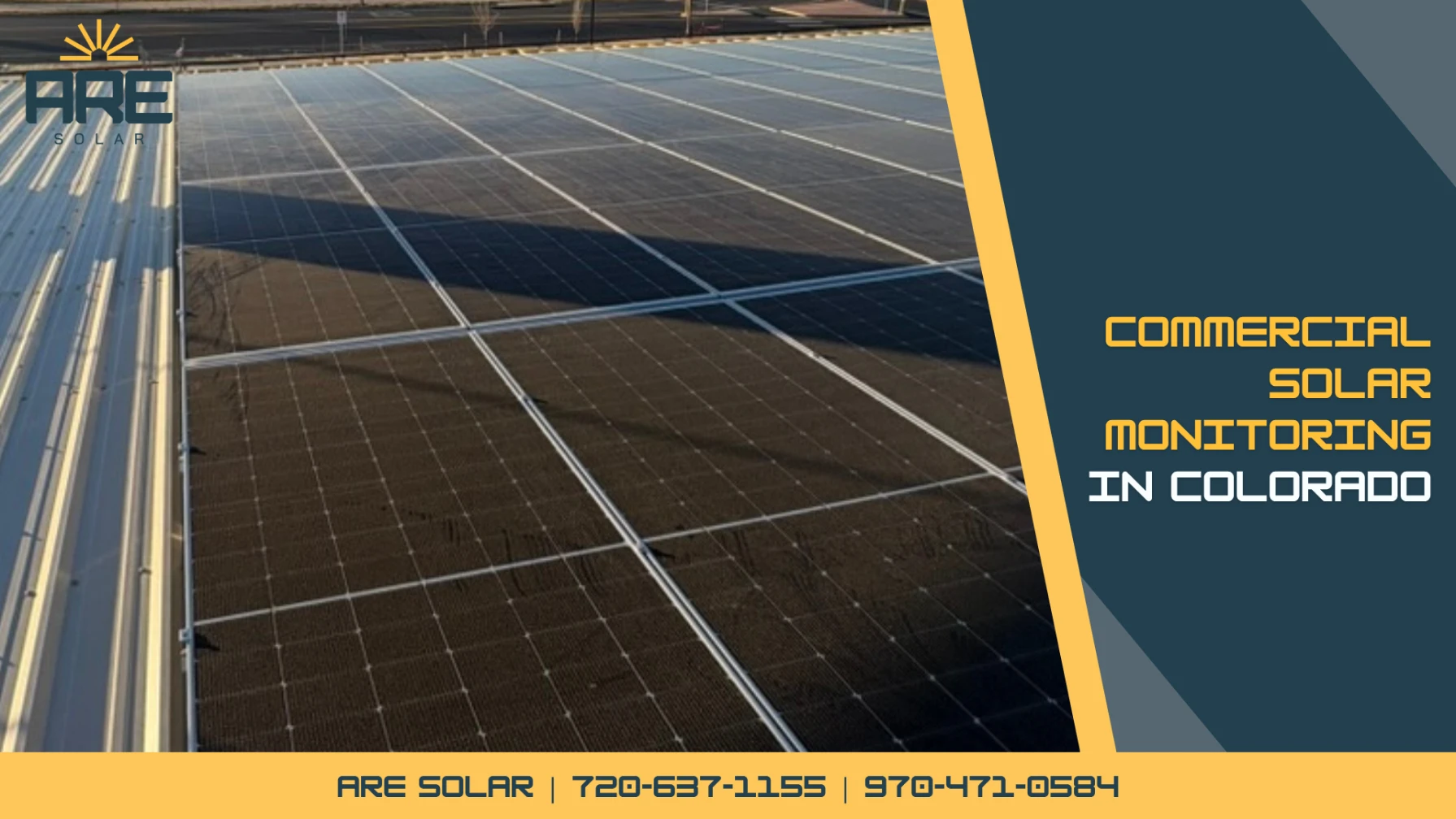
Dust, pollen, bird debris, nearby construction, and other environmental conditions can accumulate on solar modules. How much that matters depends on the site, array angle, weather, and the amount and type of buildup.
That is why commercial solar maintenance should be based on actual system conditions rather than an automatic cleaning schedule.
Monitoring data can help identify changes in production, but lower output does not automatically mean dirty panels. Cloud cover, seasonal irradiance, snow, shading, equipment problems, and utility conditions can produce similar changes.
If soiling is suspected, compare production with expected performance and site conditions. Then determine whether cleaning or troubleshooting is needed.
Snow, Wind, and What to Check After a Front Range Storm
Erie’s Front Range location exposes commercial solar systems to snow, hail, high winds, and rapidly changing weather.
After severe weather, start with information that can be reviewed safely. Check monitoring for production changes, inverter alerts, communication issues, or differences between comparable array sections.
Do not walk a commercial rooftop or open electrical equipment simply to look for storm damage. Snow, ice, wet surfaces, damaged electrical components, and roof edges can create serious hazards.
If monitoring indicates abnormal performance or physical damage, qualified personnel can inspect the system. They can evaluate modules, racking, wiring, conduit, and roof interfaces. A post-storm assessment should consider the entire system rather than module glass alone.
Why Erie’s Sustainability Goals Make Documentation Worth Keeping
Erie earned a SolSmart Bronze designation, the program’s entry-level designation for communities improving solar adoption. Erie also participates in the Colorado Green Business Network. This helps businesses pursue improvements in energy efficiency and other sustainability practices. Erie also operates its own separate Green Business Program, so the programs should not be treated as the same initiative.
Keep your inspection reports and repair records in one place. That documentation matters for warranty claims and insurance, not just certification. A missing service record can slow down both. That’s the documentation trail behind consistent commercial solar maintenance in Erie.
Critter Guards, Conduit, and What Snow Hides
Rooftop and ground-mount systems fail in different ways here. Ground-mount arrays can create sheltered areas where rodents or other animals may nest. A chewed conduit run can cause a ground fault months later.
Rooftop systems face different inspection concerns, including accumulated snow and its effect on racking and roof access. Do not access a snow-covered array simply to perform a visual inspection. Monitor production from a safe location and have qualified personnel evaluate the system.
Racking and fastening inspections should follow the system design, manufacturer requirements, and the property’s operations and maintenance plan.
Erie Code Requirements Can Affect Commercial Solar Repairs
In Erie, solar installations require a building permit. Commercial electrical work is also handled through the Town’s permitting process. The Town’s solar guidance also provides project-specific requirements. This includes wind load, snow load, roof setbacks, and rapid shutdown. Businesses should confirm current requirements with the Building Division before starting permitted solar work.
Simple maintenance, like reviewing monitoring data or cleaning accessible equipment, differs from electrical or structural modifications. Electrical or structural changes can move a project into permitted work. This includes equipment replacement, circuit changes, or panel removal. Erie requires permits for solar installation, panel detach-and-reinstall work, and electrical modifications. For commercial solar maintenance, confirming the permit requirements before work begins can help prevent avoidable delays.
Timing Your Inspection Around Colorado’s Seasons
Maintenance frequency depends on manufacturer recommendations, system age, equipment type, site conditions, warranties, and monitoring data.
For some Erie businesses, spring and fall are useful times to evaluate system condition. These seasons bracket winter weather and warmer storm conditions. A spring review can identify issues that developed or became visible over winter. A fall review can help identify soiling, equipment concerns, or other conditions before another winter begins.
Severe weather can also justify an additional assessment. Investigate after hail, high winds, roof work, electrical work, or persistent equipment alerts. Unexplained production changes also warrant inspection.
Production should also be compared with appropriate expectations. A lower monthly total does not automatically indicate equipment failure because irradiance and weather vary. Persistent differences between expected and actual performance deserve a closer look.
FAQ: Commercial Solar Maintenance in Erie
How often should a commercial system get a solar system inspection?
Inspection frequency depends on the maintenance plan, manufacturer requirements, equipment, site conditions, and performance history. Severe weather, persistent alerts, or unexplained production changes may warrant additional inspections.
Does it matter which utility serves my building?
Yes. Erie businesses may be served by either Xcel Energy or United Power. Each utility maintains its own distributed-generation and interconnection requirements. Confirm the serving utility before system work.
Can dust from nearby well pads really affect production?
Yes. Dust, pollen, bird debris, and other types of soiling can reduce the amount of sunlight reaching a module. The actual effect varies by property and conditions.
What does commercial solar repair typically address in Erie?
There is no single typical repair for every Erie property. Commercial solar service can involve modules, wiring, inverters, communications equipment, racking, roof interfaces, and other system components. The appropriate repair should be based on monitoring data, equipment diagnostics, and inspection rather than assumptions.
Should ground-mount and rooftop systems be inspected the same way?
No. Ground-mounted systems may require additional attention to vegetation, erosion, cabling, drainage, and animal activity. Rooftop systems need a check for racking torque and roof penetration seals instead.
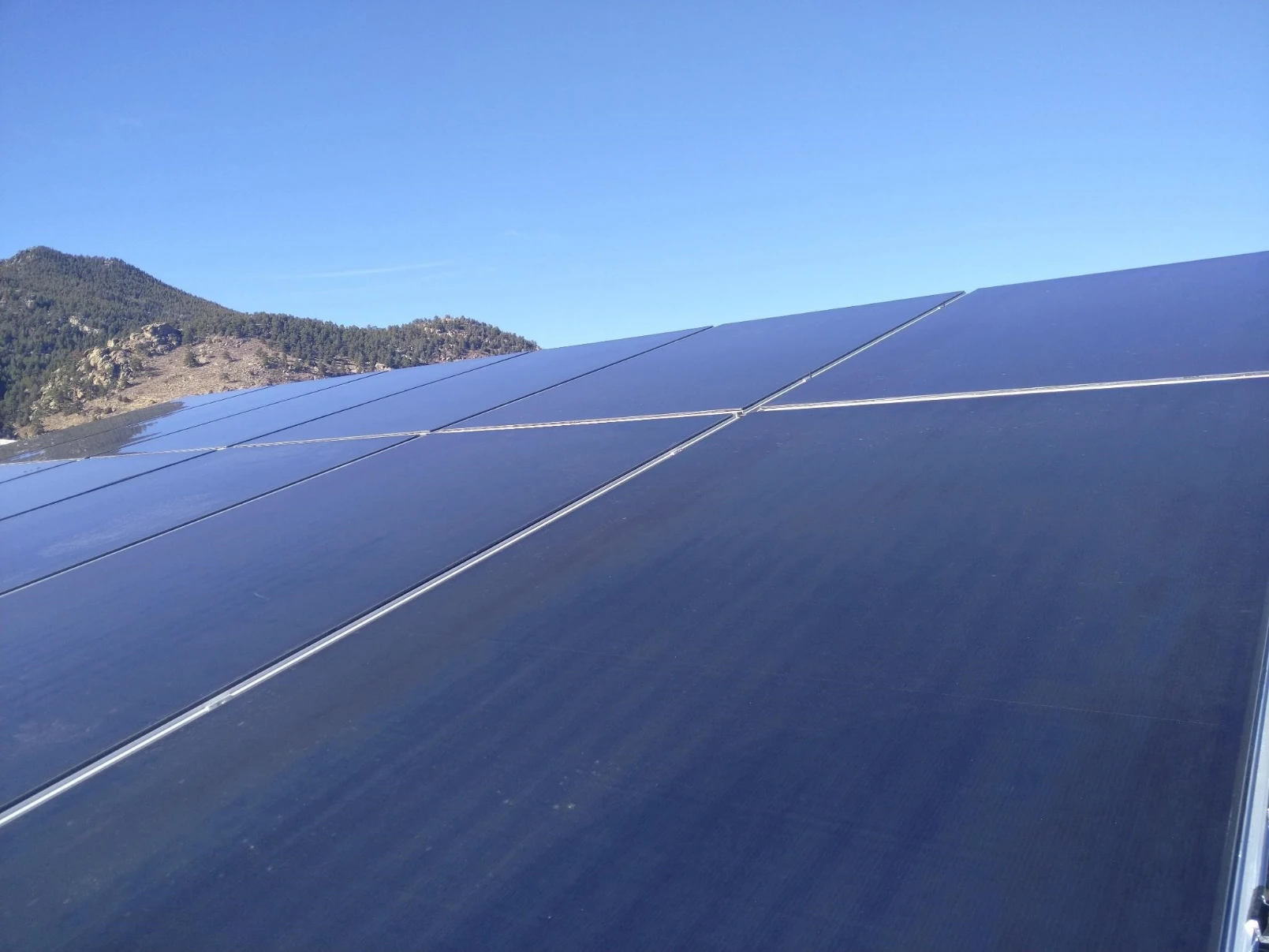
Ready for a Maintenance Check
Not sure when your commercial system was last evaluated, or whether a recent storm, production change, or equipment alert deserves attention?
ARE Solar can review the system in the context of the building, equipment, serving utility, and Colorado conditions. The goal is not to replace equipment that is still doing its job. It is to identify problems early, understand what the system data is showing, and determine the right next step.
Contact ARE Solar to discuss the right commercial solar maintenance approach for your Erie property.