Winter does not turn solar off in Colorado. It changes the conditions around it.
Shorter days reduce production hours. Snow can block sunlight until modules clear. Cold changes how the electrical system behaves.
Winter is a design question. The useful question is not whether panels work in January. They do.
The real question is how much they should produce. Then comes what can interrupt it. That answer starts before the first module reaches the roof.
Cold Panels Can Perform Better Than Hot Panels
Solar modules do not need heat. They need sunlight.
In fact, PV cells generally perform more efficiently at lower operating temperatures. Heat lowers their voltage and efficiency. The U.S. Department of Energy explains that relationship directly.
A clear January afternoon on the Front Range can give modules favorable operating temperatures. But winter still brings fewer daylight hours and a lower sun angle. Those factors reduce seasonal production.
So cold is not the problem. Available sunlight and snow coverage matter more. Good commercial PV design accounts for all three.
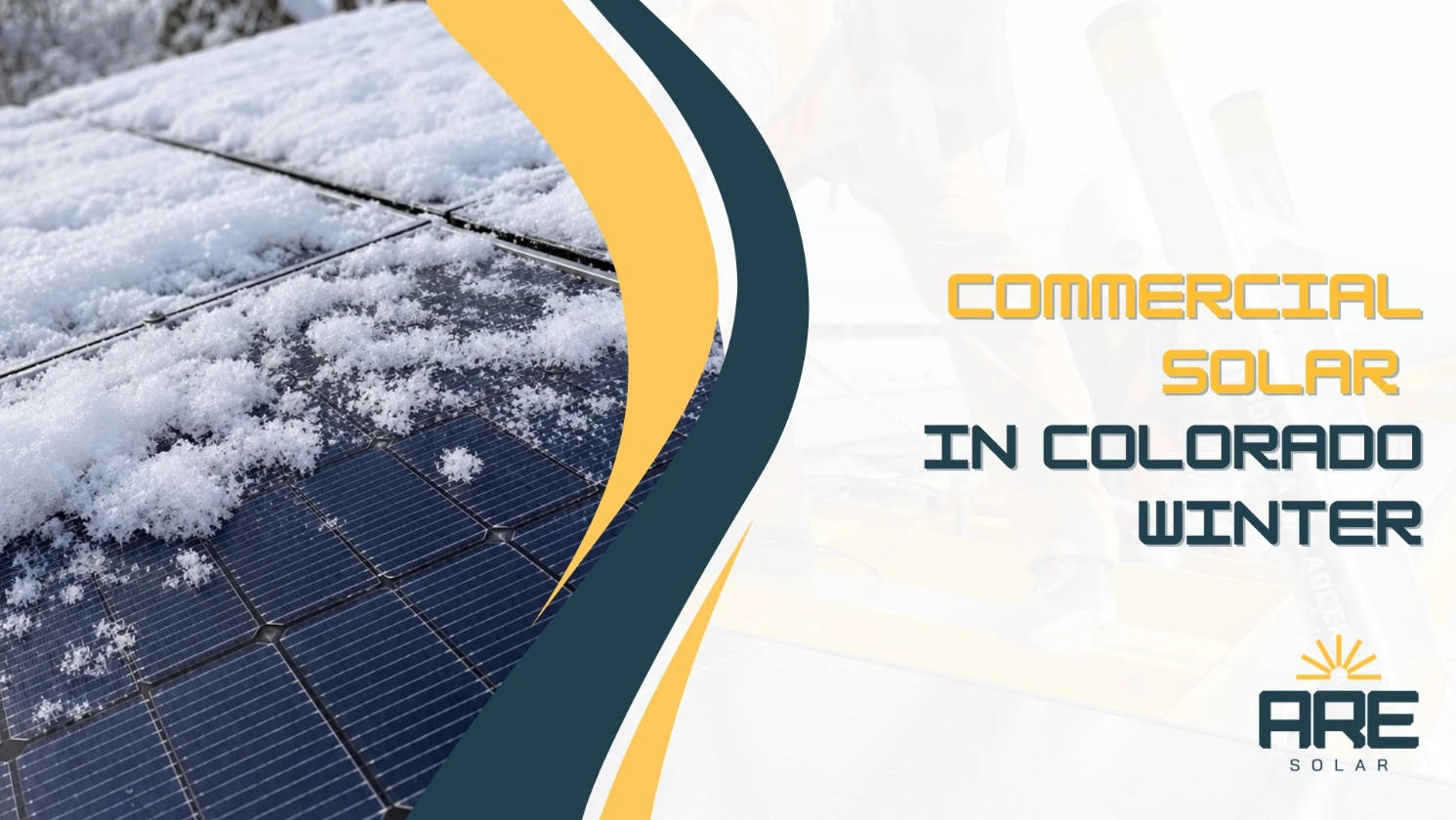
Commercial Solar in Colorado Winter Has a Snow Problem, Not a Cold Problem
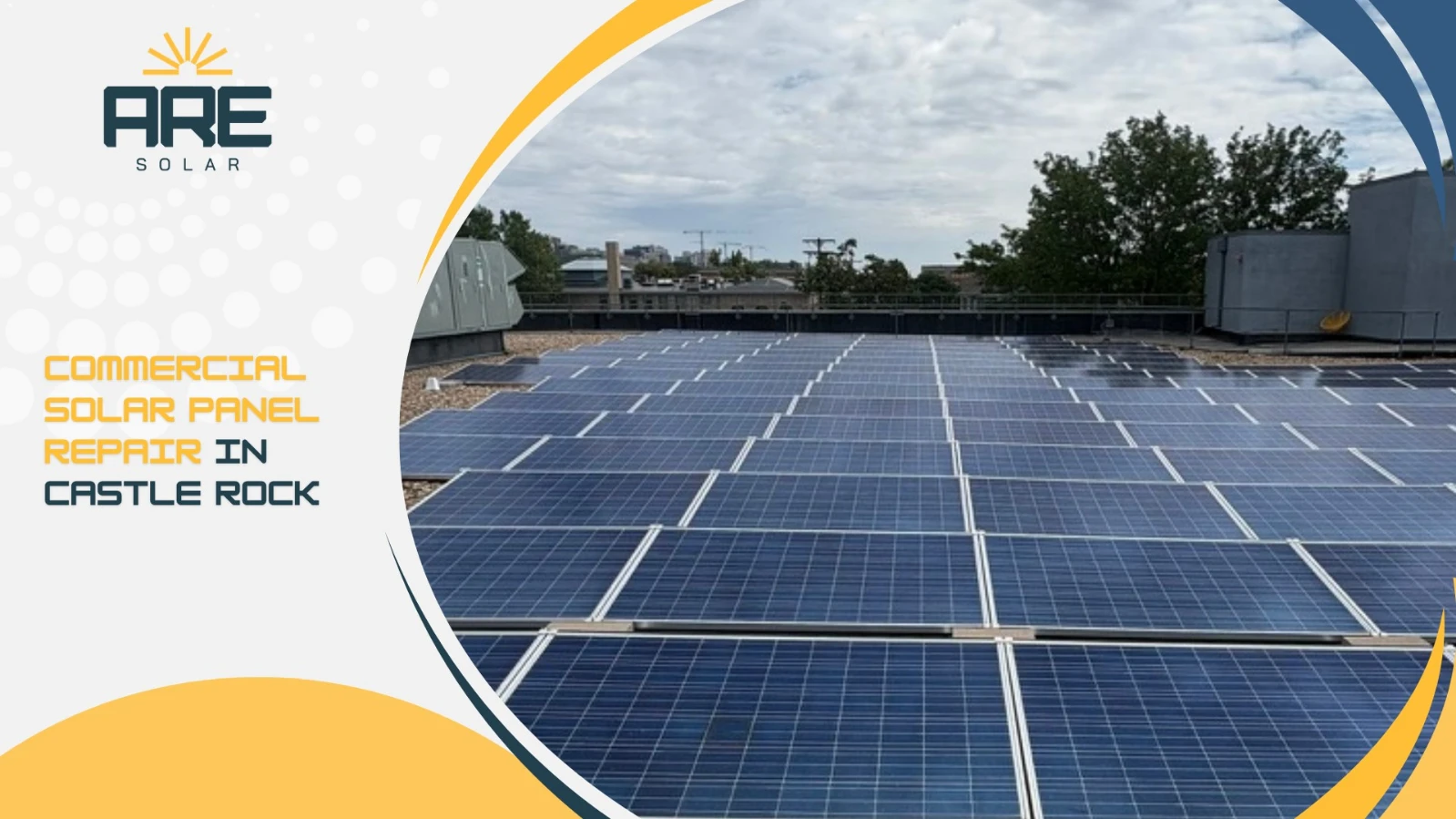
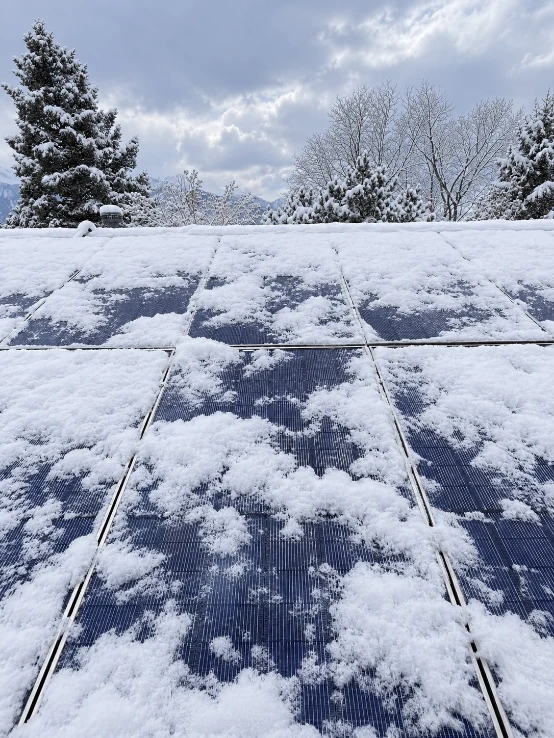
Snow becomes consequential when it covers the cells. Production drops until enough of the array clears. How long that takes depends on the system.
A 2009 study by the National Renewable Energy Laboratory (now the National Laboratory of the Rockies), tracked snow on working arrays in Golden. Three patterns stood out.
The paper notes where snow lingers longest. It names subfreezing temperatures, low tilt, roof-integrated arrays, and drifting near structures.
The team followed one snowfall that began January 26, 2009. Most of the five arrays studied lost one to two days of production. A building-integrated array tilted at 15 degrees lost nearly four.
To be real, that profile describes plenty of commercial roofs. Many commercial arrays use low tilt angles. Parapets and rooftop units change where snow collects. Drifting can bury some rows and leave others clear.
Colorado conditions add weight as well. Front Range jurisdictions publish their own snow criteria. Arvada and Lakewood both list a 30 psf ground snow load, and Lakewood specifies it as non-reducible. Ground snow load is only the starting point. Roof shape, drifting, and parapets change the actual load on each roof section. So site-specific engineering matters.
Tilt Is a Tradeoff, Not a Snow-Shedding Contest
It would be easy to say, “Tilt the panels steeper.” Colorado makes that answer more complicated.
DOE installation guidance says steeper tilts, up to 60 degrees, shed snow and hail better. It also notes they increase wind load on the panels. Tilt affects annual production too, which is why we model it rather than guess.
That matters along the Front Range. It matters even more on exposed commercial sites.
We do not choose tilt from one storm. Our structural engineers weigh snow, wind, roof geometry, equipment placement, and access together. Then we check annual production.
Winter Changes the Electrical Design Too
Cold does more than change module efficiency. It raises voltage.
PV module voltage climbs as temperature falls. The coldest morning of the year sets the electrical limit. The array cannot exceed the inverter’s maximum DC input voltage.
The National Electrical Code handles this in Section 690.7. Designers calculate array voltage at the lowest expected temperature for the site.
Colorado’s State Electrical Board adopted the 2026 NEC effective August 1, 2026. Local jurisdictions adopt on their own timelines, so we confirm which edition applies to each project.
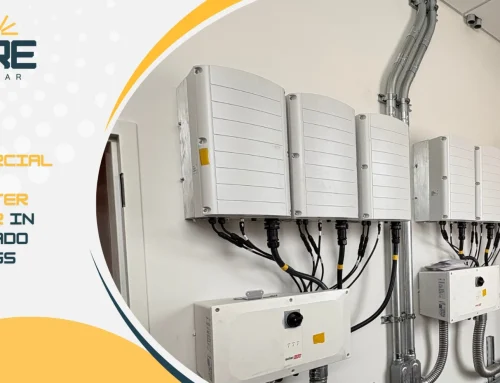
That makes solar inverter sizing a Colorado winter issue. A string that works on a mild day must stay within limits on the coldest one. This is not a theoretical exercise.
Elevation matters too. A system on the plains and one in a mountain town can face different extremes. Each site gets its own numbers.
DC and AC Capacity Should Not Be Identical by Accident
Modules carry a DC rating. Inverters carry an AC output rating. Those numbers are often different on purpose.
The DC-to-AC ratio designers choose shapes how the system behaves all year. A higher ratio puts more module capacity behind each unit of inverter capacity.
Solar inverter sizing has to work across both seasons. We design for the year, not one perfect afternoon.
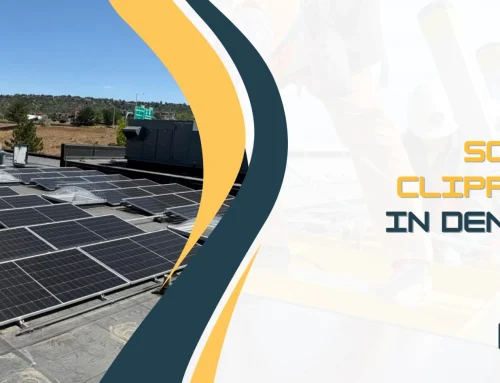
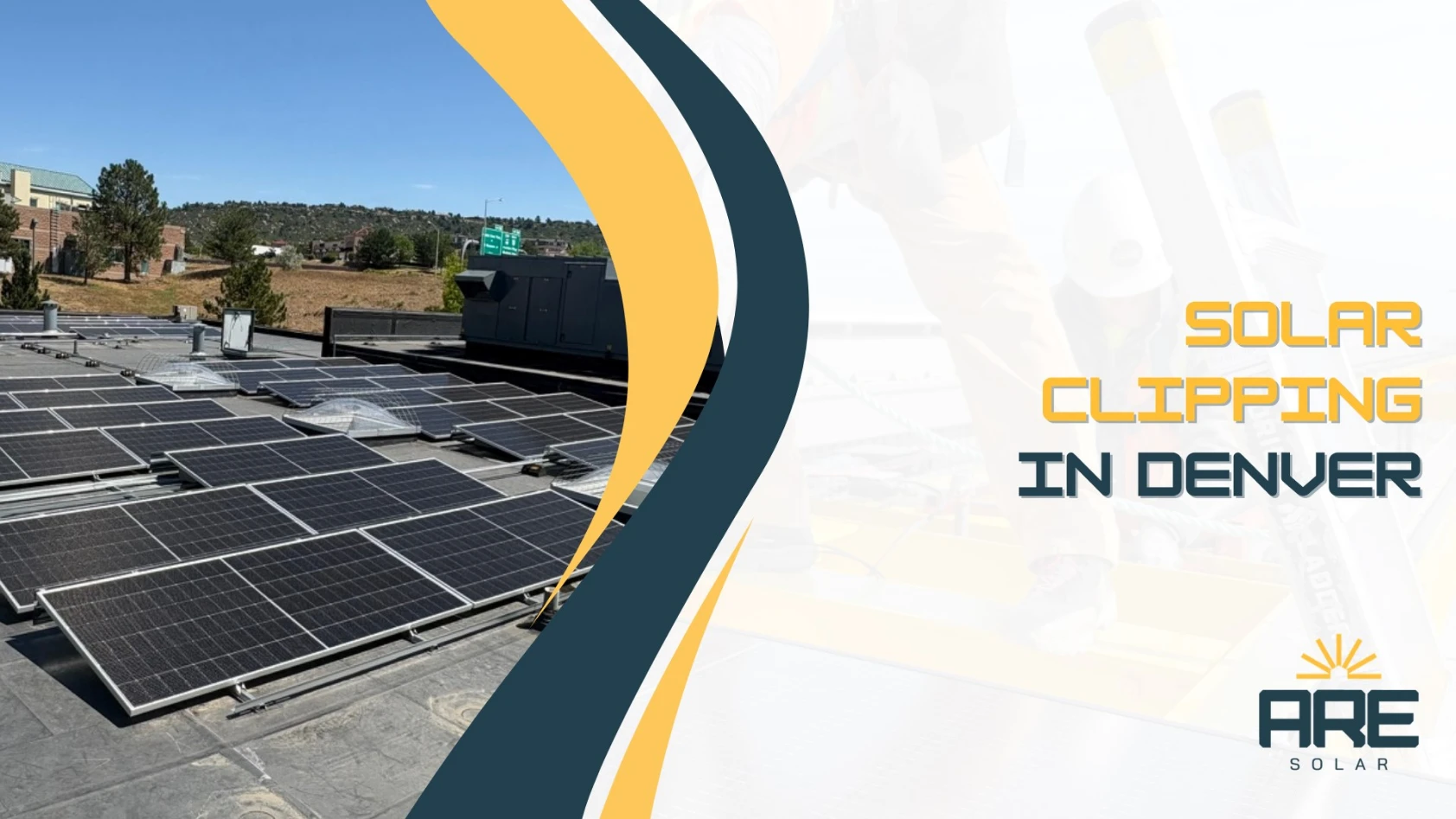
A higher ratio can also cause clipping at summer peaks. Our solar clipping guide [Internal link: What Is Solar Clipping and Should Commercial Property Owners Worry About It?] covers that tradeoff, including NREL’s commercial benchmark.
Snow on the Ground Is Not the Same as Snow on the Modules
Colorado businesses sometimes hear that snow boosts solar production. That needs qualification.
Snow on the modules blocks light from the cells. Snow on the ground can do the opposite. Bright snow reflects extra sunlight. Bifacial modules can capture some of the snow-reflected light from behind.
That gain shows up mostly on ground-mounts and carports. Low-tilt roof arrays see far less of it.
Reflected light does not erase coverage losses. A buried module is still a buried module.
A January Production Drop Is Not Automatically a Failure
Commercial operators should expect seasonal changes. A January graph should not look like June.
The useful comparison is actual production against weather-adjusted expected production. DOE operations guidance recommends tracking two numbers. Performance ratio compares actual output to modeled output. Availability measures how often the system is operating.
Those numbers answer a better question. Is the system producing less because it is January? Or is something actually wrong?
An inverter outage, a communications failure, or a tripped string should not hide behind the word “winter.” Monitoring separates weather from faults. A system that reached PTO should keep reporting all winter.
Winter Maintenance Should Start With Data
Snow removal is not automatically the first move.
Walking onto a snow-covered commercial roof carries real risk. Poor removal methods can also damage modules or wiring.
Start with production data. Check weather conditions and inverter status. Note which sections recovered after the storm.
DOE’s winter guidance notes that most snow melts quickly or blows off. It also flags heavy snow and ice as structural concerns.
If production stays abnormal after conditions improve, investigate. That beats treating every snowfall like an emergency.
Frequently Asked Questions
Do commercial solar panels work below freezing?
Yes. PV cells generally perform efficiently in cold temperatures. Snow coverage and available sunlight are separate issues.
Does snow completely stop commercial solar production?
Heavy coverage can reduce production substantially. Partial coverage can also affect array output. Actual losses depend on duration, depth, tilt, and system layout.
Does Colorado winter affect solar inverter sizing?
Yes. Cold temperatures increase module voltage. Engineers must verify that string voltage stays within inverter limits during expected minimum temperatures.
What is a good DC AC ratio for solar?
There is no universal ratio. The correct value depends on equipment, climate, system economics, orientation, clipping tolerance, and operating goals.
Should businesses remove snow from solar panels?
Not automatically. Roof access and removal methods carry risks. Monitoring should show whether snow losses justify intervention.
Make Winter Part of the Design Before Winter Arrives
We have watched Front Range arrays shed snow since 2009. Five generations of Colorado winters taught us to design for the weather we actually get. Not the weather we hope for.
NABCEP-certified professionals and licensed master electricians check every string against the coldest expected morning. Our structural engineers check the roof against snow and wind.
Then the system gets built, inspected, and turned on. We finish what we start.
If you already have plans, send the array layout and inverter schedule. Add twelve months of production data or utility bills. If you are starting fresh, bring the building and its load data.
We will find the winter constraint before January finds it for you.