Commercial solar for new construction in Arvada should begin with the building’s future electrical life. Panel placement matters, but it is not the central decision. The larger question is what the property must power after opening.
Arvada’s July 1, 2026 code update makes this planning especially timely. New energy provisions affect electric infrastructure, EV readiness, and other future energy technologies. The specific requirements depend on the building and project.
A useful plan connects solar production with HVAC, vehicle charging, tenant demand, storage, and controls. It also defines ownership, metering, critical loads, and commissioning. Those choices affect switchgear, service capacity, communications, leases, and operating costs.
This is where new construction creates leverage. Decisions can enter drawings before equipment gets released. Owners can design solar for commercial buildings around real operations, not an empty roof.
What Should Commercial Solar for New Construction in Arvada Power?
Start with an operating model, not a module count. Identify the building’s expected loads by hour and season. Then test how those loads might change.
An office may add heat pumps and employee charging. A medical building may protect refrigeration, communications, and selected receptacles. Retail tenants can bring cooking equipment or longer operating hours.
Unknown tenants make the work more complicated. They do not make planning impossible. Create several load cases instead of pretending one forecast is certain.
Model opening-day demand, a likely tenant scenario, and a high-electrification scenario. Each case should show peak demand and daily energy use. The comparison reveals which decisions need flexibility now.
Roof capacity becomes one input among several. Service size, transformer assumptions, and switchboard space matter just as much. This wider frame separates an energy asset from rooftop equipment.
Arvada’s New Energy-Ready Requirements Need One Operating Strategy
Arvada’s updated energy code includes EV-ready and electric-ready requirements for commercial buildings. EV infrastructure requirements are tied in part to the number of parking spaces. But “ready” does not mean those systems have already been designed to operate together.
Readiness provisions address future accommodation. They do not decide which loads should operate together. They also do not determine when the building should import, generate, charge, or discharge.
That coordination belongs in the owner’s project requirements. The solar designer, electrical engineer, mechanical engineer, and controls contractor need the same assumptions. Otherwise, each discipline protects its own equipment without optimizing the building.
Spare conduit alone is not an energy strategy. Neither is an unused breaker position. Both are valuable only when their destinations and capacities match future work.
Reserve Capacity Before Switchgear Becomes a Constraint
Commercial switchgear carries decisions that are difficult to revisit. The design should establish the solar interconnection method before release. It should also preserve working clearances, disconnect locations, and metering space.
EV charging and electric HVAC can increase coincident demand. A battery may reduce certain peaks when controls support that purpose. Load management can also stagger equipment without disrupting operations.
The Department of Energy describes grid-interactive efficient buildings as systems that combine energy efficiency, flexible loads, smart controls, and communications. These systems can also integrate resources such as solar, battery storage, and EV charging to manage building energy use.
Owners should decide which loads may shift. Water heating might move outside a peak period. Vehicle charging may slow temporarily. Refrigeration or production equipment may remain untouched.
Those rules belong in design documents and controls sequences. They should not emerge during startup. A vague future allowance can become an undersized pathway or incompatible communications system.
Give Battery Storage a Job Before Giving It Floor Space
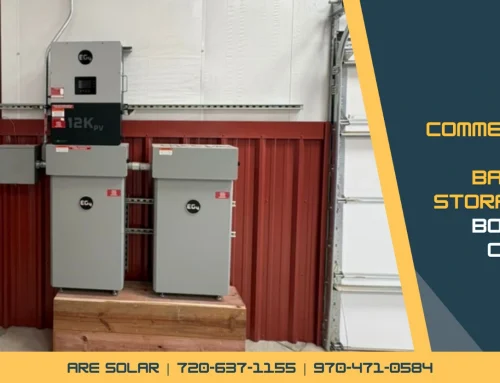
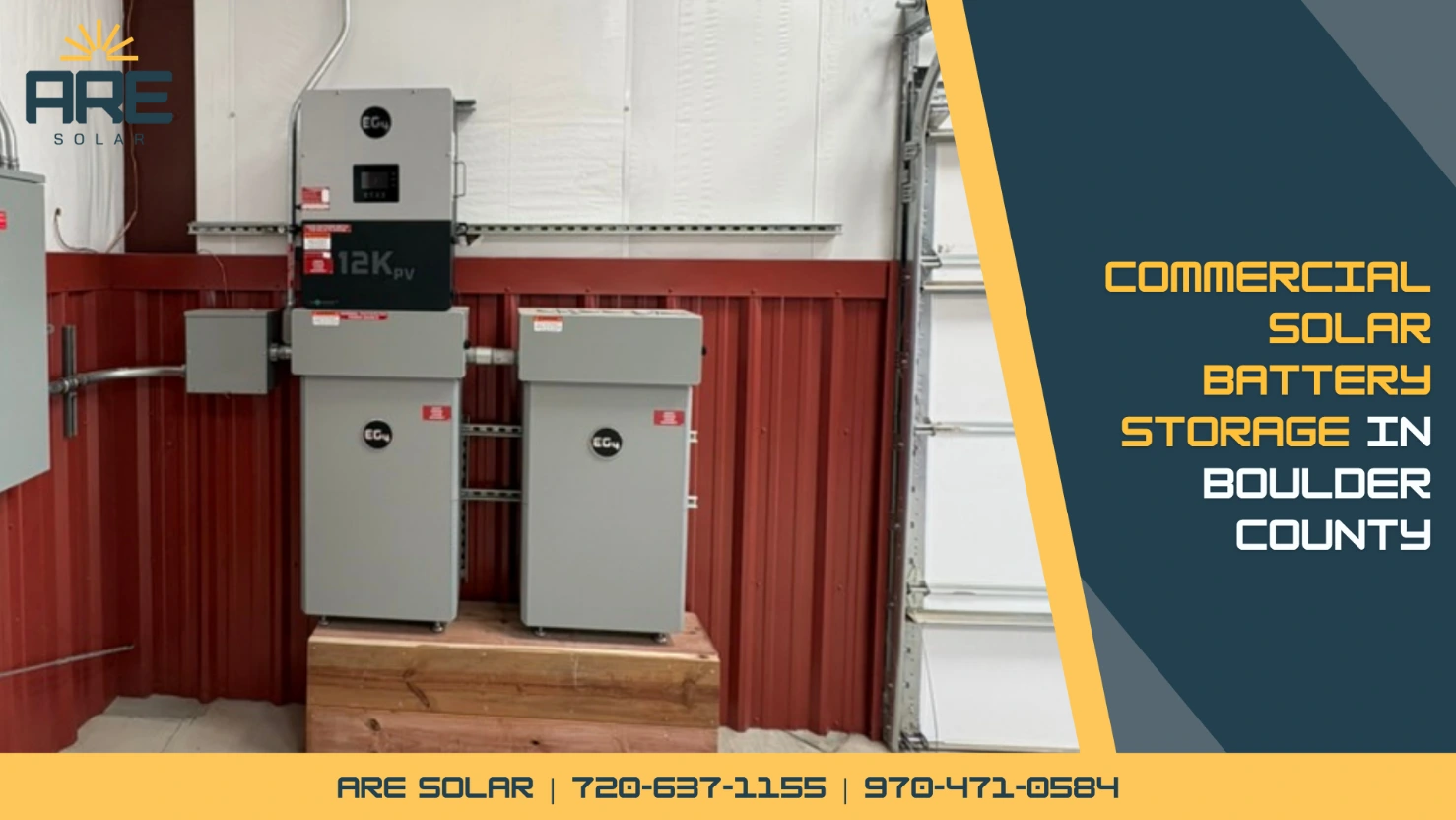
Battery storage should answer a defined operating need. Common purposes include peak-demand management, storing solar energy for later use, and supporting selected loads during outages. Each purpose changes capacity, controls, and electrical architecture.
Backup expectations require the clearest language. A conventional grid-tied solar system generally shuts down when the grid goes down. Continued operation during an outage requires equipment and controls designed to safely isolate the system from the utility grid.
Which loads must remain available? How long must they operate? Can HVAC cycle, or must the entire system remain active?
These answers define the critical-load boundary. They also affect fire review, equipment placement, ventilation, and access. When energy storage is part of the project, its location and details need to be shown in the permit documents.
Early planning protects useful space. A battery room cannot occupy leftover square footage without consequences. Conduit length, fire separation, service access, and environmental conditions all matter.
Decide Who Owns the Energy Before Writing the Lease
New commercial properties often involve several economic parties. A developer may build the property, then sell it. Tenants may pay utility bills while an owner controls the roof.
That arrangement can weaken a good technical design. The project needs clear answers before contracts harden. Who owns the array? Which meter receives production value?
Lease language should address roof access, maintenance windows, equipment ownership, and utility data. It should also define responsibilities after a tenant change. Solar for commercial buildings performs across decades, while leases may change sooner.
Federal incentives also make project timing and ownership important. The Clean Electricity Investment Credit under Section 48E remains relevant to qualifying commercial solar projects. Federal law now includes specific construction-start and placed-in-service rules for solar. Projects beginning construction after July 4, 2026 generally face a December 31, 2027 placed-in-service deadline under the current termination provisions.
Eligibility, credit value, labor requirements, ownership structure, and other tax considerations vary by project. Owners should confirm current treatment with a qualified tax professional before relying on an incentive in the financial model.
Technical design and tax advice are different disciplines. Their timelines still need coordination. A system cannot support the intended owner if contracts assign the asset elsewhere.
Plan for Integrated Commissioning, Not Just Solar Startup
PTO confirms utility authorization. It does not prove every building control follows the intended sequence. When multiple energy systems are being integrated, the project team should establish a separate commissioning and operational acceptance plan.
Monitoring should show solar production, building demand, storage behavior, and major controllable loads. Network access and data ownership should be assigned. Alarm routing needs a responsible person.
The team should test charging limits and battery modes. It should verify meter orientation and control responses. Critical-load testing should match the written outage plan.
ARE Solar coordinates NABCEP-certified professionals, licensed master electricians, and structural engineers. Qualified professionals turn design assumptions into code-compliant plans. Commissioning then verifies that installed equipment and controls operate according to the intended sequence.
Five generations in Colorado taught us where drawings meet construction. We finish what we start. That means inspection, PTO, monitoring, and a system the building can operate.
Frequently Asked Questions
Does solar-ready mean a commercial array is already designed?
No. Solar-ready provisions preserve pathways and suitable areas for future work. Operating solar still requires project-specific engineering, permitting, interconnection, equipment, inspections, and PTO.
Can EV charging and solar share the same electrical plan?
They should. Both affect service capacity, switchgear, controls, and future demand. Coordinated design can define charging priorities and preserve expansion paths.
Does a solar array keep a commercial building operating during an outage?
A conventional grid-tied solar system generally shuts down during a utility outage. Keeping selected building loads operating requires an appropriately designed backup architecture. It may include compatible storage, isolation equipment, controls, and a defined critical-load plan.
Put the Building’s Next Decade Into Today’s Drawings
Commercial solar for new construction in Arvada should support more than opening day. It should anticipate new tenants, electric equipment, vehicles, storage, and changing operating schedules.
Send ARE Solar the schematic set and preliminary electrical load information. Include tenant assumptions and any continuity requirements. We will identify decisions that need solar input before procurement.
Build the energy plan while every pathway remains open. Contact ARE Solar to schedule a preconstruction energy review for solar for commercial buildings.