Solar clipping in Denver is not automatically a sign of poor design. It happens when an array produces more DC power than its inverter can convert. The inverter holds AC output at its rated limit, and the production curve goes flat on top. That flat top is called clipping.
For commercial systems, some clipping is intentional. Designers often size DC capacity above the inverter’s AC rating. That keeps the inverter busier through mornings, afternoons, and cloudy hours.
The National Laboratory of the Rockies (formerly the National Renewable Energy Laboratory, or NREL) calls this relationship the inverter loading ratio. Most people call it the DC-to-AC ratio.
To be real, clipping itself is rarely the question. The question is whether the losses match the design assumptions. Commercial owners should judge clipping against modeled expectations, not dashboard screenshots.
What Actually Happens When a Solar Inverter Clips?
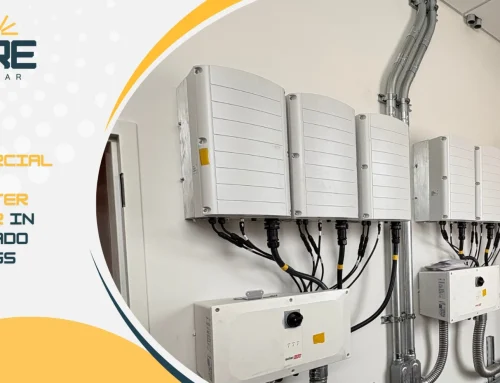
Solar modules produce direct current. The inverter converts it into grid-compatible alternating current.
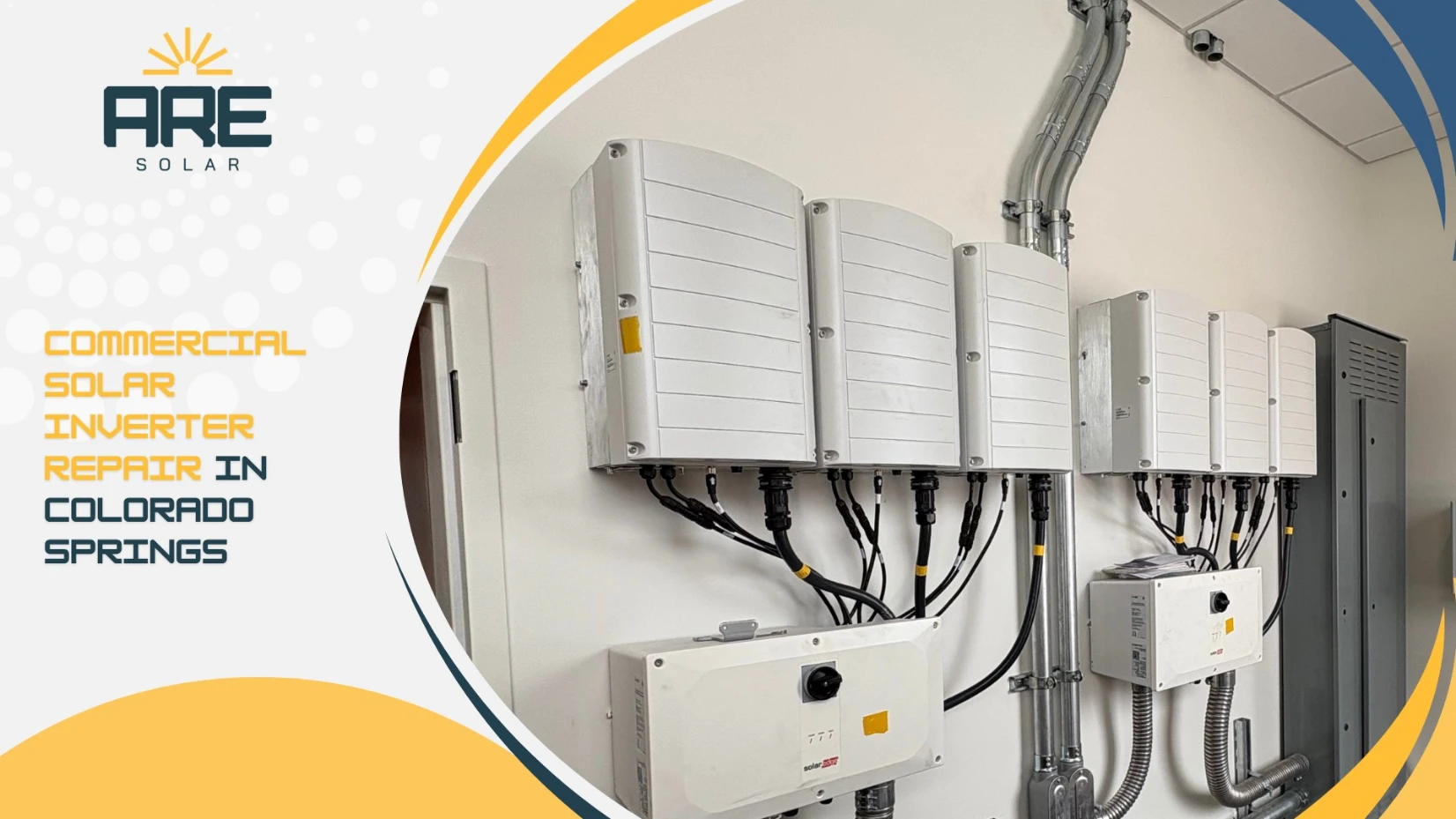
Every inverter has a maximum AC output rating. Once output reaches that rating, the inverter limits AC production to its rated capacity.
NREL’s PVWatts manual states the rule plainly. When predicted AC output exceeds the nameplate rating, output is clipped to that value.
That ceiling creates the flat section on production graphs. How long it lasts depends on design, weather, orientation, temperature, and sunlight.
This is a conversion limit, not an equipment failure. A clipped system may still be doing exactly what it was designed to do.
Why Designers Sometimes Allow Commercial Solar Clipping
Commercial arrays rarely produce at nameplate DC capacity. Sun angle changes all day. Heat, clouds, shading, soiling, and wiring losses pull output down further.
A larger DC array allows the inverter to operate closer to its useful capacity through more of the day.
The design may accept some clipping during peak conditions in exchange for greater overall energy production and inverter utilization.
NREL’s Annual Technology Baseline models its reference commercial system at a 1.23 DC-to-AC ratio. That is a modeling assumption, not a rule.
Commercial solar clipping therefore needs context. Zero clipping is not automatically the engineering goal.
A bigger inverter is not always better, either. An inverter that is too large for the array may operate more often at lower loads. Depending on its efficiency curve, this can reduce conversion efficiency.
Orientation matters too. East-west roofs spread production across more daylight hours than south-facing arrays. They clip differently as a result.
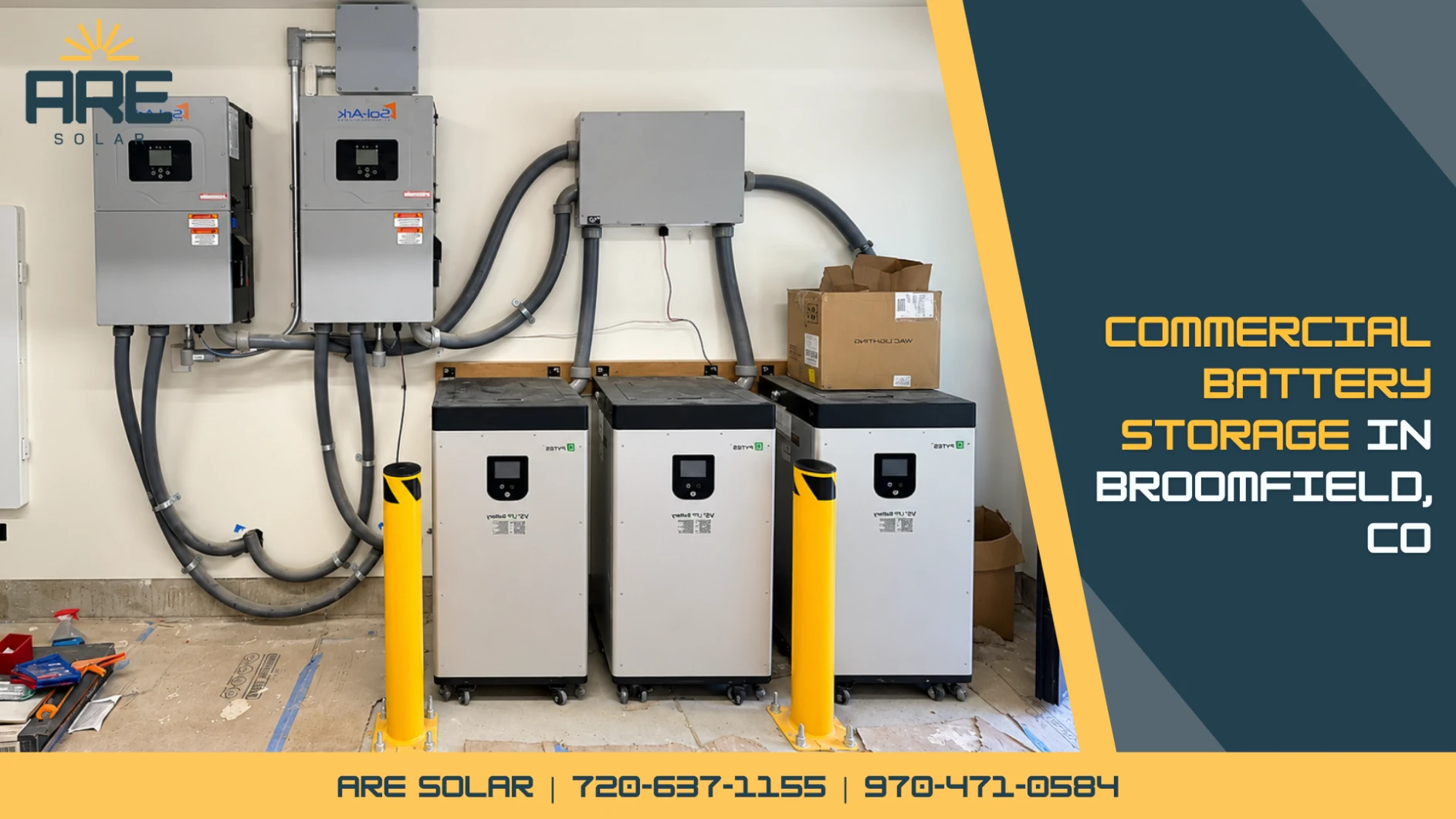
Battery architecture can change the math again. In DC-coupled systems, NREL notes that clipped solar can be sent to the battery instead. It still has to be designed intentionally.
Why Denver Can Make Clipping More Visible
Denver brings a physical variable into the conversation: temperature.
Solar cells generally work best at low temperatures. The Department of Energy explains that rising heat lowers cell voltage.
Denver often pairs bright sunlight with cool air. Those Colorado conditions can push DC output toward the inverter ceiling. Snow, meanwhile, cuts production while modules stay covered.
Our winter performance guide [Internal link: How Commercial Solar Panels Perform During Colorado’s Winter Months] covers how cold changes voltage and string design.
That combination makes local modeling consequential. PVWatts models production hour by hour, across all 8,760 hours of a typical year. It uses local sunlight, temperature, and wind data. Annual totals can still hide the hours when clipping occurs.
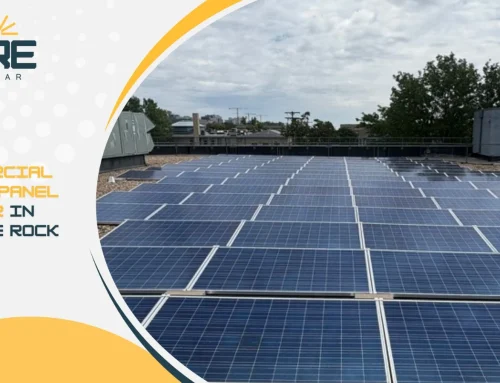
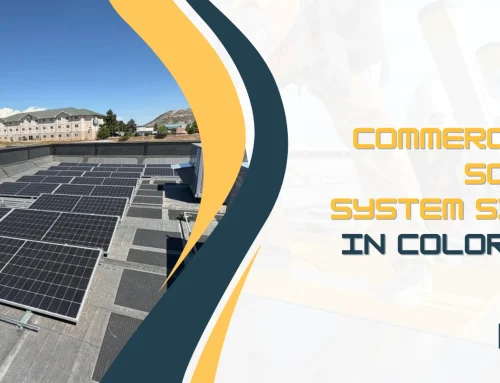
Commercial roofs here add their own variables. Parapets, drains, mechanical equipment, and usable roof zones shape array geometry. They also influence stringing, orientation, and inverter loading.
Denver’s solar permit application asks for a complete one-line diagram, supporting calculations, and equipment data sheets. Sizing should be intentional from the first drawing.
When Should Solar Clipping in Denver Concern an Owner?
A few flat midday peaks do not prove anything is wrong.
Concern starts when actual behavior differs materially from the performance model. Start with the modeled clipping assumption. Then compare it against measured output under similar conditions.
Look for patterns rather than one unusually clear afternoon.
A new, lower production ceiling deserves attention. So does clipping that grows after an equipment change. Added modules can shift the original DC-to-AC relationship. Replacement modules or inverters may not match the original electrical design.
Monitoring data separates these situations. Production curves show when power hits its ceiling. Inverter logs expose limits, faults, operating states, and temperature behavior.
The pattern matters more than the clipping itself.
Clipping Is Not the Same as Curtailment
These terms are often used interchangeably. They describe different limits.
Clipping occurs when output reaches the inverter’s conversion ceiling. Curtailment intentionally lowers production because another constraint requires it.
That constraint might be an export limit, a site control, or a battery setting. Utility interconnection terms can shape export limits, too.
The difference matters during troubleshooting. A larger inverter will not correct an export restriction. Changing an export setting will not correct poor inverter sizing.
First identify what is actually limiting power.
How Should Owners Evaluate Solar System Performance?
Do not begin with one monthly production total. Start with interval data and the original design model.
Compare expected AC output against actual output. Review the modeled DC-to-AC ratio. Confirm installed module and inverter capacities still match project records.
Then check when the flat periods occur. Short midday plateaus may match the design. Repeated plateaus across broader conditions deserve a closer look.
Weather belongs in that analysis. DOE operations guidance compares actual production with a model built on measured sunlight and temperature. That comparison is called the performance ratio.
A federal GSA O&M template defines normal operation. That means staying within 80% of the weather-corrected performance ratio. DOE’s FEMP program reports that an 85% performance ratio and 95% availability should be achievable. Those benchmarks give owners something real to measure against.
What Should a Denver Facility Manager Ask?
Ask for the modeled clipping loss, not only annual production.
Request both DC and AC nameplate capacities. Ask which weather data supported the forecast. Confirm whether future array expansion was considered during inverter sizing.
Ask how monitoring will reveal unexpected clipping. Performance changes should show up before the annual review.
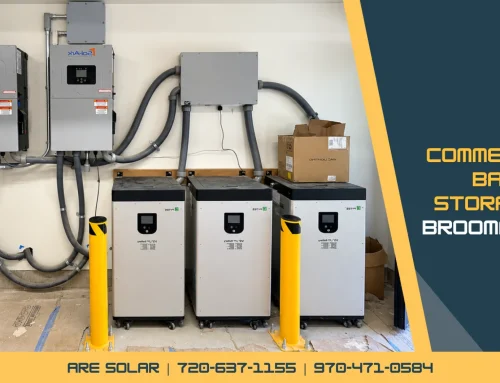
Ask about storage separately. Battery architecture can change power flows. It is not a universal clipping fix.
Those questions turn commercial solar clipping into something measurable.
FAQs About Solar Clipping
Is clipping bad for a solar inverter?
Clipping alone does not indicate inverter damage. That holds as long as the array stays within the manufacturer’s DC input limits. Unexpected or excessive losses deserve further investigation.
How much clipping is acceptable?
There is no universal percentage for every commercial building. The appropriate amount depends on weather, orientation, equipment, and DC-to-AC sizing.
The design model should establish that expectation.
Can batteries capture clipped solar production?
Some DC-coupled battery systems can capture otherwise limited energy. The benefit depends on system architecture and controls. It needs to be modeled before installation.
Does clipping mean my system is underperforming?
Not necessarily. Intentional clipping can coexist with strong annual solar system performance. Unexpected clipping requires comparison with the original model and current data.
Know What That Flat Production Curve Actually Means
Solar clipping in Denver deserves measurement, not guesswork. A flat peak can reflect intentional engineering. It can also reveal a system that no longer matches its design.
ARE Solar can review your array, inverter limits, monitoring data, and original assumptions. We trace where the ceiling begins. Then we determine whether it belongs there.
Seeing a suspicious flat line on your commercial solar dashboard? Send ARE Solar the production graph. Bring the original model too, if you have it. We will help you find out what your system is actually doing.
This is accurate. One useful addition for commercial owners: intentional oversizing is only safe within the inverter manufacturer’s published DC input limits. Clipping itself is normal, but a DC array that exceeds the inverter’s specified maximum DC input is a different problem and can affect the warranty.
Suggested addition: “That holds as long as the array stays within the manufacturer’s DC input limits.”