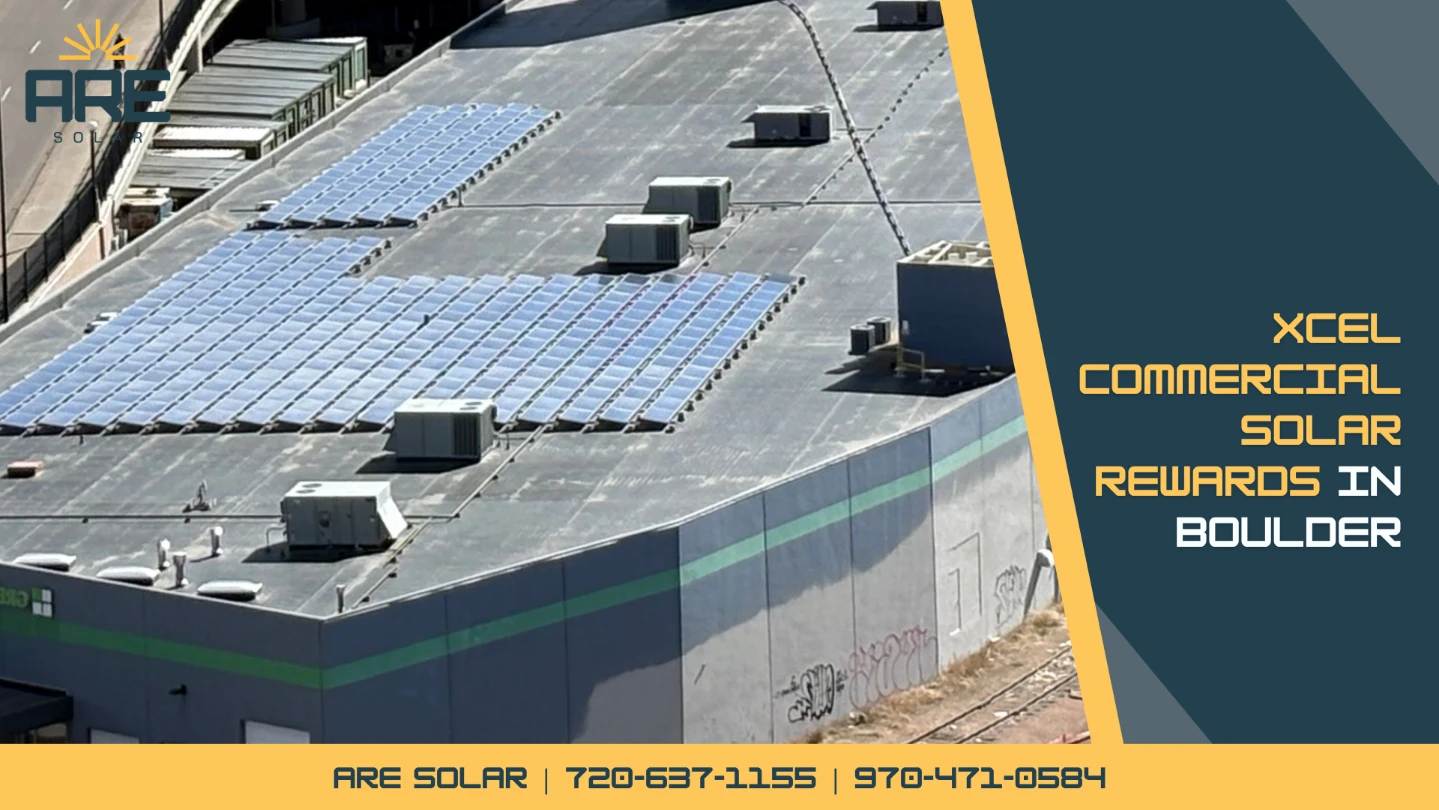
Flat roofs change how solar is designed in commercial environments. They remove slope constraints that normally dictate panel placement. That alone reshapes performance outcomes over decades.
For commercial rooftop solar in Denver, roof geometry is not a background detail. It determines engineering choices, permitting pathways, and production stability across seasons. ARE Solar has seen flat roof systems consistently offer more predictable design control in Colorado conditions.
This is not about convenience. It is about structural logic and long-term energy yield. Flat roofs allow solar to behave the way engineers intend, not the way architecture limits.
Structural Advantage of Flat Roof Systems
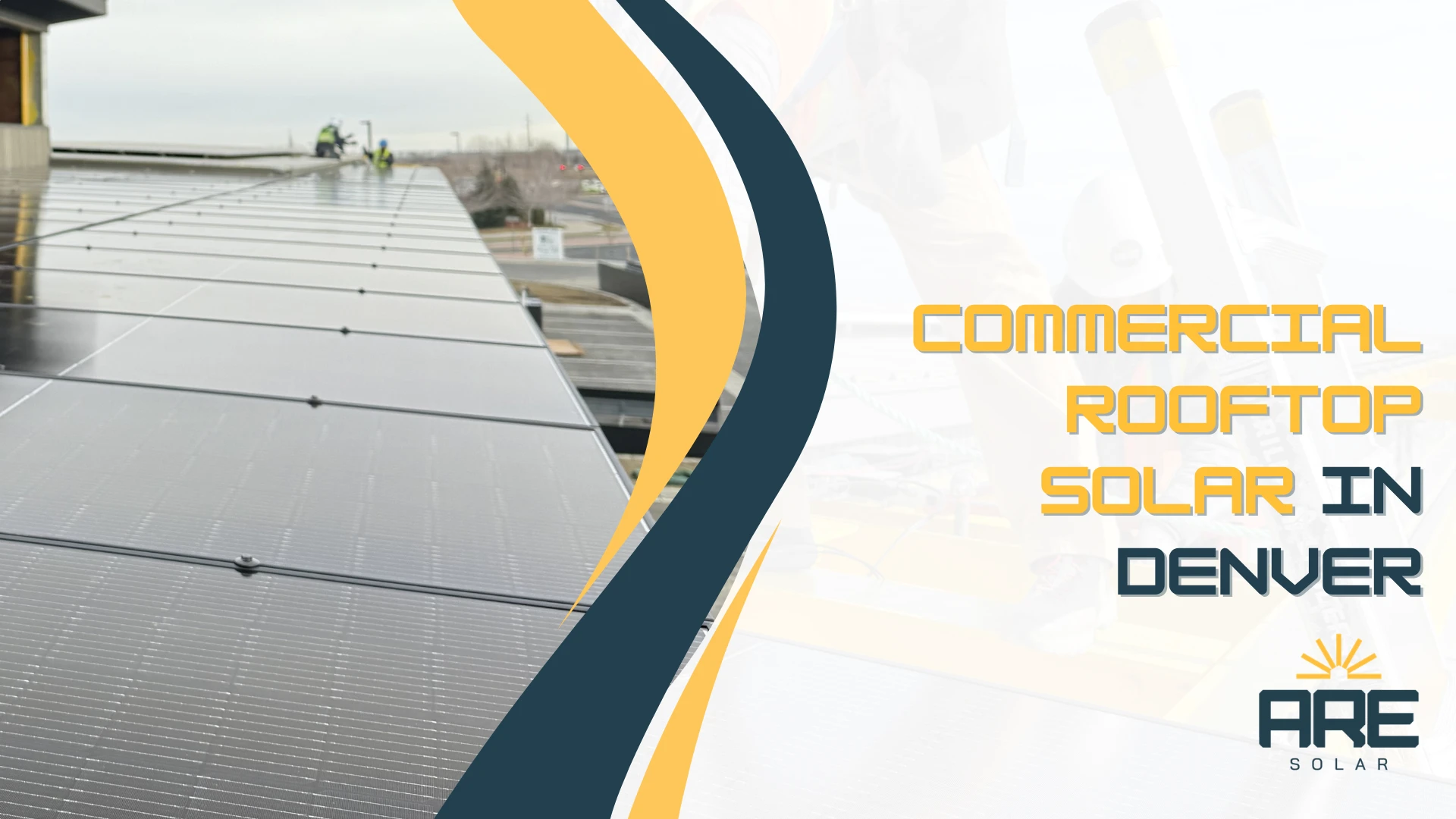
Flat roofs give engineers usable space instead of fixed angles. That difference changes how systems are designed from the start.
Panels can be oriented independently of roof direction. That allows arrays to track optimal sun exposure across the year. It also reduces compromises caused by roof pitch or dormers.
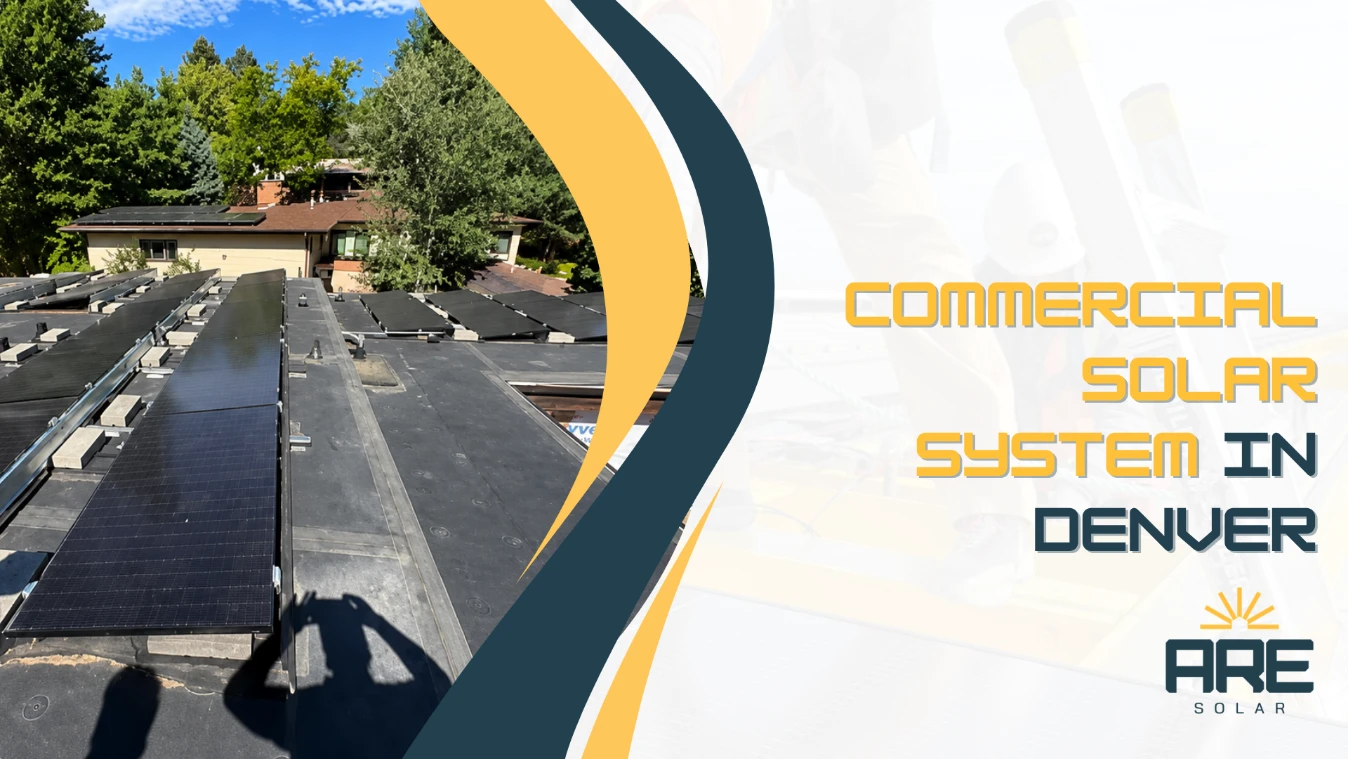
Ballasted racking systems are common on commercial flat roofs. They avoid unnecessary roof penetrations when properly engineered. The U.S. Department of Energy highlights that racking design plays a major role in system longevity and wind performance in exposed regions like Colorado.
https://www.energy.gov/eere/solar/solar-photovoltaic-technology-basics
ARE Solar often treats flat roofs like modular grids. That mindset allows systems to scale cleanly across large commercial footprints. It also reduces friction between roofing integrity and electrical layout.
Future expansion is simpler on flat roofs. Additional rows can often be integrated without redesigning the full system. That matters for growing facilities with evolving load demands.
Commercial Rooftop Solar in Denver: Why Flat Roofs Dominate Local Commercial Design
Flat roofs are common across Denver commercial buildings for a reason. They support HVAC-heavy structures, warehouses, and large retail footprints.
That same geometry supports solar deployment at scale. Wide, open roof planes reduce shading conflicts and simplify layout planning.
In commercial rooftop solar in Denver, snow load and wind exposure are constant design inputs. Flat roofs allow engineers to distribute racking loads evenly across structural members. That reduces stress concentration points and improves long-term durability.
Tilted mounting systems are often added to improve solar exposure. These systems help increase winter production when sun angles drop. They also help snow shed faster, reducing temporary production loss.
ARE Solar approaches these designs with structural engineers involved early. That coordination ensures systems align with Colorado building codes before installation begins. It also reduces redesign cycles during permitting.
Flat roofs also simplify service access. Technicians can move across arrays safely and efficiently. That improves inspection quality and long-term system reliability.
Electrical Layout Efficiency and System Optimization
Solar output is not only about panel efficiency. It depends heavily on layout design and spacing strategy.
Flat roofs allow precise row spacing. That reduces self-shading between panel rows. It also improves morning and afternoon production consistency.
According to the National Renewable Energy Laboratory, system design factors like tilt and spacing significantly influence annual photovoltaic output.
https://www.nrel.gov/docs/fy23osti/84351.pdf
This is where flat roof solar panels show measurable advantage. They can be angled to match regional sun paths instead of fixed roof geometry. That flexibility improves seasonal energy capture.
Urban commercial sites also face external shading from nearby buildings. Flat roof systems allow engineers to elevate arrays above minor obstructions. That reduces energy loss without structural redesign.
ARE Solar has seen layout adjustments outperform equipment upgrades in some cases. The hardware stayed the same. The geometry changed the outcome.
Durability, Weather Loads, and Colorado Conditions
Colorado weather is not gentle on structures. Snow load, hail, and wind uplift all matter.
Flat roofs handle solar loads through distributed systems. Ballasted designs spread weight across wide surface areas. Mechanically attached systems add reinforcement where needed.
For flat roof solar panels, roof membrane protection is critical. Improper mounting can shorten roof lifespan. Proper engineering preserves both roof warranty and system performance.
Snow accumulation is also a design factor. Tilted arrays help reduce buildup and maintain production during winter cycles. Engineers model these conditions during system sizing.
ARE Solar evaluates roof condition before any solar design begins. That step prevents systems from being installed on compromised membranes. It also ensures long-term structural compatibility.
The goal is simple. The roof and system should age together without conflict.
Installation Workflow and Long-Term Maintenance
Flat roofs improve construction workflow in measurable ways. Material staging is easier. Equipment movement is more controlled.
That does not make the work simple. It makes it structured.
Conduit runs can be routed cleanly across flat surfaces. That reduces exposure to UV degradation and physical damage. It also improves long-term troubleshooting access.
Maintenance becomes more predictable over time. Technicians can inspect rows without specialized climbing equipment in many cases. That improves system uptime and reduces service disruption.
The EPA notes that properly maintained solar systems retain higher efficiency over time.
https://www.epa.gov/greenpower/solar-power
ARE Solar has repaired systems where underperformance came from neglected wiring or blocked access paths. Flat roofs reduce those risks when designed correctly from the start.
Why Flat Roofs Set the Standard for Commercial Solar
Flat roofs do not simplify solar. They remove structural friction that limits performance.
That matters in commercial environments where energy demand is constant and long-term planning drives financial decisions. Flat roofs allow systems to scale, adapt, and maintain output with fewer constraints.
For commercial rooftop solar in Denver, this roof type often provides the most controlled environment for predictable energy production. Not because it is easier. Because it is more engineerable.
ARE Solar builds with that mindset. Every system is designed to reach PTO and stay there. No gaps in execution. No unfinished systems left behind.
That is what flat roofs make possible when the work is done correctly.
FAQ
1. Why are flat roofs ideal for commercial solar systems?
Flat roofs allow flexible panel placement and spacing. This improves energy production and reduces shading issues. They also make system expansion easier for growing commercial facilities over time.
2. Do flat roof solar systems require roof penetration?
Not always. Many systems use ballasted racking that avoids roof penetrations. When attachments are required, they are engineered to preserve membrane integrity and meet structural code requirements.
3. How do flat roofs perform in snowy climates like Colorado?
Flat roofs handle snow through distributed loads and tilted racking systems. Proper design helps snow slide off faster and reduces prolonged shading. Engineering calculations account for local snow load requirements.
4. Are flat roof systems more expensive to maintain?
Maintenance is often more accessible rather than more expensive. Easier roof access improves inspection speed and safety. Over time, this can reduce downtime and support better system performance.
5. What determines if a flat roof is suitable for solar?
Structural capacity, roof age, and membrane condition are key factors. Engineers also evaluate shading, wind exposure, and electrical interconnection pathways before final system design begins.
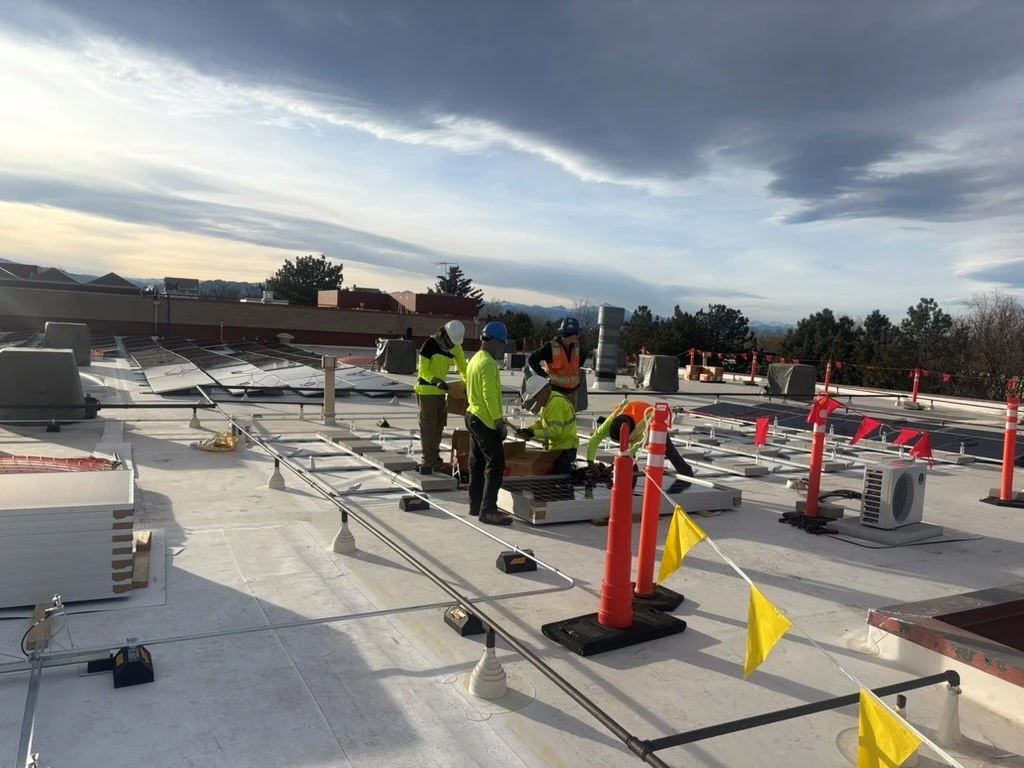
When Flat Roof Geometry Becomes Energy Strategy
Flat roofs are not passive surfaces. They are design environments.
For property owners evaluating commercial rooftop solar in Denver, they often become the most predictable foundation for long-term system performance.
ARE Solar treats that surface like infrastructure. Not a platform for panels. A structure that carries decades of output. That is where design stops being theory and starts being power.