Commercial energy use in Arvada is tightening under rising utility pressure. Electricity demand continues to climb across Colorado’s Front Range. That shift is reshaping how property owners evaluate long-term operating costs.
Solar is no longer positioned as an upgrade discussion. It is becoming part of core infrastructure planning for commercial real estate. That is where commercial solar installation in Arvada starts to define real operational value for building owners.
ARE Solar approaches this work through engineering first, not sales framing. Every site begins with load data and structural review. The goal is clarity before design decisions begin.
Industrial Warehouses and Logistics Facilities
Warehouses carry predictable load profiles across long operating hours. Lighting, conveyors, and climate control often run during daylight hours. That overlap aligns naturally with solar production cycles. It improves system utilization without behavioral change from tenants.
Roof size is a major advantage in these buildings. Large uninterrupted surface areas support scalable system design.
Snow load requirements in Colorado shape structural decisions early. These conditions are not optional considerations.
ARE Solar has seen warehouse owners prioritize energy stability over utility exposure. The shift is gradual but consistent. This is where commercial solar installation in Arvada often scales fastest in early adoption markets.
Multi-Tenant Office Buildings and Professional Spaces
Office buildings operate on variable occupancy schedules. Energy demand rises during standard business hours.
That creates partial alignment with solar generation curves. It requires careful system sizing.
Electrical distribution becomes more complex with tenant turnover. Load balancing matters across multiple suites.
Many owners consult commercial solar installers during lease restructuring cycles. That timing allows energy strategy to align with tenancy planning.
ARE Solar evaluates shading, roof segmentation, and panel placement at a granular level. These systems rely on precision more than scale alone.
Retail Centers and Strip Commercial Properties
Retail centers are strong commercial solar candidates because customer activity and HVAC demand peak during daylight hours.
That alignment increases direct solar utilization. It reduces reliance on grid energy during peak billing windows.
Roof access and membrane condition often determine system layout. Older buildings require structural assessment before design begins.
Local permitting in Jefferson County adds coordination requirements. Utility interconnection runs in parallel with design approval.
ARE Solar has worked on retail sites where phased installation made sense. Energy systems followed roof replacement cycles.
According to the National Renewable Energy Laboratory, distributed commercial solar continues expanding across retail segments nationwide.
https://www.nrel.gov/solar/
This is where commercial solar installation in Arvada becomes part of broader asset planning.
Self-Storage Facilities and Low-Occupancy Buildings
Self-storage facilities maintain low and consistent energy usage. Security systems and lighting drive most consumption.
That creates a stable baseline load profile. It is ideal for a predictable solar offset.
Roof geometry is often simple and uninterrupted. That reduces shading complexity during design.
ARE Solar evaluates these projects through consistency rather than peak demand. Production stability becomes the key metric.
Structural spans still require engineering review. Long roof runs influence racking decisions.
Owners often underestimate how stable these energy profiles are over time. That stability supports long-term system planning.
Cold Storage and Industrial Refrigeration Facilities
Cold storage facilities operate under continuous electrical demand. Refrigeration systems rarely cycle off.
That makes them one of the most consistent solar candidates. Energy consumption remains steady across day and night.
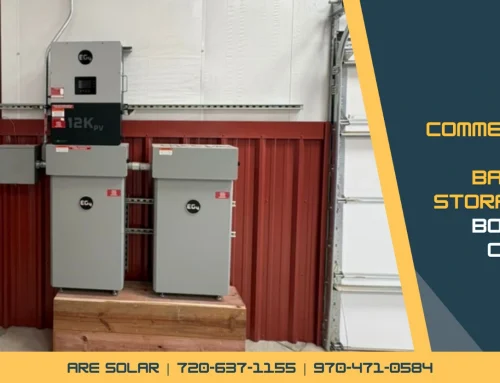
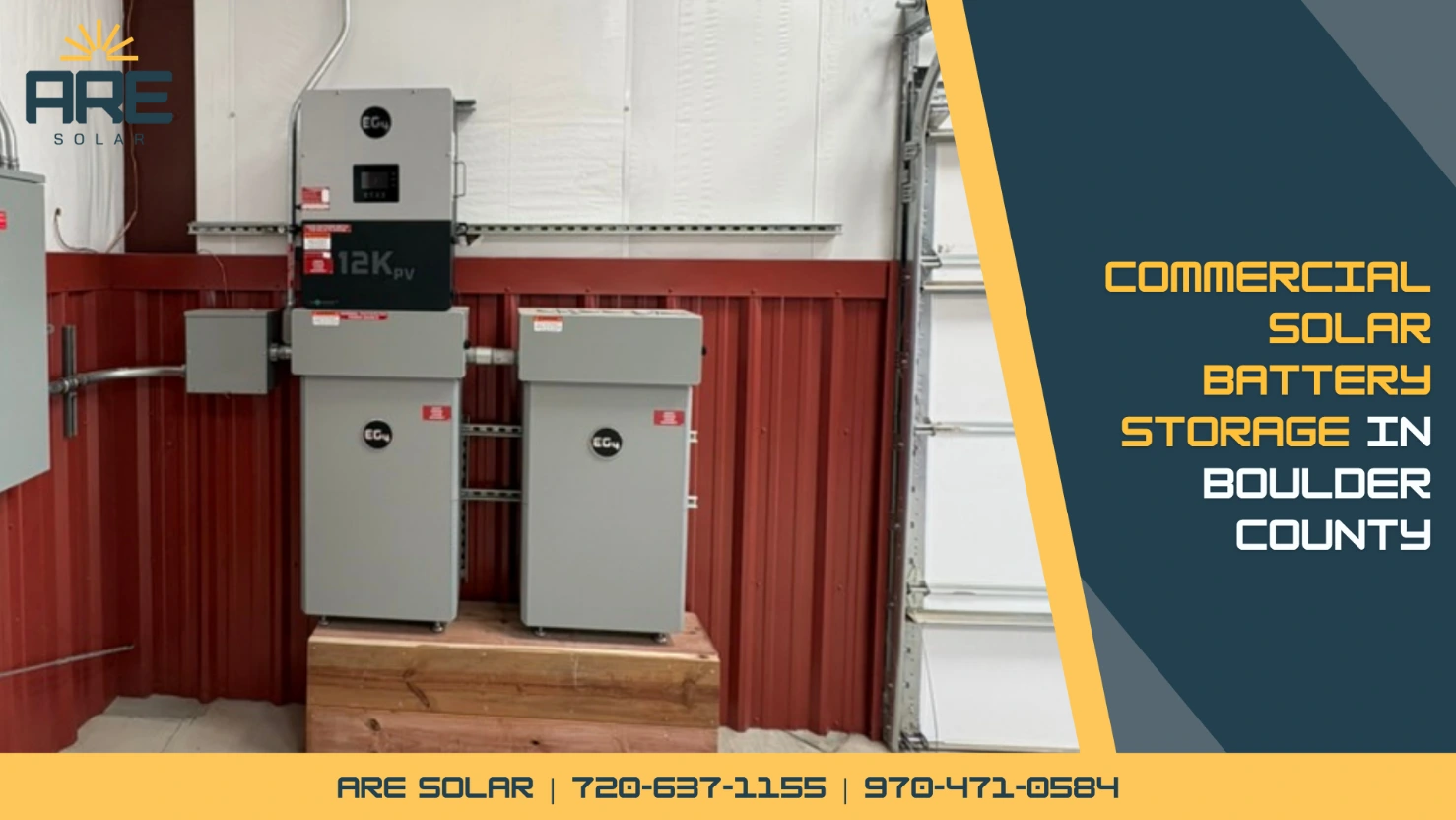
Daytime offset captures immediate production value. Storage systems extend that benefit where required.
ARE Solar treats these projects as infrastructure systems first. Thermal loads drive design constraints.
Electrical redundancy requirements shape interconnection planning. These systems demand higher coordination during installation.
According to the U.S. Energy Information Administration, refrigeration remains one of the most energy-intensive commercial uses in the country.
https://www.eia.gov/consumption/commercial/
That makes cold storage a strong candidate for solar integration at scale.
Educational Facilities and Institutional Campuses
Schools and campuses operate on structured weekday schedules. Energy use peaks during daytime occupancy.
That creates strong alignment with solar production cycles. Summer reductions still maintain baseline daytime demand.
Multiple buildings often require different electrical strategies and phased construction schedules. One uniform system rarely fits campus architecture.
ARE Solar has worked on institutional sites where coordination matters more than individual system size. Electrical integration becomes the primary challenge.
These projects are often evaluated through long-term capital planning. Energy savings accumulate across decades.
Why These Building Types Lead Solar Adoption in Arvada
Commercial solar adoption follows measurable patterns. Roof availability, load timing, and operational consistency drive decisions.
Buildings with daytime energy use benefit first. Buildings with stable roofs follow closely behind.
That is where commercial solar installation in Arvada becomes repeatable engineering logic rather than isolated projects.
ARE Solar structures every design around permitting, snow load, and utility coordination. Execution begins after constraints are fully understood.
The system either gets turned on or it does not leave the ground. That is the standard.
FAQs
- What commercial buildings benefit most from solar in Arvada?
Warehouses, retail centers, cold storage facilities, offices, storage units, and institutional campuses show the strongest alignment due to load timing and roof availability.
- How long do commercial solar systems last?
Most systems operate for 25 years or longer with proper maintenance and component selection.
- Do all commercial solar projects require battery storage?
No. Storage depends on load profile, resilience needs, and operational goals.
- How does Colorado weather affect system design?
Snow load, hail exposure, and wind conditions directly influence racking, structural engineering, and layout decisions.
- Why is early planning important for commercial solar projects?
Early planning aligns permitting, utility interconnection, and roof conditions. That reduces redesign risk and improves system execution timelines.
Where Arvada’s Commercial Roofs Become Energy Assets
Commercial solar is not an add-on decision. It is a structural decision tied to long-term building performance.
If you are evaluating commercial solar installation in Arvada, the starting point is understanding how your building actually uses energy. That data shapes everything from system size to interconnection.
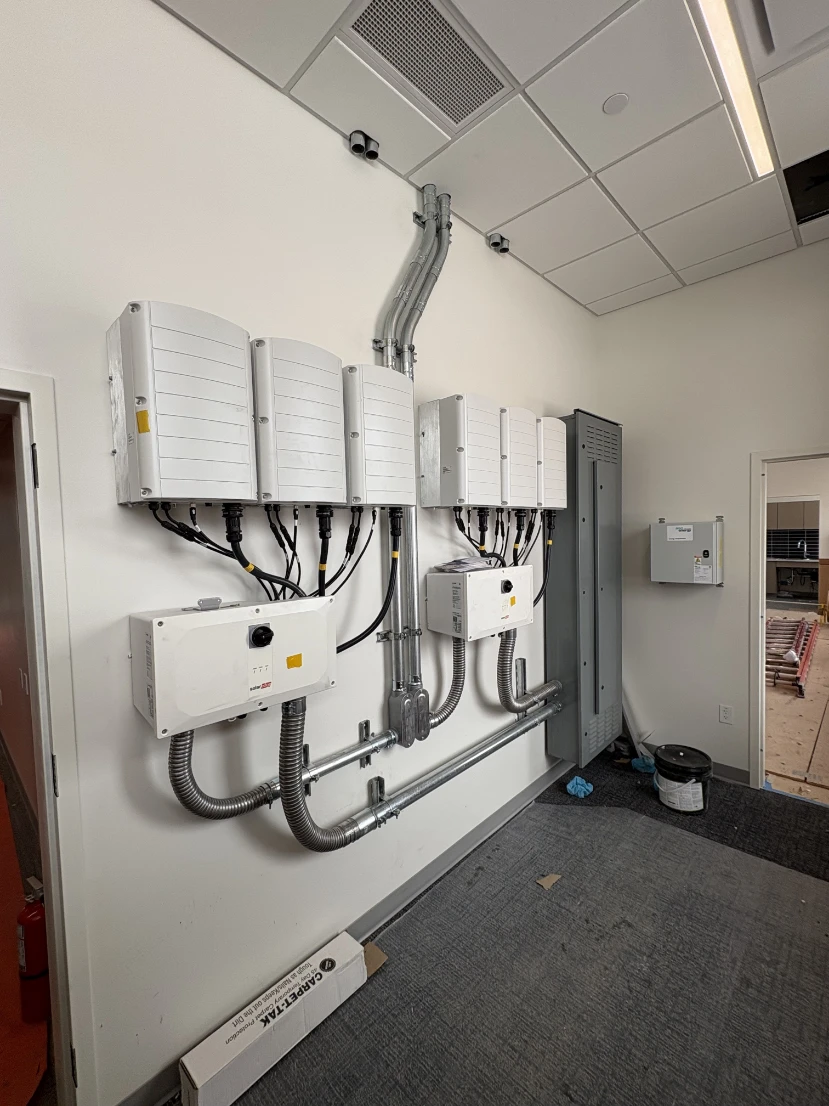
ARE Solar designs, permits, installs, and activates every system in-house. No partial handoffs. No unfinished systems.
If your building fits one of these categories, reach out to ARE Solar. We can map your roof into a working energy asset with clear engineering behind it.