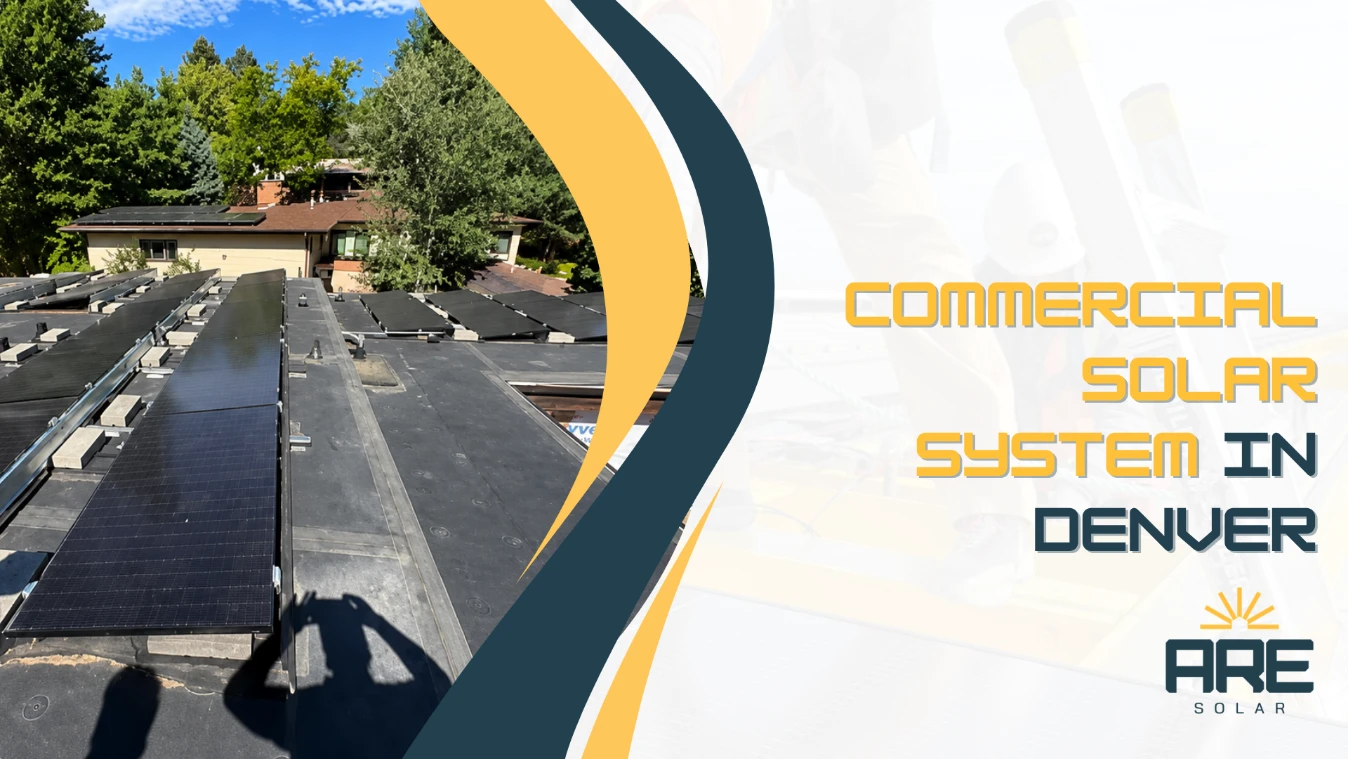
America’s power grid just crossed a quiet threshold. Solar now generates more electricity than coal in several recent periods. That shift matters far beyond utility headlines. It reshapes how homes and buildings think about energy security. It also reframes long-term cost stability for homeowners in real terms.
For Colorado, the signal is even clearer. Climate, elevation, and grid demand all converge here. Systems perform strongly when they are designed with intention. That is where solar energy in Denver becomes more than a trend. It becomes infrastructure planning for the next twenty years.
ARE Solar sees this shift every day in the field. Homeowners are not asking if solar is relevant anymore. They are asking how fast they can get it turned on. The answer depends on design, permitting, and execution that holds up to Colorado conditions.
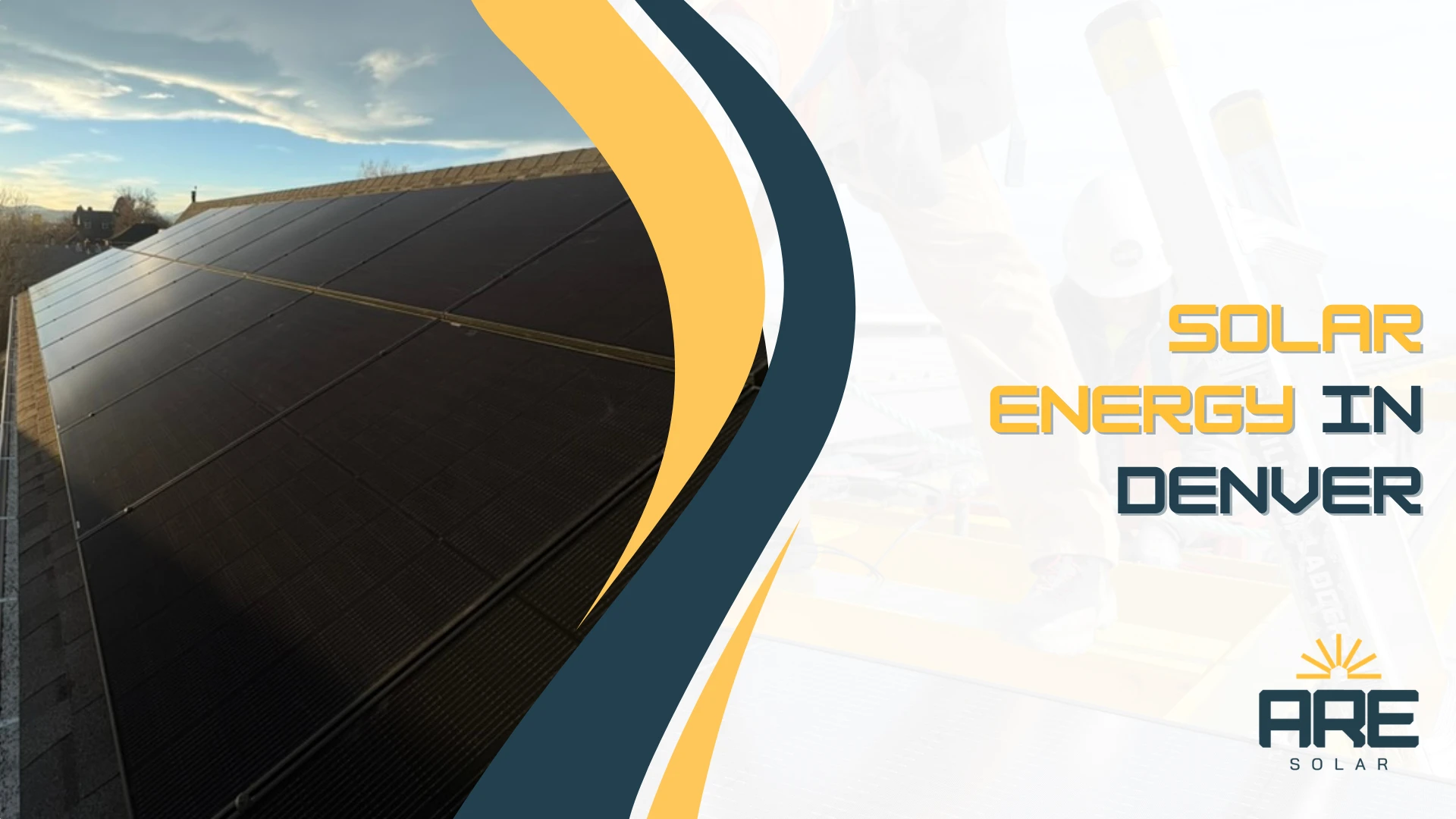
Why Solar Energy in Denver Is Now a Grid-Level Conversation
Solar surpassing coal is not symbolic. It reflects measurable generation data across the U.S. grid mix. Coal continues to decline due to cost and operational limits. Solar continues to scale because it installs faster and runs cleaner.
According to the U.S. EIA, renewable generation continues to grow while coal declines due to aging plants and higher operating costs.
This shift changes how utilities plan capacity. It also changes how homeowners should evaluate long-term energy decisions.
In Denver, solar production benefits from high irradiance and clear seasonal cycles. That consistency supports predictable output over system lifespan. It also improves the financial case for adoption.
Grid transition is not abstract here. It is visible on rooftops across neighborhoods. It is visible in utility bills that no longer follow old assumptions. It is visible in how solar energy in Denver is now treated as standard infrastructure rather than experimental technology.
The Coal-to-Solar Shift and What It Means for Homes
The transition from coal to solar changes system design expectations. Energy is no longer concentrated in distant plants. It is distributed across homes, schools, and businesses.
This decentralization reduces exposure to centralized fuel volatility. It also changes how outages and peak demand events affect households. Local generation matters more than it used to.
For homeowners, this is where value becomes practical. Systems paired with storage can carry essential loads during grid stress. Even basic configurations reduce dependency during peak pricing windows.
Many families installing residential solar panels are not chasing ideology. They are stabilizing monthly cost exposure. They are planning for long-term occupancy rather than short-term savings.
In Denver neighborhoods, residential solar panels are increasingly paired with battery systems. That combination shifts solar from offset tool to active resilience tool.
The decision is less about trend and more about timing. Early adoption captures more long-term production value. Delayed adoption often means higher installed cost and slower payback.
The coal milestone only reinforces that direction. It confirms where the grid is already heading.
How Home Energy Planning Is Changing in Real Time
Energy planning used to sit entirely with utilities. That model is no longer complete. Homeowners now influence demand patterns through distributed generation.
This creates a new type of responsibility. Systems must be designed for durability, not just output. They must match roof structure, utility interconnection rules, and load expectations.
In Colorado, snow load and wind conditions shape every design decision. That is where craftsmanship matters more than sales language. Systems must survive decades of physical stress.
More homeowners are now pairing residential solar panels with high-efficiency electrical upgrades. That includes heat pumps, induction cooking, and smart load management. These systems work together as one energy profile.
When aligned correctly, residential solar panels reduce peak grid reliance in meaningful ways. That reduction compounds over time. It becomes more valuable as utility rates continue adjusting.
This is where solar energy in Denver takes on a deeper meaning. It is not just production. It is coordination between structure, climate, and consumption.
The coal milestone simply makes visible what was already happening on rooftops.
What This Shift Means for Long-Term Ownership
Solar is no longer competing against coal in theory. It is outperforming it in measurable generation trends. That reality influences financing, permitting, and utility planning.
Homeowners benefit most when systems are designed for full lifecycle performance. That includes panel selection, inverter configuration, and service access. It also includes realistic expectations about production curves over time.
In practice, residential solar panels are now part of standard home infrastructure planning. They sit alongside roofing, HVAC, and insulation decisions.
Families that install residential solar panels today are buying into decades of production stability. They are also reducing exposure to future rate volatility.
Colorado conditions make this especially relevant. High altitude improves production but also demands strong installation practices. Systems must be built with long-term exposure in mind.
What Homeowners Should Take From the Coal Milestone
The most important takeaway is not symbolic victory. It is structural change. The U.S. energy mix has already shifted direction.
Solar is now a primary contributor in multiple reporting periods. Coal continues to decline in utilization. The grid is adjusting in real time.
Homeowners are part of that adjustment whether they act or not. The difference is control. Solar brings control back to the property level.
This is where solar energy in Denver becomes a long-term planning decision. It connects household stability with grid evolution.
It also reframes urgency. Waiting does not preserve the status quo. It delays participation in a system already moving forward.
FAQs
What does it mean that solar has surpassed coal?
It means solar generation has produced more electricity than coal in recent reporting periods. This signals a structural energy shift, not a temporary spike.
Are residential solar panels still effective in snowy climates?
Yes. Panels are designed to shed snow and continue production once light exposure returns. Proper tilt and mounting improve performance in winter conditions.
How does solar energy in Denver differ from other regions?
Higher altitude increases sunlight intensity, which improves production. However, hail and snow loads require stronger structural design standards.
Do residential solar panels still work during power outages?
Only systems with battery storage or specific configurations provide backup power. Grid-tied systems without storage shut down during outages for safety.
What is the biggest factor affecting solar performance?
System design and installation quality matter more than panel brand. Inverters, orientation, and structural mounting determine long term output stability.
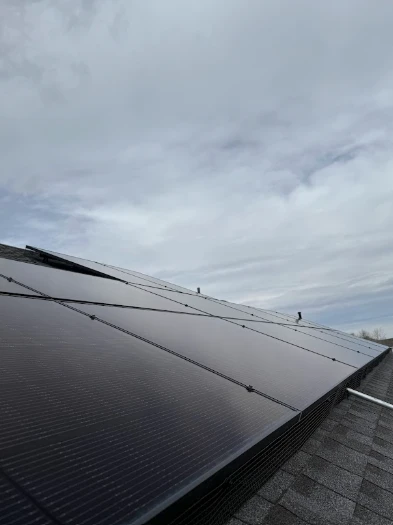
Power Your Home With Colorado Sunlight
The shift in solar energy in Denver is already happening, and homeowners do not need to wait to participate in it. ARE Solar helps Colorado residents design and install systems that reduce utility dependence and improve long-term savings. If you are considering solar energy in Denver, now is the time to evaluate your roof, your usage, and your opportunity to generate your own power.