Warehouses in Castle Rock are carrying more electrical load now. They are not just storage buildings anymore.
Many support logistics, fulfillment, contractor operations, refrigeration, light fabrication, and fleet charging. That changes the energy conversation.
Electricity is no longer background noise. It affects overhead, tenant planning, equipment decisions, and property value. That is why more owners are evaluating warehouse solar installation in Castle Rock.
Solar is not just a sustainability line item. It is building infrastructure.
Castle Rock sits between Denver and Colorado Springs. That gives warehouse users access to the I-25 corridor. The town also supports business growth through economic development work.
The question is not whether solar works in Colorado. The better question is whether the building is ready.
Castle Rock’s Warehouse Market Is Becoming More Energy-Conscious
Castle Rock has become a practical location for expanding companies. The Castle Rock Economic Development Council points to commercial real estate, demographics, and business resources for firms growing there.
That matters for warehouse owners. These buildings are often held for years. Some are owner-operated. Others need to stay attractive to tenants or buyers.
A warehouse with a clearer energy plan has a stronger story. Lower utility exposure can help an owner-operator. Production data can help a future buyer. A solar-ready building can also support tenants with corporate reporting needs.
That does not mean every warehouse should install solar tomorrow. Some buildings need roof work first. Some have load profiles that need closer review. Some need utility details sorted before the numbers mean anything.
That is the work. It should be done before anyone sells the system.
The “Big Roof” Advantage
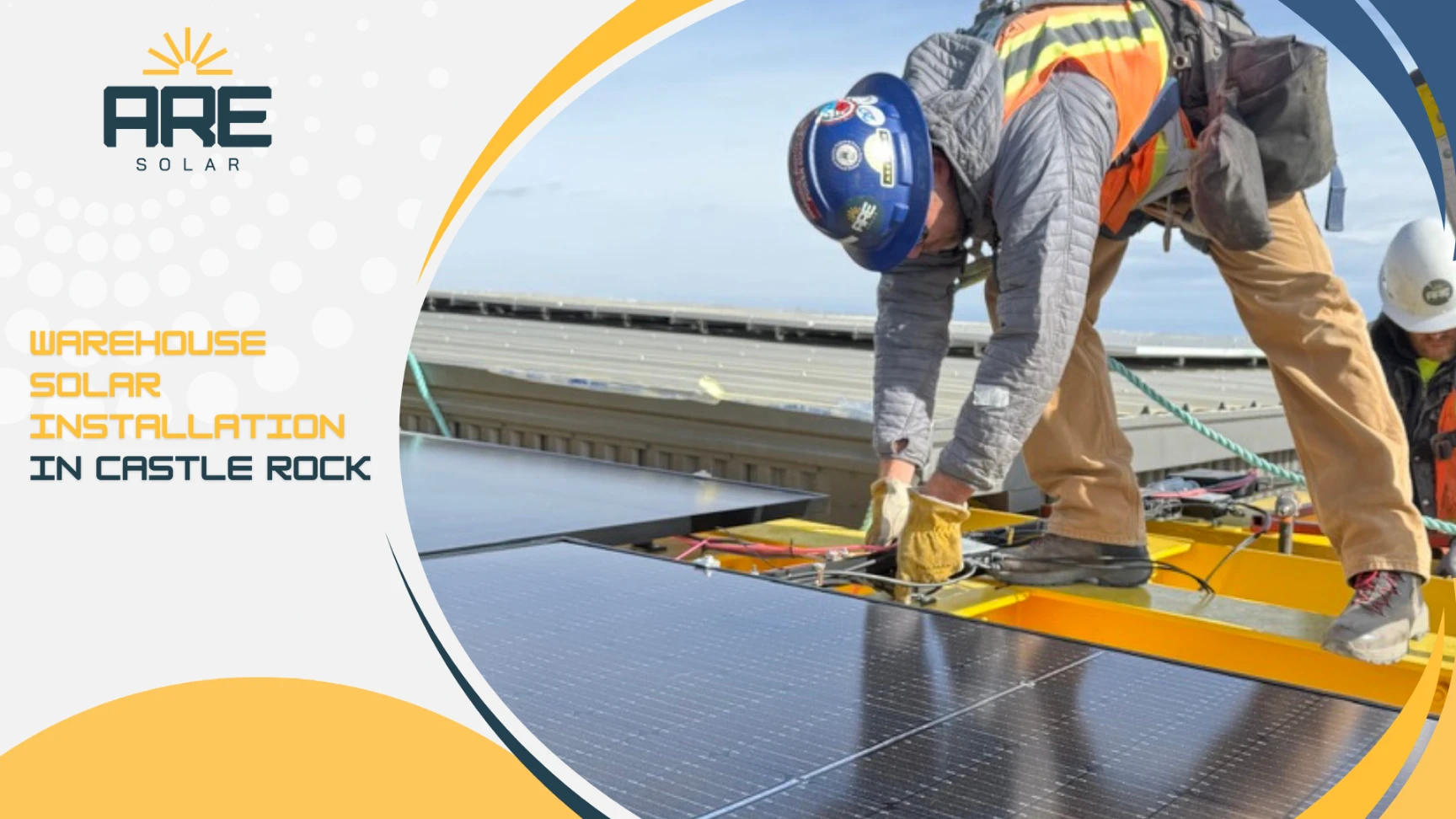
Warehouses have one physical advantage many buildings do not have. They usually have broad roof space.
That roof can sit unused for decades. Or it can help produce power for the building below it. The difference comes down to structure, design, and execution.
A distribution business near I-25 may run lighting, dock equipment, HVAC, chargers, security, and offices during the day. That daytime load can align well with solar production.
The roof still has to be evaluated carefully. Age, membrane type, drainage, warranty terms, and load capacity all matter. Colorado conditions add another layer.
Solar should look like it belongs to the building. Not like it was added without thought.
Warehouse Solar Installation in Castle Rock Is Becoming a Financial Strategy
For warehouse owners, solar is becoming more urgent because operating costs are harder to ignore. Electricity touches almost every part of the building.
Lighting supports safety and productivity. HVAC protects inventory and workers. Refrigeration can run all day. Battery charging and security systems add more load.
When utility costs rise, the building feels it. That pressure can affect margins, lease planning, and capital decisions.
Warehouse solar installation in Castle Rock gives owners one way to reduce that exposure. It does not remove every utility cost. It changes part of the equation.
How much power does the building use? When does it use it? What does the roof allow? What does the utility allow? What should the building support next?
Those questions matter more than generic promises.
The Department of Energy and national lab partners track commercial PV cost benchmarks. That supports a more serious conversation. Solar can be reviewed like other building infrastructure.
The best projects are not rushed. They are modeled, permitted, built, inspected, and turned on.
The Pressures Pushing Warehouses Toward Solar Faster
Several forces are coming together at the same time. None of them alone explains the full shift. Together, they explain the movement.
Rising Operating Costs
Warehouse margins can be tight. Labor, insurance, transportation, maintenance, rent, and utilities all compete for cash.
Electricity becomes a bigger issue when usage grows. It becomes more complicated when rates change. Owners need a better plan than absorbing increases forever.
That is where warehouse energy savings becomes practical. A system that offsets daytime load can support cash flow. It can also make future operating costs easier to forecast.
A local supplier may have high summer cooling demand. A light industrial user may charge equipment daily. A cold-storage tenant may have a different load curve.
Each building needs its own review. Guesswork does not help.
Better Incentive Awareness
Commercial solar incentives can affect project timing. They can also affect documentation, tax planning, and financing.
The IRS lists the Clean Electricity Investment Credit for qualified clean energy and storage projects. IRS Form 3468 is used to claim the investment credit.
Owners should not treat incentives casually. Eligibility can depend on project details, timing, labor requirements, equipment, and tax position. A tax advisor should review those pieces early.
ARE Solar can help with the solar side. Your financial team should handle the tax side. Both need to happen before the project is framed as complete.
To be real, incentives are not a replacement for planning. They work best when the project is already sound.
Tenant and Buyer Expectations
A warehouse with solar can offer something concrete. It can show production history. It can show a building-level energy strategy. It can show planning beyond the next lease cycle.
Imagine two similar properties in the same corridor. One has an aging roof and no energy plan. The other has a reviewed roof, production data, and room for future electrification.
That difference gives tenants and buyers something real to evaluate.
Solar does not make a poor building great. It can make a strong building more useful. That distinction matters.
Sustainability Requirements Are Becoming More Practical
Some companies need sustainability reporting. Others need better energy planning. Some simply want to reduce emissions without disrupting daily operations.
Solar fits because it is measurable. It is tied to the building. It can be monitored over time.
That is one reason industrial solar in Colorado keeps gaining attention. Colorado has strong sun and complicated weather. Those conditions reward careful design.
What Warehouse Owners Should Evaluate Before Going Solar
Before moving forward with warehouse solar installation in Castle Rock, owners should slow down enough to ask better questions.
Roof Condition and Structural Capacity
Start with the roof. It is the foundation of the project.
Owners should know the roof age, material, warranty status, drainage, and replacement timeline. Structural capacity also needs review.
A warehouse with five years left on the roof may still be a solar candidate. But the sequence matters.
Roof work and solar design may need to happen together. That can prevent removal and reinstallation later. It can also protect the investment from day one.
Energy Usage Patterns
Warehouse load profiles vary a lot. Daytime operations may align well with solar. Night shifts, refrigeration, and weekend loads change the math.
A contractor storage facility is different from cold storage. A fulfillment hub is different from a fabrication shop. A multi-tenant building brings another layer.
The system should match the building’s actual demand. Future load should also be part of the discussion.
That may include EV delivery vehicles. It may include forklifts, tenant expansion, office buildouts, or refrigeration. It may also include batteries later.
Utility Interconnection and Export Rules
Commercial solar is not only a rooftop project. It is also a utility coordination project.
Interconnection requirements affect schedule. Metering rules affect value. Export limits and demand charges can affect the financial model.
These details should be reviewed early. They are not paperwork at the end. They shape the project.
The system is not real until it reaches PTO.
Future Expansion
Solar in Colorado is burly work. The sun is strong, but the weather is not gentle.
Warehouse owners should ask direct questions. Is the system designed for local wind and snow loads? How will hail risk be addressed? Where will conduit run? How will the roof be protected?
Those questions are not technical theater. They are the project.
A lower proposal can hide risk. The roof will live with the consequences.
Installer Experience
Commercial solar requires a team that understands construction, electrical work, permitting, and business operations. The installer should know how to work around active facilities.
Warehouse projects can involve tenants, delivery schedules, safety rules, roof access, and equipment staging. That planning should be visible before work begins..
Castle Rock Warehouses Are Moving Faster—ARE Solar Can Help You Move Smarter
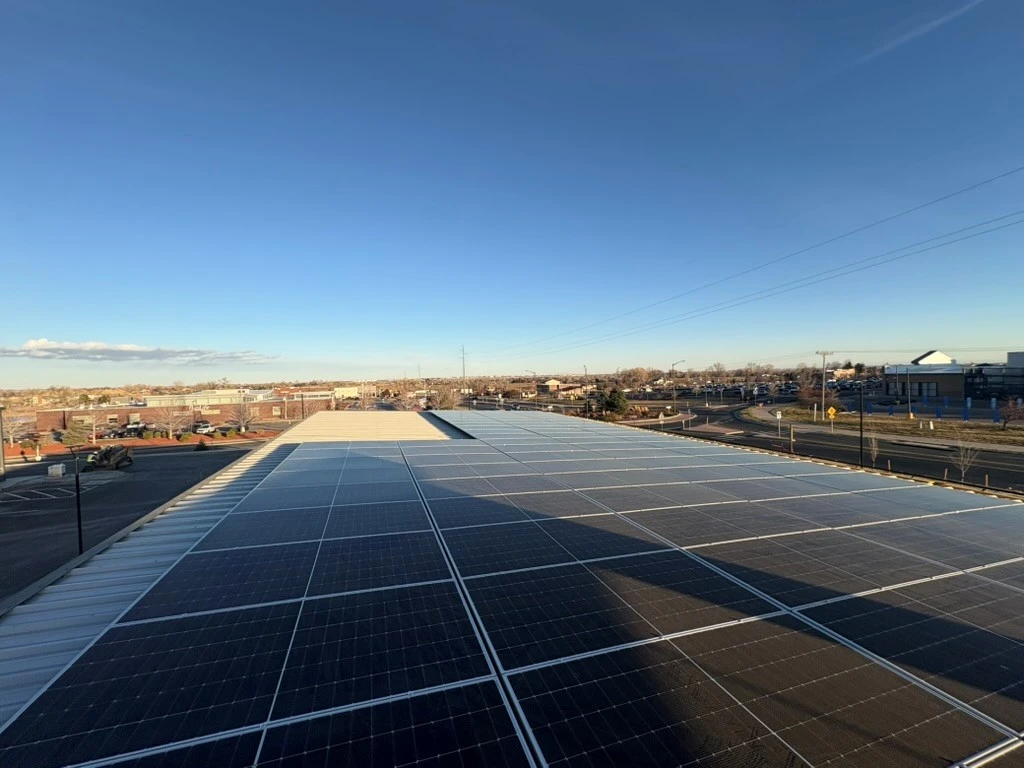
Warehouse owners in Castle Rock are looking harder at energy. The reasons are practical. Loads are growing. Utility exposure matters. Roofs can do more than shed weather.
Solar should not be treated like an accessory. It should be planned like infrastructure. Waiting has a cost, so does rushing. The better move is a careful evaluation now.
If your facility is exploring warehouse solar installation in Castle Rock, talk with ARE Solar. We will look at the roof, the load, and the work ahead. Then we will tell you what makes sense.
That is how commercial solar should start.