At first glance, two commercial buildings in Denver may appear nearly identical. They may share the same footprint, roofline, and even operate similar business hours. Yet when owners request proposals, the pricing gap can be surprisingly wide. This disconnect often leaves decision-makers confused and skeptical. The reality is that commercial solar panel costs in Denver are shaped by layers of technical, regulatory, and site-specific factors that are not visible from the street. Local climate considerations, utility rules, and building history all play a role.
Denver’s commercial solar market rewards precision, not assumptions. Understanding why pricing differs helps building owners evaluate proposals with confidence. The difference is rarely about overpricing but about design realities.

Commercial Solar Panel Costs in Denver Are Shaped Long Before Panels Are Installed
Solar pricing begins long before equipment ever reaches the roof. Early-stage engineering, site analysis, and utility coordination often determine the true scope of a project. Two buildings with the same square footage can trigger entirely different design paths. Variables like roof age, structural drawings, and electrical capacity immediately affect feasibility. These behind-the-scenes steps influence labor requirements and material selection. Permitting and interconnection processes in Denver add another layer of complexity. The result is that pricing reflects preparation as much as installation itself.
Roof Design, Age, and Structural Engineering
Flat Roofs Are Not All Created Equal
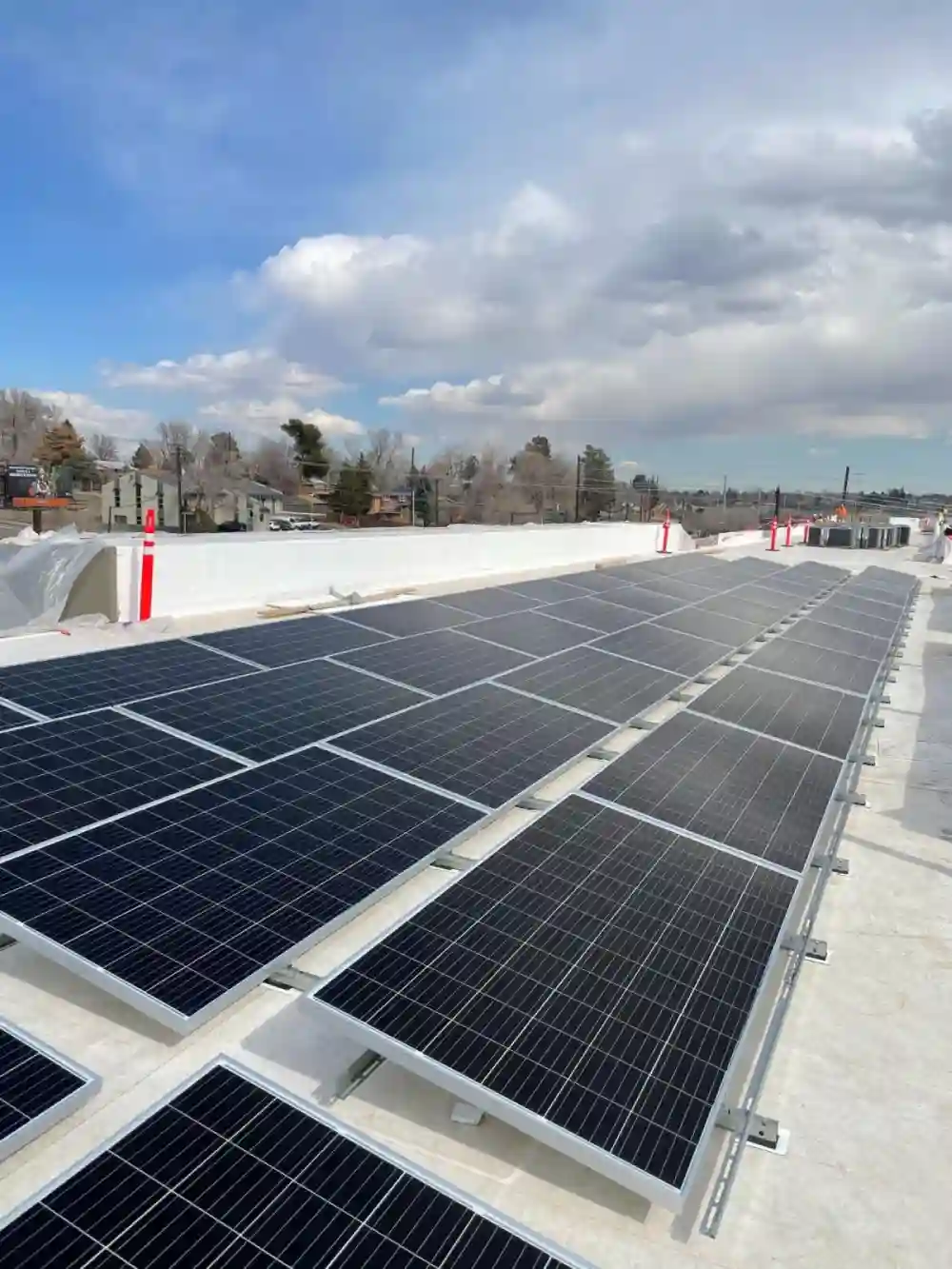
Many commercial buildings in Denver feature flat or low-slope roofs, but that’s where the similarities often end. Roofing material, membrane condition, and insulation thickness can differ significantly. Older roofs may lack documentation or require additional testing. Structural engineers must confirm that the roof can support the added dead load and wind uplift forces. These evaluations affect racking choices and spacing.
Load Capacity Drives Design Decisions
If a roof cannot support standard ballasted systems, installers may need to shift to mechanically attached solutions. That change impacts labor, materials, and installation time. These factors directly influence the cost of commercial solar panel installation, even when system size stays the same. In many Denver projects, roof constraints are one of the earliest cost differentiators.
Electrical Infrastructure and Utility Constraints
Existing Electrical Systems Vary Widely
Behind every solar array is an electrical backbone that must support it. Panel ratings, switchgear condition, and available breaker space differ from building to building. Some properties require service upgrades before solar can interconnect safely. These upgrades are not optional and must meet local code requirements.
Utility Interconnection Adds Complexity
Denver-area commercial systems must comply with Xcel Energy interconnection standards. Depending on system size and location, this may require transformer upgrades or additional protective equipment. These requirements can significantly affect the installation cost, even for buildings that look identical on paper. Experienced local installers anticipate these constraints early in the design phase.
Energy Usage Patterns and System Sizing
Identical Builds Rarely Consume Energy the Same Way
Two buildings of equal size can have dramatically different load profiles. Operating hours, equipment use, and seasonal demand all affect system design. Solar systems must be sized to align with actual consumption patterns, not assumptions. In Denver’s commercial market, demand charges and time-of-use rates further complicate the equation.
Oversizing and Undersizing Both Carry Risk
An oversized system may reduce export value, while an undersized one leaves savings on the table. Achieving balance requires detailed analysis. This is where thoughtful modeling matters. Poor sizing decisions can inflate the cost of commercial solar panel installation without delivering proportional benefits.
Incentives, Ownership Structure, and Timing
Incentives Are Not One-Size-Fits-All
Federal tax credits and depreciation benefits depend on ownership structure. Some buildings qualify for additional advantages based on how they are financed or leased. Timing also matters. Incentive step-downs and utility program changes can shift project economics year to year.
Rate Structures Influence Long-Term Value
Denver businesses fall into different utility rate classes that affect savings projections. Two identical buildings under different rate structures may justify different system designs. This is another reason pricing varies. When evaluating commercial solar panel costs in Denver, long-term performance matters as much as upfront investment.
Engineering Experience Separates Assumptions From Reality
Design Quality Impacts Lifetime Performance
Installer experience plays a quiet but powerful role in pricing accuracy. Strong engineering can reduce unnecessary materials and prevent costly revisions later. Less thorough proposals may appear competitive upfront but lead to change orders during construction.
Turn Solar Price Confusion Into Clarity With ARE Solar
ARE Solar takes the time to explain how structure, electrical systems, and utility rules shape each project. We work with Denver business owners who are trying to make sense of competing proposals and unexpected pricing differences. Our approach is rooted in engineering, not shortcuts. When buildings look the same but behave differently, the numbers should reflect that reality. We believe informed clients make better long-term energy decisions.
If you’re evaluating options and want a clear picture of commercial solar panel costs in Denver, we’re here to help. Reach out to us today to understand what’s driving your numbers and how to move forward with confidence.