What Castle Rock Businesses Should Know About Solar Efficiency
Solar efficiency can sound like a small technical detail. For a business, it is a bigger planning issue. It affects how much usable power your system can produce. It also shapes system size, production expectations, operating value, and long-term energy planning.
When you evaluate commercial solar panels in Castle Rock, you are not only comparing panel ratings. You are deciding how sunlight, equipment, building demand, and utility rules work together.
Castle Rock businesses are carrying more electrical load now. HVAC, lighting, refrigeration, equipment, security, and EV charging all change the math. That makes efficiency more than a spec sheet number.
The better question is not which panel looks strongest alone. The better question is which system performs best for your building.
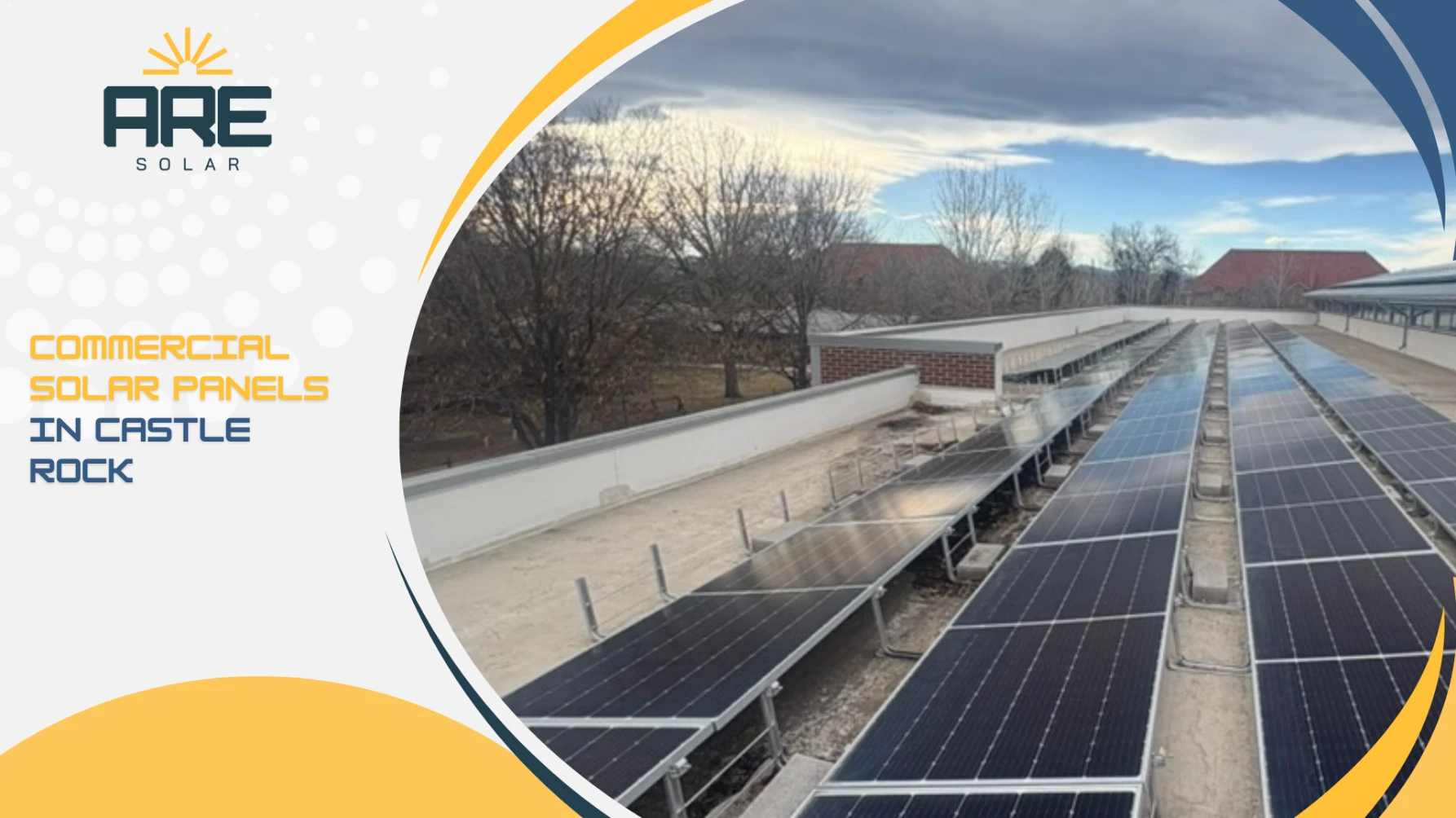
What Solar Panel Efficiency Actually Means
Solar panel efficiency measures how much sunlight a panel converts into usable electricity. A higher-efficiency panel can produce more power from the same amount of sunlight.
That sounds simple. Real buildings make it more complicated.
Commercial systems include panels, inverters, wiring, racking, monitoring, and utility interconnection. Each piece affects the final output. A strong panel can still underperform in a weak system.
The Department of Energy explains that PV conversion efficiency depends on how solar cells convert sunlight into electricity. Not all sunlight becomes usable power. Some energy is lost through normal physical limits.
For business owners, the important point is practical. Efficiency should help you understand expected output. It should not become a distraction from full system design.
To be real, a panel rating does not run your building. The whole system does.
Why Commercial Solar Panels in Castle Rock Need Performance Modeling
Castle Rock gets strong Colorado sun. That helps solar, but it does not remove the need for modeling.
Your business may use power differently by season. Summer cooling can raise demand. Winter daylight is shorter. Tenant schedules, equipment cycles, and operating hours can all change load.
Performance modeling helps connect solar production to real business use. It can show expected annual output, seasonal differences, and likely system behavior.
NREL’s PVWatts Calculator estimates energy production for grid-connected PV systems. Tools like that help create a starting point. Field review and utility data still need to confirm the assumptions.
This is where solar panel efficiency in Castle Rock becomes useful. It helps compare expected production against actual operating needs. That matters more than chasing the highest rating.
Efficiency should answer business questions. How much energy can the system offset? When will it produce? How will production match your busiest hours?
Those questions make the numbers real.
Sunlight, Temperature, and Weather Change Output
Solar panels need sunlight. They do not need extreme heat.
Many owners assume hot weather means better production. That is not always true. High cell temperatures can reduce voltage and lower output.
Cool sunny days can perform well. Colorado often gives systems strong sun without coastal humidity. That can support good production across the year. Weather still affects results. Cloud cover can reduce output. Snow can stop production while panels stay covered. Hail can create damage that needs professional review.
This is why solar panel efficiency in Castle Rock should be judged over time. One cloudy afternoon does not define the system. One strong summer day does not tell the whole story either.
Annual production matters. Seasonal trends matter. Monitoring matters after PTO.
A serious commercial design should explain these changes before installation. It should not pretend every month will look the same.
System Design Matters More Than One Number
Efficiency is not only about the panel. It is about how the whole system works together.
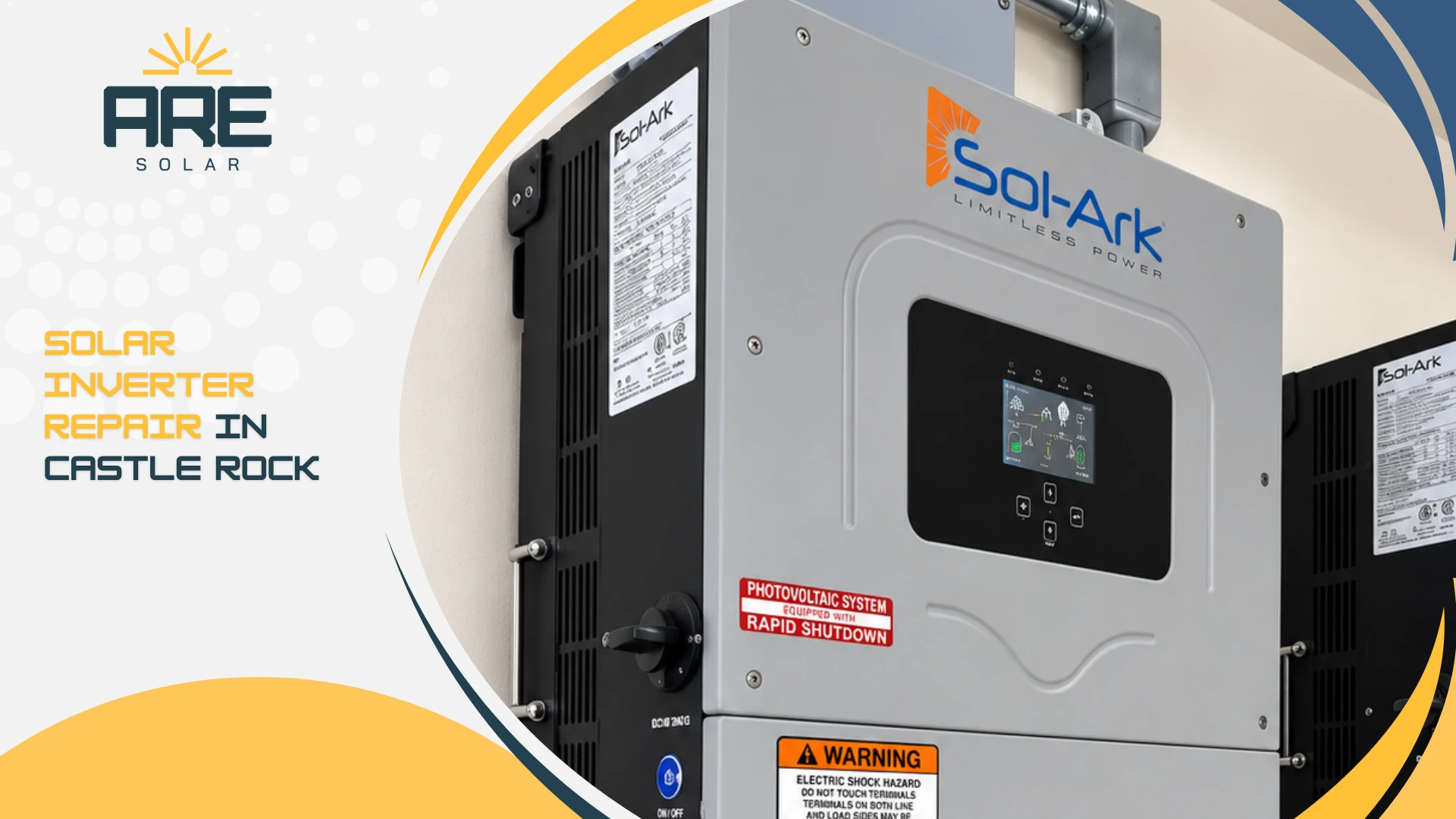
Panel placement affects production. So does inverter selection. Wiring losses, equipment matching, and monitoring also matter. The inverter plays a major role. It converts DC electricity from the panels into AC electricity your building can use. Poor inverter planning can limit system performance.
Commercial systems may use different inverter strategies. The right approach depends on load, system size, shade patterns, and service needs.
Utility interconnection also matters. Metering rules, export limits, and demand charges can affect the value of production.
That is why solar should not be sold as a box of equipment. It should be designed around your business.
Load Alignment Makes Efficiency More Valuable
A solar system creates the most practical value when production fits usage. For many commercial buildings, daytime load creates a natural opportunity.
Offices use lighting, computers, and HVAC during the day. Warehouses may run dock equipment, ventilation, and charging. Retail spaces may operate heavily during sunlight hours.
That alignment can make solar production more useful. It can reduce how much power the building buys during active periods.
A business with mostly nighttime usage may need a different analysis. Solar may still make sense, but the value path changes. Batteries or future load planning may become part of the conversation.
This is where solar panel efficiency in Castle Rock should connect to operations. The goal is not only producing more power. The goal is producing useful power when your building needs it.
Future load should also be included. EV chargers, added refrigeration, equipment growth, and tenant changes can all alter demand.
A good system should fit the building now. It should also respect what the building may become.
Monitoring Keeps Efficiency Honest
Solar performance should not be guessed after installation. Monitoring gives owners a clear view of production. It can reveal drops, equipment faults, communication problems, and weather-related changes. It can also show whether production tracks with the original model.
NREL ran a study called the PV Fleet Performance Data Initiative, tracking real solar systems already in use. The scale was serious. About 19,000 inverters, across roughly 2,500 sites, in 37 states.
The result: the typical system loses about 0.75% of its output per year, according to DOE’s summary of the findings. That’s less than 1%. Degradation varied by climate zone, with cooler regions holding up better over time.
A well-built system barely slows down over time. But “barely” isn’t “never.” That’s why monitoring matters. It catches small problems before they become expensive ones.
Efficiency Should Support Better Decisions
Commercial solar efficiency should help you make clearer decisions. It should not bury you in jargon.
You need to know what the system can produce. You need to know how that production fits your usage. You also need to understand what could limit performance.
The strongest projects begin with data. Usage history, operating schedules, utility bills, production modeling, and equipment planning all matter.
Castle Rock is still growing as a business community. The Town identifies economic development as part of maintaining a strong business environment. That makes energy planning more important for owners thinking beyond one budget cycle.
Electricity will keep shaping commercial decisions. Solar gives you a way to take part of that load into your own infrastructure.
That choice is consequential. It should be made with clear numbers and serious design.
Build Around Real Output
Commercial solar should not start with a promise. It should start with the work.
Your system needs the right equipment, model, interconnection plan, and monitoring strategy. It also needs a team that knows Colorado conditions.
Commercial solar panels in Castle Rock should be evaluated by how they perform as a full system. The panel matters. The design matters more. ARE Solar brings a builder’s mindset to commercial solar. The work gets designed, permitted, installed, inspected, and turned on.
That is how the system becomes real.
Turn Sunlight Into a Working Asset
We help businesses make informed decisions about commercial solar panels in Castle Rock with clear modeling and real site review. We look at usage, production goals, system design, and the path to PTO.
We show what your building can support. Then we give you the next right step. Contact ARE Solar to schedule your commercial solar review in Castle Rock.