Top Signs Your Castle Rock Home Is Ready for Solar
Energy costs rarely stay still. Colorado homeowners have watched rates shift while household electricity needs continue to grow. Many are also thinking beyond monthly bills and asking how their homes can produce more of their own power.
That conversation often starts with residential solar in Castle Rock, CO. Solar is no longer reserved for unusual homes or remote properties. Well-designed systems now fit many neighborhoods and roof types across the Front Range.
Still, not every house is ready on the same timeline. The right moment depends on the structure, electrical use, long-term plans, and the condition of the roof itself. Understanding those factors helps you invest with confidence instead of guesswork.
Your Electric Bills Keep Climbing
A rising electric bill rarely shows up all at once. It builds through small changes. A newer HVAC system runs harder. Kids spend more time at home. A finished basement adds lighting, screens, and comfort needs. Then summer cooling arrives, and the bill stops feeling predictable.
That is often the first sign. Your home uses enough power to study onsite generation. Solar does not erase every utility cost. To be real, that is not how interconnection works. But a well-sized system can offset meaningful usage. It can also clarify long-term energy planning.
Castle Rock keeps growing. More homes and businesses shape local energy demand. You cannot control that whole system. You can control what your roof produces. That is where solar becomes practical.
Your Roof Has the Right Kind of Work Left
A solar conversation starts with the roof. If replacement is close, solar should wait or be coordinated. Pulling panels for a reroof later adds cost. It also adds frustration. A strong roof gives the project a cleaner path.
The best homes for solar usually have open roof planes. South-facing areas often perform well. East and west roof sections can also work. Shade matters, but it does not end the discussion. Trees, dormers, vents, and roof angles all need review.
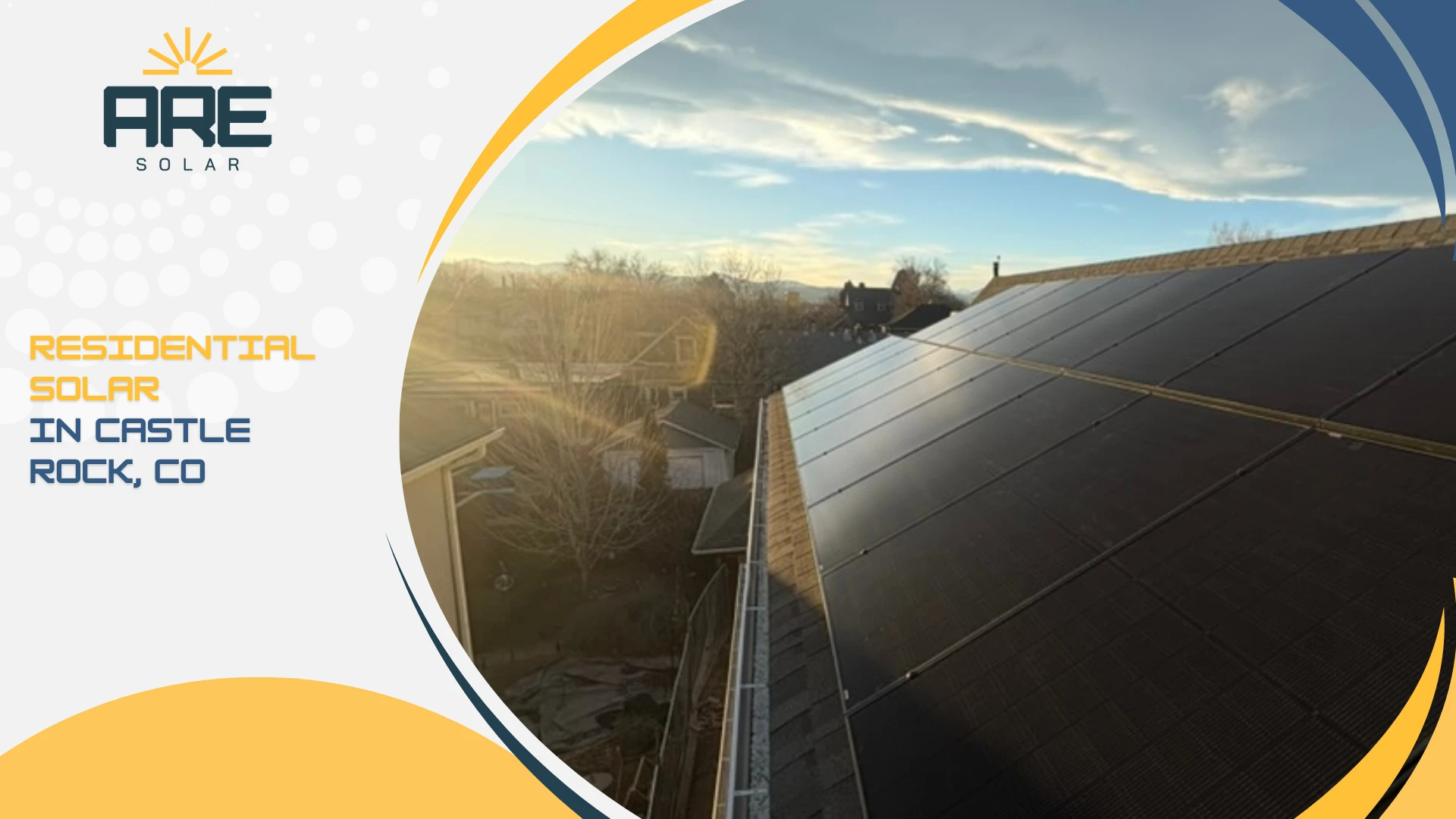
Colorado adds another layer. Snow load, wind exposure, hail risk, and racking attachments matter here. A home solar installation in Castle Rock, CO should account for those conditions early. ARE Solar looks at the physical house first. The design should belong to the roof.
You Are Planning to Stay at Home
Solar rewards time. If you plan to stay, the system can prove itself. You can use the energy. You can track production. You can see how seasonal patterns change the numbers.
This does not mean you need a forever home. It means your timeline should support the investment. Future plans matter, too. Air conditioning, EV charging, or batteries can affect system sizing.
Residential Solar in Castle Rock, CO Fits Your Home’s Real Usage
The right system is not based on a guess. It starts with your utility history. Monthly usage shows how your home behaves. Seasonal peaks show where demand gets heavy. Daytime usage helps shape the value of solar production.
That is why residential solar in Castle Rock, CO should begin with a real review. A home using steady daytime power needs one approach. A home peaking at night may need another. Future EV charging changes the picture, too. The details matter because the system stays for decades.
Your Home Gets Strong Sun, But Needs Thoughtful Design
Castle Rock gets serious sun. That does not make every roof simple. Solar access can change across the day. A roof may produce well in one season. It may produce less in another. Snow can sit differently on each slope.
This is why a site visit matters. Software can help. It cannot see every field condition. It cannot feel how a roof is built. It cannot notice every awkward conduit path. Construction judgment still matters.
A careful home solar installation in Castle Rock, CO should study production and structure together. Appearance matters, too. The system should work hard. It should also look intentional. Clean conduit paths are not cosmetic extras. They show whether the work was planned.
Your Electrical Panel Is Ready, Or Close Enough to Evaluate
Solar connects to the electrical system. That makes your main panel important. Some homes are ready with minor work. Others need upgrades before solar makes sense. Older panels or limited capacity can change the scope.
This is useful information. A panel review shows what your home can support today. It also helps you plan for tomorrow. Solar, batteries, heat pumps, and EV chargers all place demands there.
A good installer should explain those needs plainly. You should know what must happen. You should know why it matters. Then you should know what comes next. No mystery. No pressure. Just the facts of the house.
You Want More Control Over Long-Term Energy Costs
Nobody can control future utility pricing. What homeowners can control is how much electricity they produce on their own property.
Solar introduces a measure of predictability into long-term planning. Instead of reacting to every rate adjustment, you create an asset that generates electricity under Colorado’s abundant sunshine.
For many families, stability carries as much value as savings.
Permitting and PTO Do Not Scare You Off
A solar system is not real until it is approved. It must be permitted, inspected, and turned on. That final step is PTO, or Permission to Operate. It matters because the utility must approve the system.
This is where a disciplined contractor matters. Permits protect the homeowner. Inspections protect the structure. Utility approval protects the interconnection. Those steps should not be skipped.
ARE Solar designs, permits, installs, inspects, and turns on its systems. That sequence matters. It is the difference between selling and finishing. For homeowners, that should be a major sign. The team doing the work should cross the finish line.
You Are Ready for a Straight Answer
Solar decisions can get noisy. You may hear big promises or strange financing terms. You may also hear timelines that sound too clean. To be real, solar in Colorado has moving parts. The work is not impossible. It is physical, regulated, and specific.
A better conversation starts with your home. Is the roof ready? Does usage support solar? Is the electrical panel prepared? Do Colorado conditions affect the design? Can the contractor show how the system reaches PTO?
If you want those answers, your home may be ready. You do not need every technical term first. You need a contractor willing to explain the work clearly.
Built for the House, Not Just the Roof
A strong solar project should feel like it belongs. The layout should respect the roof. The conduit should be considered. The equipment should match the home’s demand. The project should move through inspection with discipline.
That is the ARE Solar approach. Five generations of Colorado roots shape how the team thinks. So does real construction experience. The system has to survive Colorado conditions. It also has to serve the homeowner for years.
When those pieces line up, solar becomes infrastructure. It becomes a decision with weight. When the work is done right, it becomes part of the home.
Let’s Build What Your Castle Rock Home Can Use
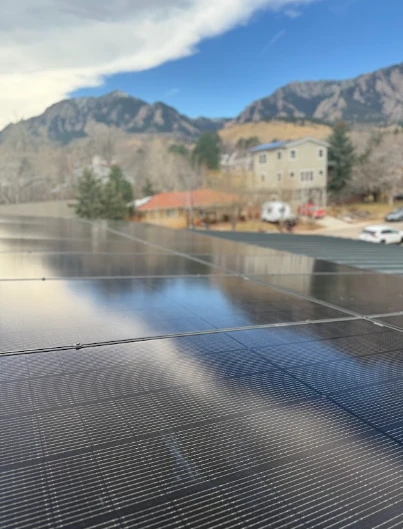
If you’re considering residential solar in Castle Rock, CO, start with the home itself. Every property is different. So is every solar system.
At ARE Solar, we review your roof, energy use, site conditions, and long-term goals before making recommendations. That work shapes the design. It also helps avoid surprises later.
If solar fits your home, we’ll show you why. If it doesn’t, we’ll tell you that too. Schedule a residential solar evaluation and make your decision with a clear understanding of the facts.