Solar panel maintenance in Colorado comes down to four habits. Watch your production data. Clear heavy snow only when it’s safe. Keep critters out from underneath the array. Get a physical inspection every few years.
Colorado’s climate is harder on a roof-mounted system than most states. Hail, wind, snow load, and intense UV all show up in the same year. A well-installed system handles that punishment with very little upkeep, but not none. Panels that are monitored, cleaned, and inspected on schedule keep producing at their rated output for decades. Panels left alone lose efficiency quietly. Often the homeowner doesn’t notice until a bill jumps. Here’s what actually needs attention, and what doesn’t.
Why Solar Panel Maintenance in Colorado Matters
Solar panels are designed to operate outdoors for 25 to 30 years. But panels are only one part of the system.
Your solar array includes:
- Panels that capture sunlight
- Racking that supports the equipment
- Wiring and conduit that carry electricity
- Inverters that convert solar power into usable energy
- Batteries, if installed, that store excess energy
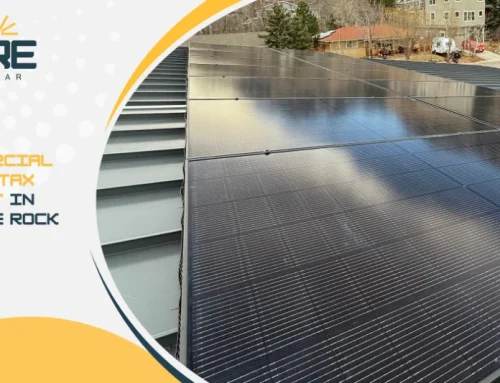
Heavy snow can stress mounting systems over a winter. Hail tests panel durability and surrounding equipment. Wind can loosen improperly secured components. Wildlife can create problems underneath the array.
A system built correctly from the start needs very little attention. Following these habits helps homeowners catch small issues early. A system that was rushed or poorly mounted can create problems later.
Do Solar Panels Need Regular Cleaning in Colorado?
Less than people assume. Rain handles most dust and pollen naturally, especially on a tilted array. The exception is after a dry spell with wildfire smoke or heavy pollen. A film can build up across the glass in that case. A gentle rinse with a hose, done from the ground, is usually enough. Avoid pressure washers and abrasive brushes. They can crack seals or scratch the anti-reflective coating.
How Does Snow Affect Solar Production in Colorado?
Snow blocks production temporarily. It usually slides off on its own once the sun hits a tilted panel. Climbing onto a snow-covered, icy roof is a real fall risk. It’s not a maintenance task worth the danger. Structural engineers factor snow load into the racking design during installation. The panels themselves are built for it. If snow sits for days during a storm cycle, your monitoring app will show the dip. That’s normal. It’s not a sign anything is broken.
Can Colorado Hail Damage Solar Panels?
Colorado hail is a real design constraint, not a theoretical one. Colorado, Nebraska, and Wyoming lead the country for hailstorms, according to NOAA’s National Severe Storms Laboratory. The tri-state corner they call hail alley averages seven to nine hail days a year. Colorado’s Front Range gets its own share. Hail is a design input here, not an edge case. Panels sold today are certified to IEC 61215. That standard requires surviving a 25mm ice ball at roughly 50 mph. Better panels are rated well past that floor: the REC Alpha Pure-RX 460 is certified to 45mm hailstones at roughly 68 mph. Racking and mounting hardware matter as much as the glass. A poorly secured panel is more vulnerable to wind-driven hail than a properly torqued one.
After a major hailstorm, homeowners should look for:
- Visible cracks or damage from the ground
- Damaged equipment near the array
- Sudden changes in production
- Alerts from the monitoring system
Do not walk on your roof to inspect panels after a storm. A professional inspection can determine whether damage affects performance, or whether the system is still operating normally.
Do Critters Cause Damage Under Solar Panels?
Yes, more than most homeowners expect. Squirrels and birds nest in the gap between the panel and the roof. They chew wiring while they’re at it. Critter guard is a mesh barrier installed around the array’s perimeter. It closes that entry point during the original build. If your system was installed without it, retrofitting critter guard is a straightforward job. It’s worth doing before a chewed wire turns into a bigger repair.
How Often Should Solar Panels Be Inspected?
Every two to three years is a fair baseline, for a healthy system. Sooner, if you see a sudden drop, a tripping breaker, or storm damage. An inspection should check racking bolts and conduit connections. It should also check inverter function and roof penetrations. NABCEP-certified installers and licensed master electricians catch small issues before they grow.
What Should I Watch On My Monitoring App?
Your system’s monitoring dashboard is the earliest warning sign you have. A gradual decline across a full year can indicate soiling or a failing part. A sudden drop on one string points to a specific panel. It’s rarely the whole array. Compare month-over-month production against the prior year, not just daily numbers. That filters out normal weather variation from a real problem.
How Long Do Solar Inverters and Batteries Last?
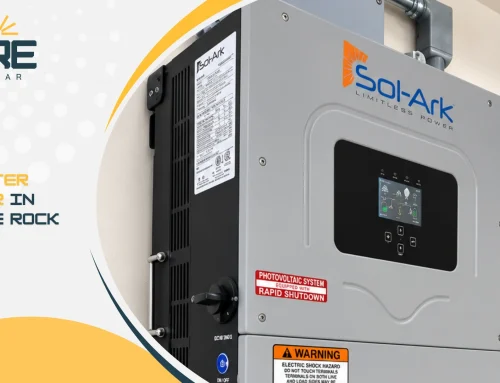
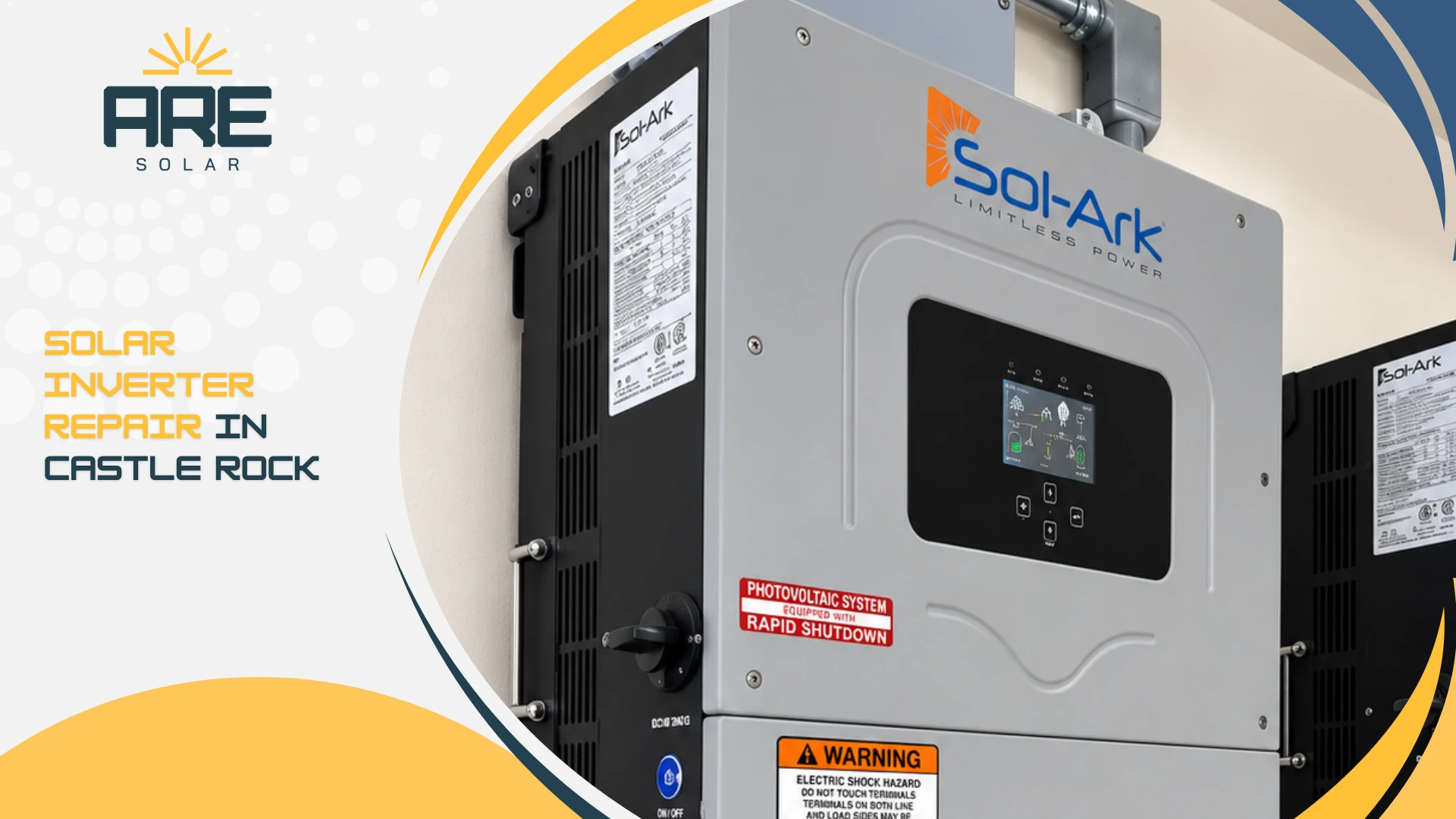
String inverters typically run 10 to 15 years before replacement. That’s shorter than the 25-to-30-year lifespan of the panels themselves, per pv magazine’s reporting on inverter lifespan. Microinverters usually last longer, closer to 25 years. Sol-Ark and similar hybrid inverters carry manufacturer warranties. Read the coverage terms closely, since they vary. Fortress and other battery systems have their own service life. It’s generally tied to charge cycles, not calendar years alone. Knowing which component is under warranty, and for how long, saves a homeowner from paying for a covered repair.
A Simple Solar Maintenance Checklist for Colorado Homeowners
Use these simple habits to protect your system:
- Review your solar monitoring data regularly
- Check production changes over time, not just daily numbers
- Inspect visible equipment after major storms
- Keep trees from creating new shading
- Watch for wildlife activity around the array
- Avoid unsafe roof access during snow or storms
- Schedule professional inspections when something changes
Solar ownership should not feel complicated. Following practical solar panel maintenance tips in Colorado helps homeowners protect their investment over time. A well-built system, combined with basic awareness, can provide reliable energy for decades.
FAQs
How often should I have my solar panels inspected in Colorado?
Every two to three years for a healthy system, sooner if your monitoring app shows a sudden drop in production or you notice storm damage.
Do I need to clear snow off my solar panels?
Usually not. Tilted panels shed snow on their own, and climbing onto an icy roof carries more risk than the temporary production loss is worth.
Can hail damage solar panels in Colorado?
Panels rated for this region are tested against hail impact standards, and secure racking reduces vulnerability further. A visual check after a major storm tells you if a professional look is needed.
Is critter guard necessary for a Colorado solar installation?
It’s a strong preventive measure. Squirrels and birds commonly nest under panels without it, and the resulting wire damage is a more expensive fix than the guard itself.
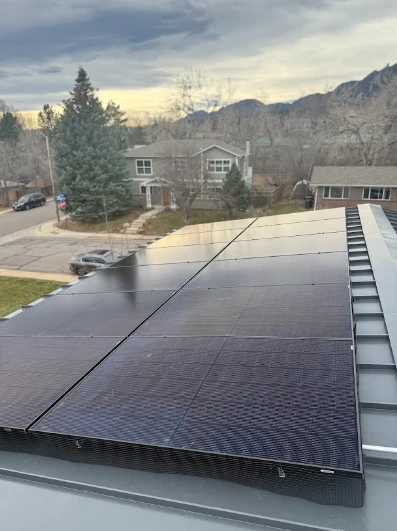
A System Finished Right Needs Less Looked After
Most of what causes early solar problems in Colorado traces back to the install, not the weather.
The best solar systems are built for the conditions where they operate. Good design, proper installation, and thoughtful solar panel maintenance in Colorado work together.
Every system ARE installs is inspected and turned on by ARE, never handed off to a subcontractor. We’ve also finished systems other installers walked away from before reaching Permission to Operate, wiring left exposed, racking undersized for the snow load it was supposed to carry. A system built right the first time is the best maintenance plan there is.
If you have questions about your system’s performance and need a professional evaluation, contact ARE Solar today!