Can the system handle hail?
That question belongs in every serious solar conversation here. Broomfield sits along the Front Range. Spring and summer storms can move fast. Hail can arrive with wind, rain, and very little warning.
Solar panels in Broomfield, CO need more than a good production estimate. They need equipment selected for Colorado conditions. They also need racking, roof attachments, permitting, and inspection handled correctly.
Modern solar panels are not fragile roof glass. Quality modules are built for outdoor exposure. They are tested for impact, temperature swings, wind, moisture, and years of sun.
Still, no roof product is indestructible. To be real, “hailproof” is not the right word. “Hail-tested” is better.
At ARE Solar, we design for that reality. Every system is built for Colorado exposure, not averages.
Are Modern Solar Panels Built to Handle Broomfield Hail?
Yes, modern solar panels are built to handle normal outdoor stress. That includes hail impact under defined testing conditions. Most reputable modules go through standardized durability testing before reaching rooftops.
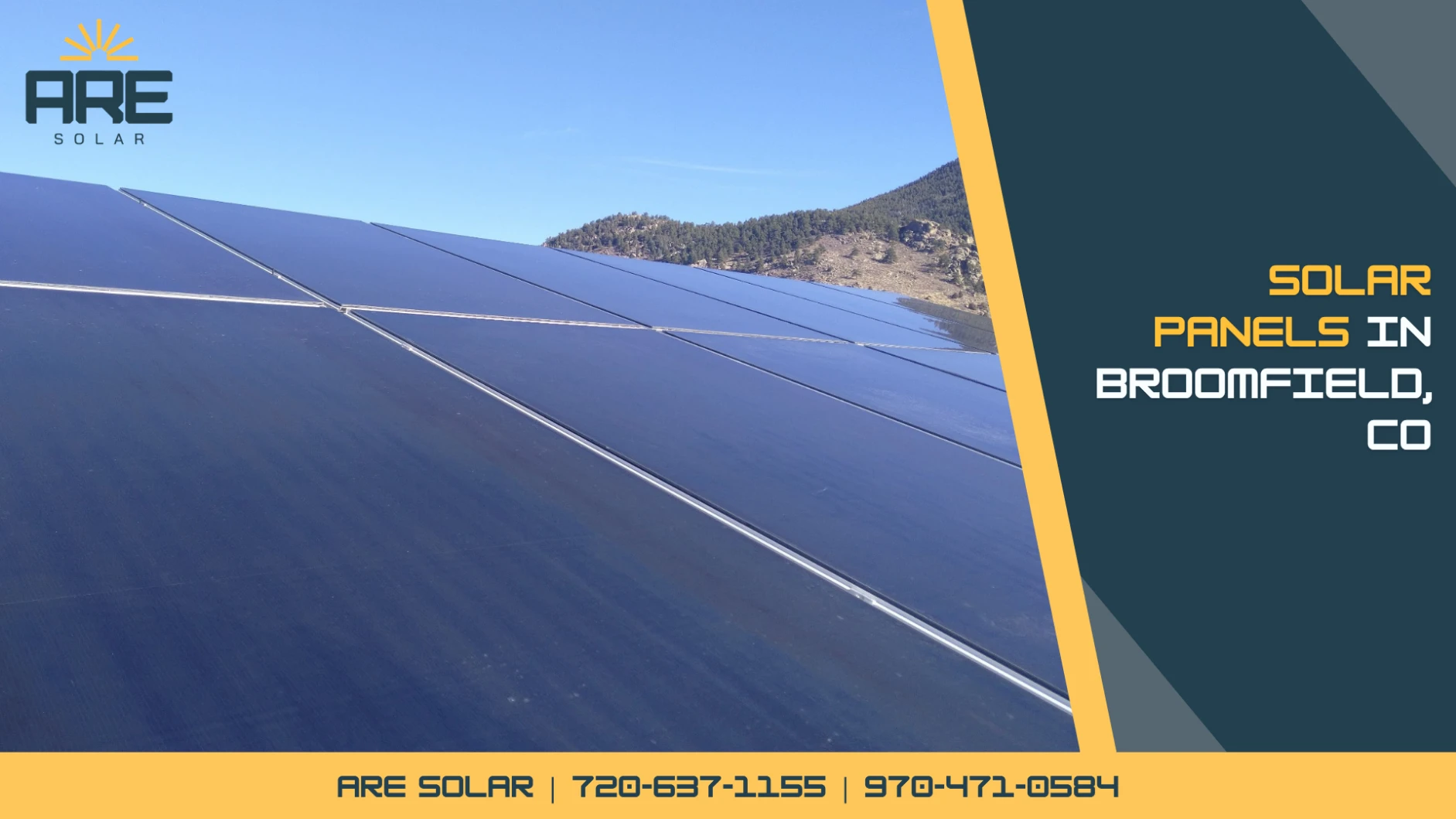
A solar panel is an engineered assembly. It includes tempered glass, a frame, laminated cells, wiring, and electrical components. The glass protects the cells. The frame supports the module. The installation holds everything to the roof.
When hail hits, all of that matters.
That is why Broomfield homeowners should avoid easy claims. A good panel can take punishment. A severe storm can still cause damage.
The right expectation is not fear. It is clear planning.
How Solar Panels in Broomfield, CO Handle Hail Impact Testing
Hail testing is designed to measure impact resistance. It is not a promise against every storm. It is a controlled way to test panel durability.
Under common IEC testing, ice balls are fired at solar modules. The test targets key areas, including the center, frame, and corners. After impact, panels are checked for damage and electrical performance.
Cracked glass is easy to see. Cell damage can be harder. A panel may look fine from the ground while performance changes later. That is why monitoring and inspection matter after major storms.
For homeowners, this is the practical takeaway.
Ask what panels are being used. Ask what impact standards they meet. Ask how the system will be mounted. Ask who handles inspection if a major hail event hits.
Those are normal questions. A serious installer should answer them plainly.
What Colorado Storm History Teaches Us About Solar Panel Durability
The Colorado Geospatial Portal compiles NOAA hail reports statewide. Colorado Hail Storm Data (NOAA Tracking). That data reflects a simple truth. Hail is a recurring structural risk in this region.
A local example comes from the National Renewable Energy Laboratory in Golden. After a severe 2017 Denver-area hailstorm, only one panel broke out of more than 3,000. That does not mean hail cannot damage panels. It means quality equipment can be more resilient than many people expect.
That storm also showed another important truth.
A single concentrated impact can still break glass. Hail risk is not eliminated by good equipment. It is reduced through equipment selection, installation quality, and post-storm attention.
Do not assume every hailstorm will destroy a solar array. Do not assume every panel will survive every storm. Build for Colorado conditions, then monitor the system after severe weather.
What Should You Do After a Hailstorm?
Do not climb onto the roof.
Start with what you can check safely. Look for broken glass from the ground. Review your monitoring app. Compare production on similar sunny days after the storm.
A short-term drop during a storm is normal. A lasting drop may need attention.
Visible damage should be inspected by a professional. So should alerts, unusual inverter behavior, or sudden production changes. Microcracks and wiring issues are not always obvious from below.
The roof should be checked too.
Solar panels and shingles respond differently to hail. A panel may survive while roofing materials take damage. The reverse can also happen. After a major storm, both should be evaluated.
Insurance should be reviewed before storm season.
Many policies treat rooftop solar as part of the home. Details can vary. Ask about hail coverage, deductibles, roof repairs, panel removal, and reinstallation.
Documentation helps before anything goes wrong.
FAQs
Can hail crack solar panels in Broomfield?
Yes, hail can crack solar panels. Large, wind-driven, or repeated impacts can cause damage. Modern panels are built with tempered glass and tested for impact resistance. That reduces risk, but it does not erase it.
Should I inspect my solar panels after every hailstorm?
Not every light hail event requires a full inspection. After a severe storm, check monitoring and visible conditions. If production drops or damage appears, schedule a professional assessment.
Are solar panels more vulnerable than roofing shingles?
Not necessarily. Panels and shingles handle hail differently. Solar panels are tested electrical equipment with glass and frames. Shingles protect the roof surface. After severe hail, both should be checked.
What matters most for hail-resistant solar in Broomfield?
The full system matters. Panel quality, racking, roof condition, wiring, permitting, and installation quality all work together. Colorado weather tests the whole job, not one component.
What Should Broomfield Homeowners Check Before Installation?
Start with the panel itself. Ask about durability testing. Ask about the product warranty. Ask what impact standards apply to the selected module.
Then ask about the roof.
Is the roof ready for solar? Are shingles near replacement? Will penetrations be flashed correctly? How will the array be arranged for access and future service?
Also ask about local permitting.
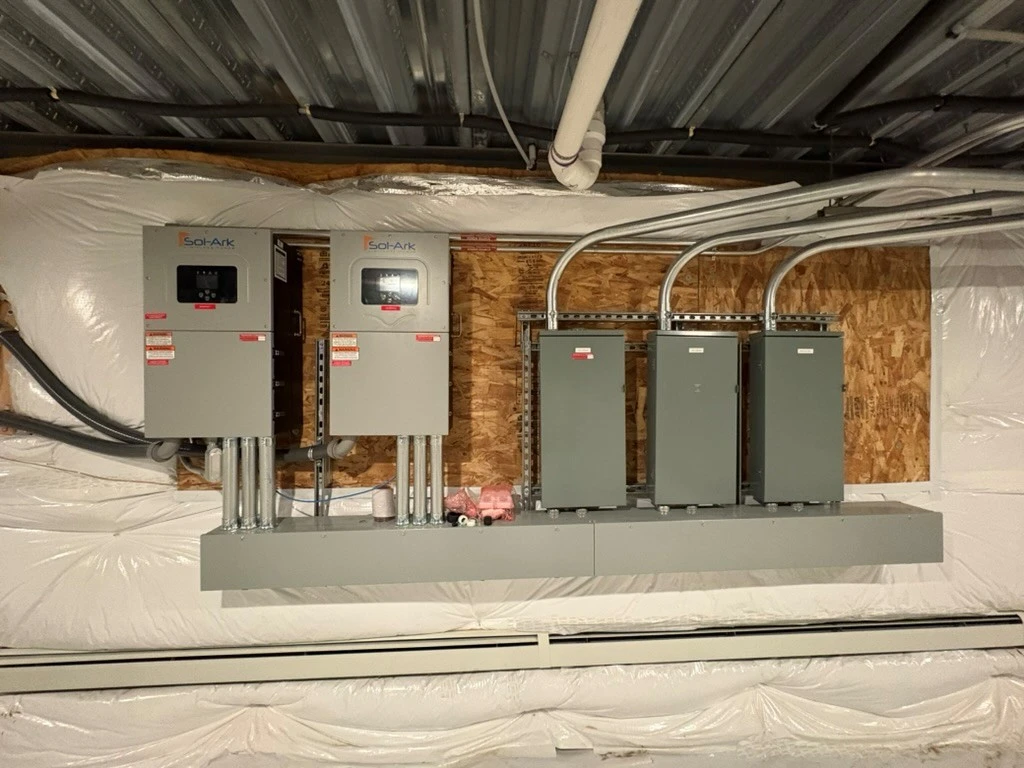
Solar is electrical work. It is also structural work. In Colorado, that combination matters. A system should be permitted before it is installed. It should also be inspected before it is turned on.
Ask how storm readiness fits the design.
How is wiring protected? How is racking selected? How does the layout account for roof planes and access? Who do you call after a severe hail event?
Those answers reveal the quality of the installer.
Build Storm Confidence Into Your Solar Decision With ARE Solar
Hail should not automatically stop a Broomfield homeowner from considering solar. It should shape the conversation.
Solar panels in Broomfield, CO need to be selected with storm exposure in mind. They also need to be installed like rooftop equipment that will face real weather. Snow, wind, hail, and sun all belong in the design conversation.
ARE Solar brings that perspective to the work. We design for Colorado conditions first.
If you are considering solar in Broomfield start with assessment. Ask about the roof. Ask about the panels. Ask about storm inspection and insurance coordination. Not assumptions about durability alone.
Get in touch with ARE Solar to schedule a practical solar assessment. Build the system around your roof, your energy use, and Broomfield’s real weather.