Commercial solar is often sold around installation cost. Incentives get attention too. Long-term savings usually lead the conversation.
Maintenance deserves a clearer place in that same conversation. A commercial system may produce for decades. The work does not end when the system reaches PTO.
For Denver businesses, the real question is simple. What does it take to keep a system producing for 20 years or more?
The answer depends on system size, roof conditions, inverter strategy, and how quickly issues are identified. Maintenance is not one fixed number. It is a function of design, monitoring, and site conditions.
Solar panels now commonly have long operating lives. That gives owners a long window to protect production. It also gives small problems time to grow.
For commercial properties, maintenance is asset protection. It keeps the system producing. It also helps owners catch small issues before they become expensive.
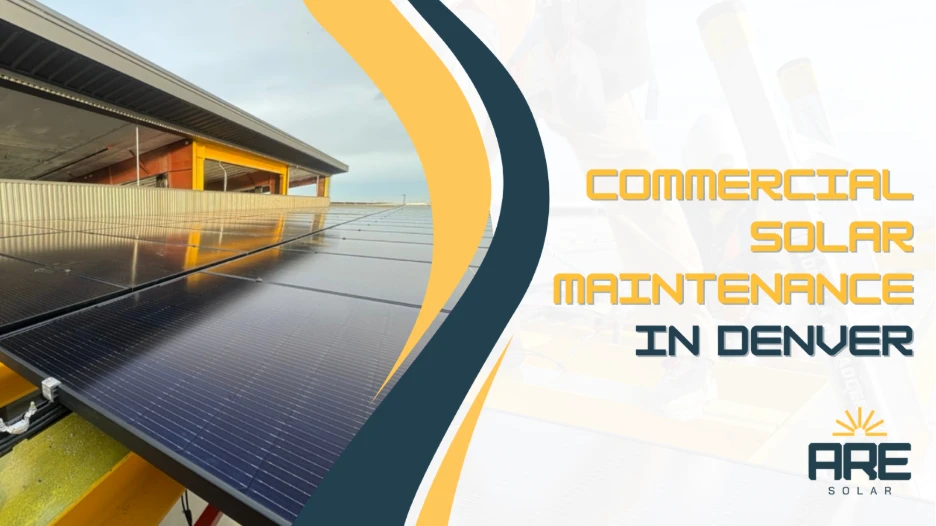
What Do Businesses Pay for Solar Maintenance Over 20 Years?
Most commercial systems require a predictable set of services. Monitoring, inspections, electrical checks, and occasional repairs form the core.
Over a 20-year span, costs are usually spread unevenly. Early years are light. Later years often include inverter service or replacement. That is typically the largest maintenance event in the lifecycle.
Some owners budget maintenance as an annual service cost. Others plan around a percentage of system value. The best number comes from the actual design.
NREL includes operation and maintenance in long-term PV cost analysis. That is the right frame. O&M is part of ownership, not an afterthought.
The best-maintained systems are usually watched consistently. Monitoring catches issues early. Service then protects the financial work the system is supposed to do.
Commercial Solar Maintenance in Denver: What Costs Are Included?
Maintenance is not a single action. It is a set of checks that keep the system aligned with expected production.
Typical categories include:
- System performance monitoring
- Visual inspections of modules and racking
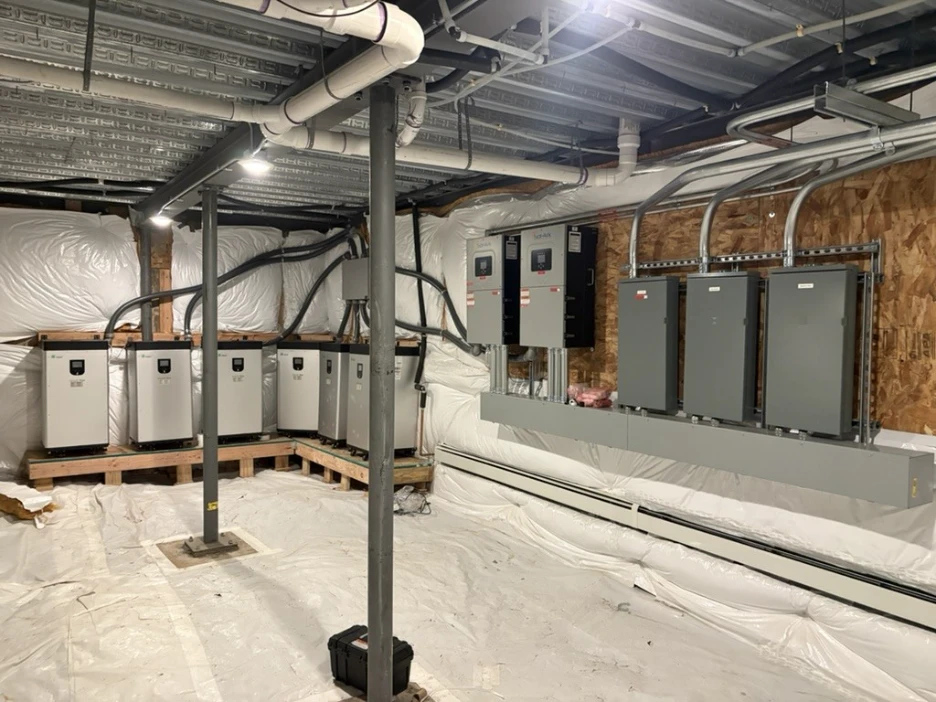
- Inverter diagnostics
- Electrical connection testing
- Storm and hail assessments
- Cleaning when performance data supports it
- Repair coordination and documentation
Not every system needs the same frequency. A logistics hub and a small office do not age the same way electrically or physically.
The design of the system usually determines the service profile more than the building type.
What Denver Conditions Can Affect Maintenance?
Denver conditions should be part of the plan. Snow, dust, hail, high UV exposure, and temperature swings all matter. They do not make solar fragile. They make inspection useful.
Maintenance in Denver is less about fixing damage. It is about confirming performance after exposure events that are part of the operating environment.
What Drives Solar O&M Costs Over a 20-Year Timeline?
Maintenance cost is not random. It follows design decisions made at installation.
Key drivers include system size, inverter architecture, roof access, monitoring quality, and site exposure.
Cost Factor Comparison
| Cost Factor | Why It Matters | What Businesses Should Review |
| System size | Larger systems have more equipment to monitor and inspect | Total capacity and number of arrays |
| Roof access | Harder access can increase labor time | Access points and layout |
| Inverter strategy | Inverters may require service or replacement over time | String, central, or microinverter setup |
| Monitoring quality | Better monitoring catches issues earlier | Alert setup and reporting frequency |
| Site exposure | Dust, snow, hail, and debris can affect performance | Weather exposure and nearby activity |
| Roof condition | Roof issues can complicate future service | Roof age, membrane type, warranty status |
A well-documented system is usually a lower-cost system over time. Not because it avoids issues, but because it reveals them early.
How Cleaning, Monitoring, and Repairs Affect Long-Term Solar Costs
Maintenance protects production. That matters because production is the financial engine. If the system is down, the savings are down too.
Cleaning is one example. Many commercial panels do not need frequent cleaning. Weather and system tilt may handle some buildup.
Other sites are different. Dust, bird activity, construction debris, or wildfire smoke residue can affect output. The right trigger is usually performance data.
Monitoring usually delivers more value than owners expect. Without it, an issue can sit for months. That means lost production and missed savings.
Repairs should be documented clearly. What failed? When was it found? What was fixed? What changed after the repair?
That record protects the owner. It also helps future service work move faster.
FAQs About Commercial Solar Maintenance Costs
How much maintenance does a commercial solar system need?
Most commercial solar systems need periodic inspections and ongoing monitoring. The right schedule depends on size, access, equipment, and exposure.
Many businesses plan inspections every one to two years. Weather events or monitoring alerts may justify earlier service. The system should tell you when something changed.
Do commercial solar panels need to be cleaned regularly?
Commercial solar panels do not always need frequent cleaning. Some sites perform well without scheduled cleaning. Others need it because of dust, birds, debris, or nearby work.
A performance-based plan usually makes more sense. If production drops without a clear reason, cleaning may be worth reviewing. Data should guide the decision.
What is usually the biggest solar maintenance cost?
Inverter service or replacement is often the larger long-term cost. Panels are typically long-lived. Inverters and monitoring components may need attention sooner. This should be planned early. The owner should know what equipment is installed. They should also understand expected service points.
Can poor maintenance reduce solar savings?
Yes. Poor maintenance can reduce savings when issues go unnoticed. A failed inverter or offline string can quietly cut production.
Monitoring and inspections help catch those issues. That protects the system’s output. It also protects the owner’s financial expectations.
Build a 20-Year Solar Maintenance Plan Before Problems Start
For companies evaluating commercial solar maintenance in Denver, the takeaway is simple. Maintenance belongs in the financial plan from the start.
A realistic 20-year plan should include monitoring. Maintenance becomes predictable when the system is transparent.
ARE Solar helps commercial owners understand that ownership picture. Design, monitoring, and service planning are connected from the beginning. Not separated after installation. That is how long-term performance is protected.
Not through intervention. Through visibility.
If your business is planning a new system or reviewing an existing one, now is the time to understand how it is performing, not just how it was installed. Contact ARE Solar today!