Warehouses use electricity differently than many other commercial buildings. Lighting, HVAC equipment, refrigeration, process loads, and charging infrastructure can create steady demand throughout the day. That operating profile often aligns well with solar production.
For many owners, warehouse solar in Denver is a financial decision before it is a sustainability initiative. Large roofs provide room for substantial photovoltaic arrays. Daytime operations create opportunities to consume that energy as it is generated. When production and consumption overlap, the economics often improve.
That does not mean every warehouse is automatically a fit. The roof, structure, utility data, and operations matter. So does the plan for the building. This article explains why warehouses and industrial buildings are strong candidates. It also explains what owners should review before moving forward.
Why Are Warehouses Ideal for Large-Scale Solar?
Warehouses are often strong candidates because of their shape. They usually have large roof planes. Many also have lower shading risk than smaller buildings.
The load profile matters just as much. Solar produces during the day. Warehouses often consume power during the day. That alignment can create stronger project value.
The strongest system is not always the largest system. It is the system that fits the building. That means matching production to actual energy use.
Modern photovoltaic systems are also built for longevity. The U.S. Department of Energy notes that solar installations are expected to operate beyond 25 years with maintenance. That makes early design decisions consequential.
Warehouse Solar in Denver: Why Large Roofs Create Strong Solar Potential
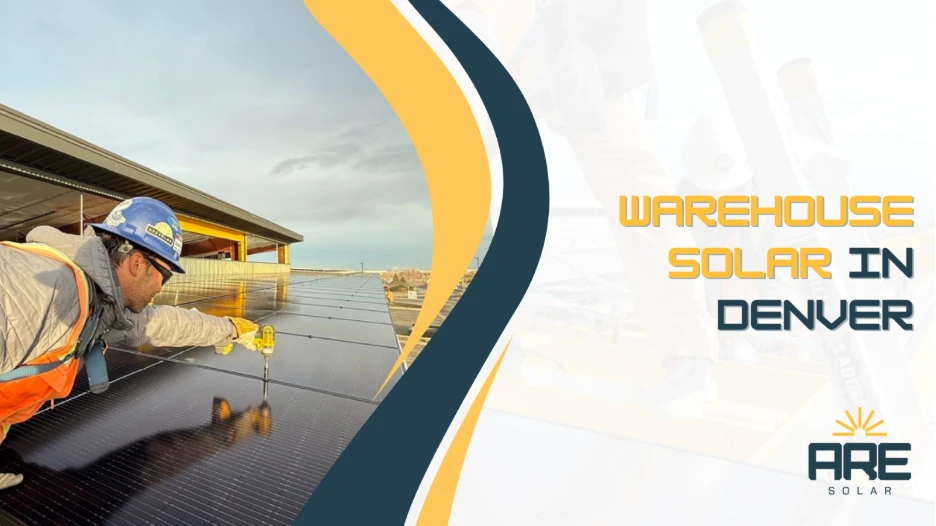
Large roof area is one of the clearest advantages. Many warehouses have wide, low-slope rooftops. Those roofs can support meaningful solar capacity without taking up ground space.
That makes commercial rooftop solar in Denver especially useful for industrial properties. Flat and low-slope roofs also allow flexible layouts. A system can be designed around drainage, roof access, mechanical equipment, and maintenance paths.
Roof condition matters as much as available space. An aging membrane or structural concern should be addressed before installation begins. Evaluating those factors early helps avoid unnecessary costs later in the project.
What Energy Loads Make Industrial Buildings Strong Solar Candidates?
Many industrial facilities maintain significant daytime electrical demand. Common loads include production equipment, ventilation systems, compressors, refrigeration, lighting, conveyors, and vehicle charging.
That pattern often matches when solar panels generate the most electricity. Using energy as it is produced can improve project economics and reduce reliance on grid purchases during business hours.
Colorado’s solar resource supports strong annual production. Actual savings still depend on how and when a facility consumes electricity. A warehouse operating daytime shifts may see different results than one running primarily overnight.
Logistics centers also present compelling opportunities. Dock equipment, automated systems, refrigerated storage, and electric fleet infrastructure can all contribute to sustained daytime demand. Solar becomes one component of broader energy planning rather than an isolated upgrade.
What Should Property Owners Evaluate Before Installing Solar?
Start with utility data. Twelve months of electric bills can show usage, demand, rate structure, and seasonal changes. That information matters more than guesswork.
The roof should come next. Age, membrane condition, drainage, access, shading, and structural capacity all affect feasibility. A large roof is only useful if it can carry the work.
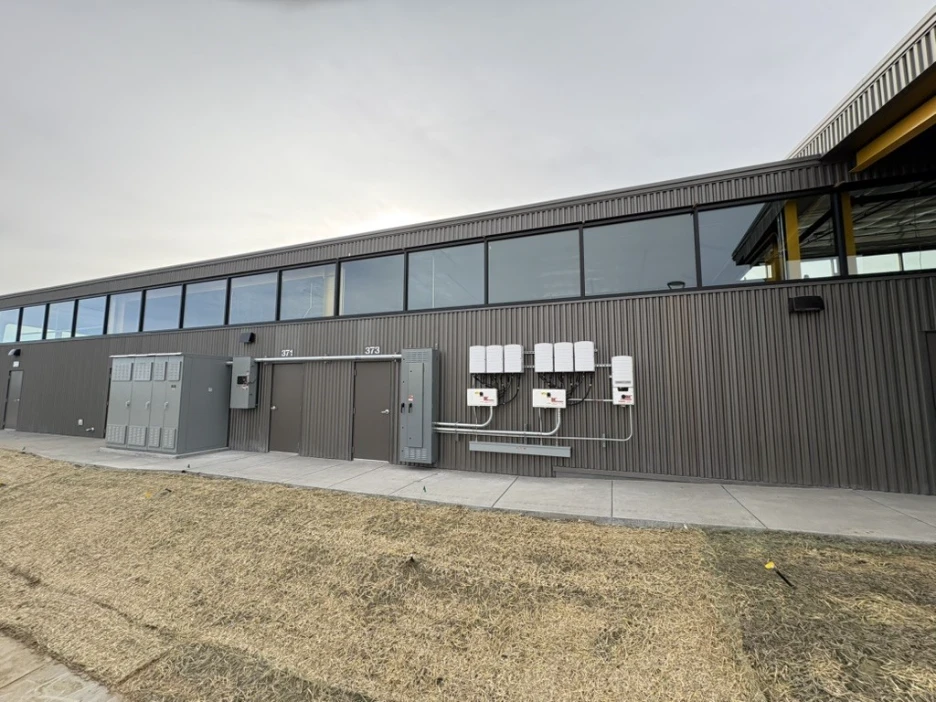
Electrical infrastructure also needs review. Panel capacity, service equipment, meter configuration, and interconnection requirements can affect the project. These details can change the schedule.
Owners should also think about the next ten years. Will the building add refrigeration? Will tenants add heavier loads? Will charging become part of operations?
Long-term occupancy matters too. A business that expects to stay can evaluate solar differently. A landlord may need a tenant-focused strategy.
System size should come from the building’s load profile. Bigger is not always better. A system should fit the usage, roof, utility rules, and financial goals.
This is where early planning changes outcomes. ARE Solar reviews site conditions, utility data, and project objectives before recommending a design. The work starts with facts.
FAQs About Warehouse and Industrial Solar in Denver
Is solar worth it for warehouses in Denver?
Yes, solar can be worth it for warehouses in Denver. Warehouses frequently combine substantial roof area with high daytime electricity demand. Those characteristics may create favorable conditions for long-term savings when the system is engineered around actual energy use.
Do flat warehouse roofs work well for solar panels?
Yes. Flat and low-slope roofs provide flexibility for array placement and maintenance access. Proper engineering remains essential because structural capacity, drainage, wind loading, and roof condition all affect system design.
What types of industrial buildings benefit most from solar?
Buildings with steady daytime operations often benefit most. That can include warehouses, distribution centers, manufacturing facilities, cold storage buildings, and logistics hubs.
The best candidates use power while solar produces. Heavy lighting, HVAC, refrigeration, machinery, and charging loads can strengthen the case.
How long does a commercial solar system usually last?
Many PV systems are planned around multi-decade service lives. Federal resources commonly describe PV lifespans exceeding 25 years. Performance still depends on maintenance and monitoring.
Turn Your Industrial Roof Into a Long-Term Energy Asset
Many warehouses already possess the ingredients for successful solar deployment. Large roofs provide installation space. Daytime operations create demand when panels produce electricity. Long ownership horizons allow businesses to capture value over decades instead of years.
Every facility is different. Roof condition, utility rates, expansion plans, and operating schedules all influence the outcome. Those variables deserve careful analysis before equipment arrives on site.
ARE Solar evaluates commercial projects through that lens. We review utility data, roof conditions, system size, and project feasibility. Then we build the plan.
If your warehouse or industrial facility has significant roof space and substantial daytime loads, now is a practical time to evaluate the opportunity. A year’s worth of utility data often tells a clearer story than assumptions. That information should shape decisions expected to last decades.
Reach out to ARE Solar to schedule a commercial solar consultation. We will help you understand whether your property is ready for a large-scale solar.