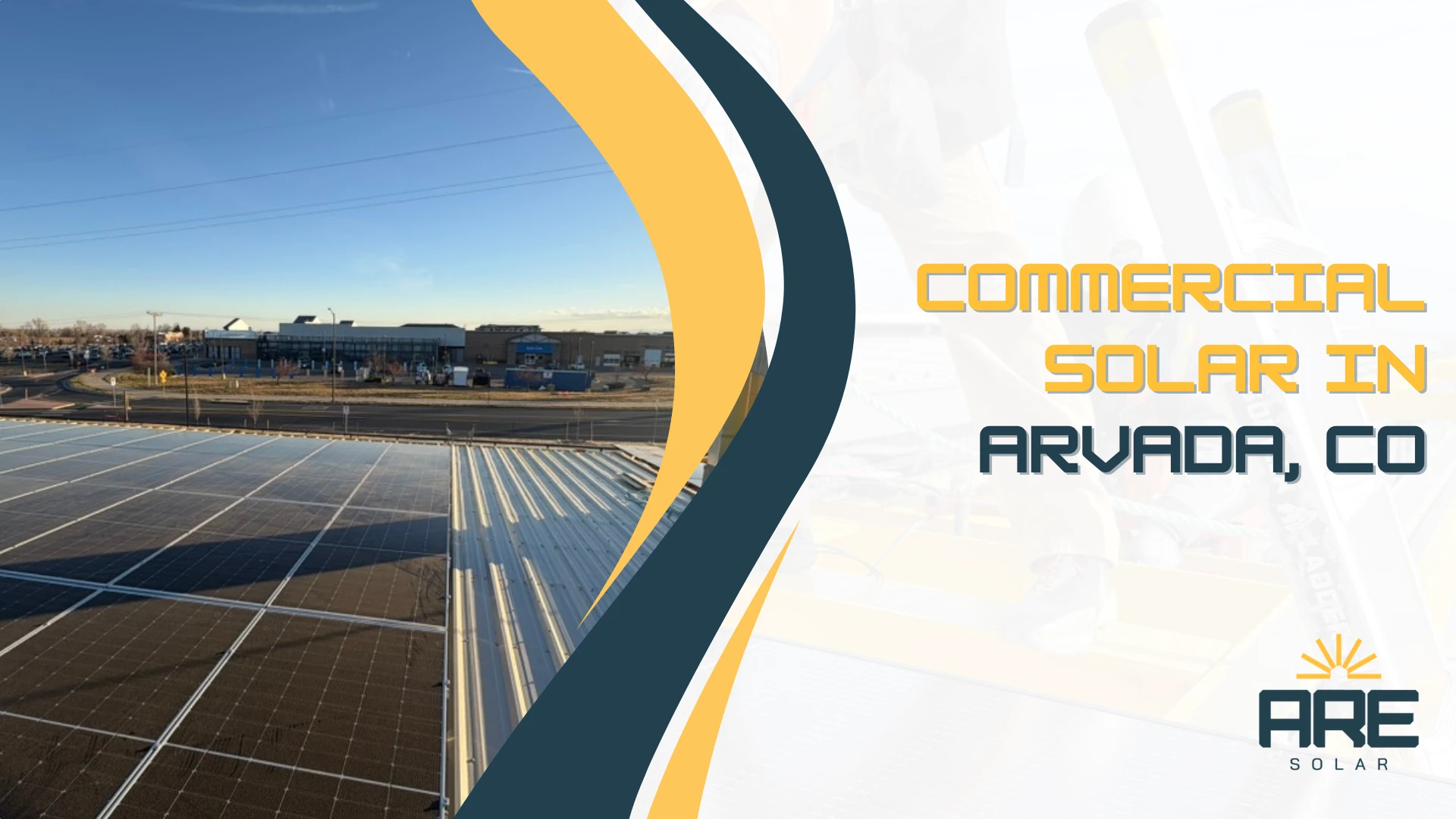
Commercial energy costs continue to rise across Colorado, and many businesses in Arvada are reevaluating how utility expenses affect long-term operational performance. In 2026, solar is no longer viewed only as an environmental initiative. It has become a strategic infrastructure investment tied directly to operating cost control, facility efficiency, and long-term financial planning. Businesses researching commercial solar in Arvada, CO are increasingly asking practical questions like: “Which industries benefit the most from solar?” and “Will our building actually see measurable savings?” The answer depends heavily on operational schedules, daytime electricity usage, facility size, and utility demand patterns.
According to the U.S. Energy Information Administration (EIA), commercial electricity prices have continued trending upward as energy demand and infrastructure costs increase nationwide. Businesses with large daytime operational loads often experience the strongest financial advantages from solar because energy production aligns closely with peak electricity usage. ARE Solar has worked with Colorado businesses evaluating how solar fits into broader operational and capital planning strategies rather than treating it as a standalone upgrade. Facilities with predictable energy demand, large roof space, and long-term property ownership goals tend to see the most substantial financial returns over time. The industries benefiting most from solar are often those trying to stabilize operational costs while reducing exposure to future utility volatility. This article explores which types of businesses in Arvada gain the greatest advantages from commercial solar and why certain industries consistently outperform others in long-term solar ROI.
Which Industries Benefit Most from Commercial Solar?
The industries that typically benefit most from commercial solar are those with:
- High daytime electricity usage
- Large operational facilities
- Consistent energy demand
- Long-term building ownership
- Significant HVAC or equipment loads
Warehouses, manufacturing facilities, office buildings, retail centers, and industrial properties often generate the strongest financial returns because their energy consumption aligns closely with daytime solar production.
In simple terms, the more electricity a business uses during daylight operating hours, the more opportunity solar has to offset expensive utility costs. Businesses with larger facilities also tend to have more available roof space for system installation.
Commercial solar systems commonly provide:
- Lower long-term electricity expenses
- Reduced exposure to utility rate increases
- Improved operational budgeting control
- Stronger long-term property value potential
The bottom line is that solar performs best when production closely matches operational energy demand. ARE Solar often helps commercial clients evaluate whether their facility’s energy profile supports strong long-term solar performance before system design begins.
Commercial Solar in Arvada, CO: Which Industries See the Strongest ROI?
Not every business uses electricity the same way. Some industries naturally align better with solar production because of operational timing, equipment demand, and facility layout.
Manufacturing Facilities Often Generate High Solar Savings
Manufacturing operations frequently consume large amounts of electricity during daytime production hours. Equipment loads, machinery, ventilation systems, and climate control requirements can create substantial utility expenses throughout the workday.
This is one reason solar for manufacturing in Colorado continues growing as energy costs rise. Facilities operating five or more days per week during daylight hours often see strong long-term savings potential because solar production directly offsets active operational demand.
Manufacturing facilities may also benefit from:
- Large rooftop installation space
- Stable long-term occupancy
- High energy consistency
- Significant peak demand reduction opportunities
Warehouses and Distribution Centers Are Strong Solar Candidates
Warehouses and logistics facilities often operate with large square footage and relatively unobstructed roof layouts, making them ideal for commercial solar installations.
Many organizations evaluating warehouse solar in Arvada are focused on reducing operating expenses tied to lighting, HVAC systems, refrigeration, charging equipment, and material handling operations.
Warehouses often benefit because:
- Roof space is extensive
- Energy demand remains predictable
- Operational schedules align with solar production
- Facilities typically remain occupied long term
These characteristics can help improve overall commercial solar ROI significantly.
Why Office Buildings and Commercial Properties Benefit from Solar
Office buildings and multi-tenant commercial properties are increasingly investing in solar as part of broader operational planning and building modernization efforts.
Daytime Occupancy Aligns Well With Solar Production
Office properties typically consume the most electricity during standard business hours, which aligns closely with peak solar generation periods.
This timing can create strong opportunities for office solar energy savings, especially for larger commercial campuses or multi-story office facilities with significant HVAC demand.
Solar Can Support Long-Term Building Efficiency Goals
Commercial property owners are increasingly evaluating solar alongside:
- Energy efficiency upgrades
- HVAC modernization
- Smart building systems
- EV charging infrastructure
- Tenant sustainability initiatives
These improvements often work together to strengthen overall facility performance and long-term operational efficiency.
ARE Solar frequently works with businesses evaluating how solar integrates into larger facility improvement strategies rather than functioning as a standalone energy project.
What Makes Certain Businesses Better Solar Candidates?
The strongest solar candidates usually share several operational characteristics regardless of industry.
High Daytime Energy Demand Matters Most
Facilities operating primarily during daylight hours often achieve stronger financial performance because solar production offsets expensive utility consumption in real time.
Businesses with overnight-heavy operations may still benefit from solar, but savings performance can differ depending on operational timing and utility rate structure.
Facility Ownership Impacts Long-Term ROI
Commercial solar systems are long-term infrastructure investments. Businesses planning to remain in a property for many years often experience stronger cumulative financial benefits compared to short-term tenants.
Roof Condition and Building Design Influence System Performance
Factors affecting solar performance include:
- Roof orientation
- Shading conditions
- Available installation space
- Structural capacity
- Utility interconnection requirements
This is why experienced system planning matters. ARE Solar typically evaluates operational data, building conditions, and future expansion considerations before designing commercial systems.
How Commercial Solar Is Shaping Business Planning in 2026
Commercial solar adoption is becoming increasingly connected to broader financial and operational strategy across Colorado.
Businesses Are Thinking Beyond Monthly Utility Bills
A growing number of companies now evaluate energy expenses similarly to other controllable operational costs. Instead of reacting to utility increases each year, businesses are exploring infrastructure investments that provide greater long-term stability.
Operational Predictability Is Becoming More Valuable
Businesses that reduce operational volatility often strengthen long-term financial planning capabilities. Stable energy expenses can support better forecasting, improved facility management, and stronger scalability over time.
For many industries, commercial solar is increasingly viewed as an operational efficiency strategy rather than simply an environmental initiative.
Frequently Asked Questions About Commercial Solar for Businesses
Which industry benefits most from commercial solar?
Manufacturing facilities, warehouses, office buildings, and large commercial properties often experience the strongest financial returns because of high daytime electricity usage.
How long does commercial solar usually last?
Most systems are designed to operate efficiently for 25 years or longer with proper maintenance and monitoring.
Does solar work well for warehouses?
Yes. Warehouses often have large roof space and predictable daytime operational loads that align well with solar production.
Is commercial solar still financially worthwhile in 2026?
For many businesses, rising utility costs and long system lifespans continue making commercial solar financially attractive in Colorado.
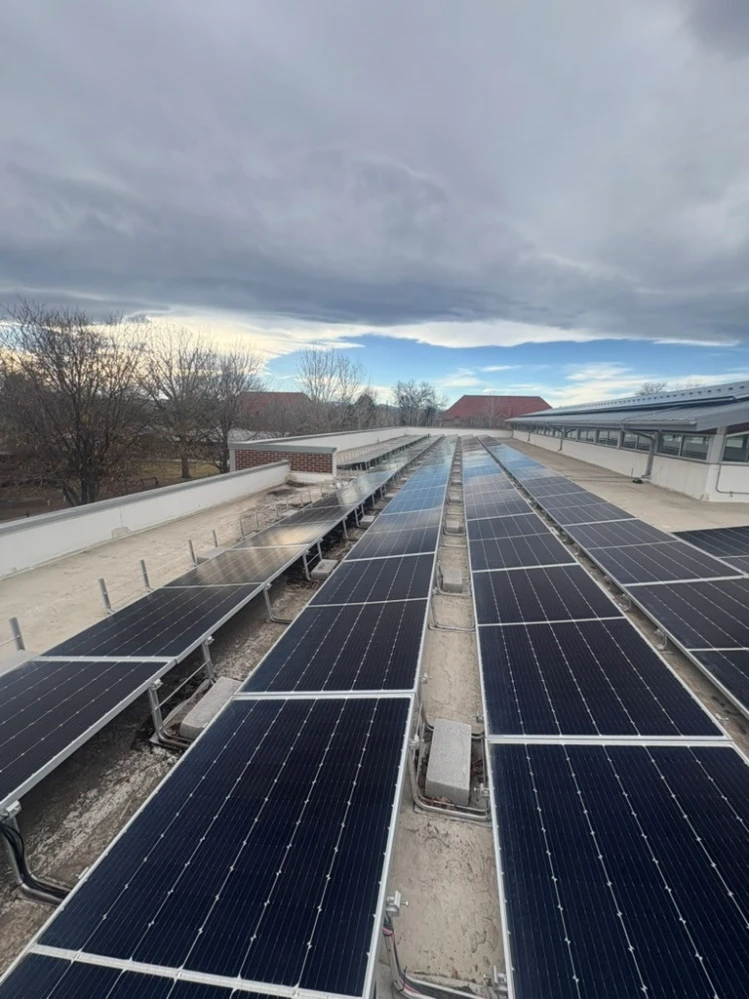
The Industries Winning Long-Term Energy Stability Are Planning Ahead
Businesses benefiting most from solar are often those taking a proactive approach to long-term operational planning rather than reacting to rising utility expenses after costs increase. Commercial energy rates continue fluctuating across Colorado, and industries with large daytime operational loads are increasingly evaluating how infrastructure investments can improve long-term financial performance. Companies that understand their energy usage patterns early are often better positioned to capture stronger lifetime savings opportunities.
ARE Solar works with commercial property owners throughout Colorado to evaluate facility energy consumption, long-term operational goals, and projected system performance before installation begins. Whether your business operates a warehouse, manufacturing facility, office building, or multi-tenant commercial property, understanding how solar aligns with your operational profile is the first step toward building greater financial stability over time.
For organizations evaluating commercial solar in Arvada, CO, the biggest opportunity is often gaining more control over future operating expenses while reducing exposure to utility rate volatility. The industries seeing the strongest solar ROI are typically those making strategic energy decisions before rising costs create larger operational pressure. Reach out to ARE Solar today to schedule a commercial solar consultation and explore how your facility could benefit from long-term energy savings and operational efficiency.