Energy costs across Colorado continue to evolve as utilities modernize infrastructure, expand grid capacity, and respond to growing electricity demand. In Longmont, business owners are paying closer attention to long-term energy planning as utility policies and energy pricing continue to shift. This has led many to evaluate whether installing solar panels in Longmont, CO still makes financial sense in 2026.
For many, solar is still financially worthwhile in 2026, especially when systems are designed around actual energy usage, local utility policies, and long-term electricity costs. While Longmont’s municipal utility structure differs from Xcel Energy territory, many still see meaningful value through lower lifetime utility expenses, improved energy predictability, and protection against future rate increases.
The reality is that solar economics depend heavily on system design and how accurately projections are modeled. Roof orientation, daytime energy usage, export compensation policies, and future electrification plans all influence financial performance. Some achieve stronger savings than others because their systems align more closely with how their facilities consume energy.
That is why solar is increasingly being evaluated as a long-term financial decision rather than a short-term upgrade. Companies like ARE Solar help commercial property owners analyze these variables through site-specific engineering, realistic production assumptions, and Colorado-focused modeling rather than generalized national estimates.
Is Solar Worth It in Longmont, CO in 2026?
Updated for 2026 based on current Longmont utility structures and Colorado solar economics.
For many businesses, yes. Solar can still provide strong long-term value in Longmont when systems are designed around actual energy usage, utility compensation policies, roof conditions, and future electricity costs. While Longmont Power & Communications operates differently from investor-owned utilities like Xcel Energy, many still pursue solar for predictable energy costs, long-term savings potential, and greater energy independence.
In many cases, those who consume more electricity during daylight hours see stronger financial outcomes because they offset retail electricity costs directly rather than exporting excess energy back to the grid.
The bottom line is simple: solar tends to perform best when the system is designed around how your business actually uses electricity.
Why Solar Panels in Longmont, CO Produce Different ROI Outcomes
Longmont’s municipal utility structure changes how solar economics work compared to many surrounding Colorado communities.
Longmont Power & Communications uses its own compensation structures and interconnection policies, which means savings calculations differ from those served by Xcel Energy. Existing systems installed under earlier net metering structures may retain more favorable export arrangements, while newer systems may operate under updated value-of-solar frameworks. (longmontcolorado.gov)
This matters because solar ROI is heavily influenced by how excess electricity is credited.
Commercial facilities that use more electricity during daytime production hours often see stronger returns because they offset full retail electricity costs directly. Facilities with lower daytime consumption may export more power back to the grid, where compensation rates may differ.
Future electrification also changes the equation. Business owners planning to install EV chargers, electric appliances, or heat pumps may benefit from larger systems that account for rising future electricity demand.
ARE Solar has worked with Colorado businesses across different utility territories, including municipal utilities with compensation structures that differ significantly from investor-owned utilities. Because solar economics vary between jurisdictions, localized engineering and utility modeling remain essential for accurate financial forecasting.
What the Cost of Solar in Longmont Looks Like in 2026
The cost of solar in Longmont in 2026 depends on roof complexity, system size, equipment selection, and whether battery storage is included.
Commercial solar projects vary significantly in scale. Smaller commercial systems may begin around 25 kW to 50 kW, while larger facilities, industrial operations, and multi-building properties can require systems exceeding several hundred kilowatts depending on operational load and electrification goals.
Longmont’s municipal electricity rates are often lower than some neighboring Colorado cities, which can slightly extend payback timelines compared to higher-rate utility territories. However, long-term energy savings can still remain substantial over a 25-year system lifespan.
Solar panels also degrade slowly over time. Most modern systems lose approximately 0.25% to 0.5% production annually depending on equipment quality and environmental conditions. Accurate long-term modeling should account for these performance reductions.
This is where thoughtful financial analysis matters. Unrealistic assumptions can distort projected savings, while conservative modeling often creates more reliable expectations.
How Energy Usage Affects Solar Savings in Longmont
One of the biggest drivers of solar value is not the panels themselves, but how your business consumes electricity.
This directly impacts solar savings Longmont commercial property owners may experience over time.
Those with higher daytime energy usage often maximize solar value because they consume more electricity while the system is actively producing. Businesses with lower daytime demand may rely more heavily on export compensation rates, which can affect financial outcomes.
This is one reason why two properties with nearly identical roofs can produce very different ROI results.
Colorado’s climate also supports strong annual solar generation due to high elevation and strong sunlight exposure. However, shading, snow accumulation, roof orientation, and seasonal consumption patterns all influence real-world performance.
Generic online savings calculators rarely account for these variables accurately. Site-specific modeling typically produces more realistic projections.
How Solar ROI in Colorado Has Changed
The conversation around solar ROI in Colorado has become more financially disciplined in recent years.
Earlier solar markets often emphasized aggressive payback claims and simplified savings projections. Today, owners are asking more detailed questions about utility policy, electricity escalation rates, and long-term operating costs.
Electricity pricing across Colorado has generally trended upward over the past decade as utilities invest in grid modernization, wildfire mitigation, and renewable integration. While Longmont operates under a municipal utility structure, long-term energy costs still remain an important financial consideration.
Many now evaluate solar based on:
- Long-term electricity cost stability
- Lower exposure to future utility increases
- Reduced lifetime utility spending
- Increased property value potential
- Future electrification readiness
This creates a more balanced framework for evaluating solar as a long-term asset rather than a short-term purchase.
Does Solar Save Money in Colorado?
Solar can reduce long-term electricity spending when systems are accurately sized and aligned with energy usage. The amount saved depends on electricity rates, financing structure, roof conditions, and utility compensation policies.
Some prioritize maximum ROI. Others prioritize stable operating costs and reduced exposure to future utility increases.
Both approaches can support a financially rational solar investment when modeled correctly.
Does Longmont Power & Communications Pay for Excess Solar Energy?
Yes, though compensation structures vary depending on installation timing and current utility policy.
Some older systems may operate under grandfathered net metering arrangements, while newer systems may receive compensation through updated value-of-solar structures. (longmontcolorado.gov)
Understanding how exported electricity is valued remains one of the most important factors in accurate solar ROI modeling for Longmont business owners.
FAQ: Solar in Longmont, CO in 2026
Are solar panels worth it in Longmont?
For many, solar remains financially worthwhile when systems are designed around actual energy usage and long-term utility trends. Savings outcomes depend on compensation structures, electricity usage patterns, and system design accuracy.
How much can solar lower electric costs?
The amount varies by facility. Businesses with strong daytime electricity usage often offset a larger portion of retail utility costs, which can improve overall savings.
Do batteries improve solar ROI?
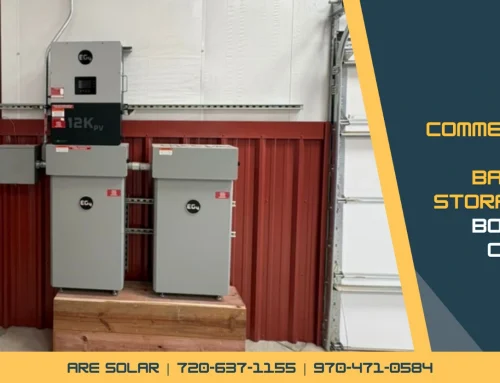
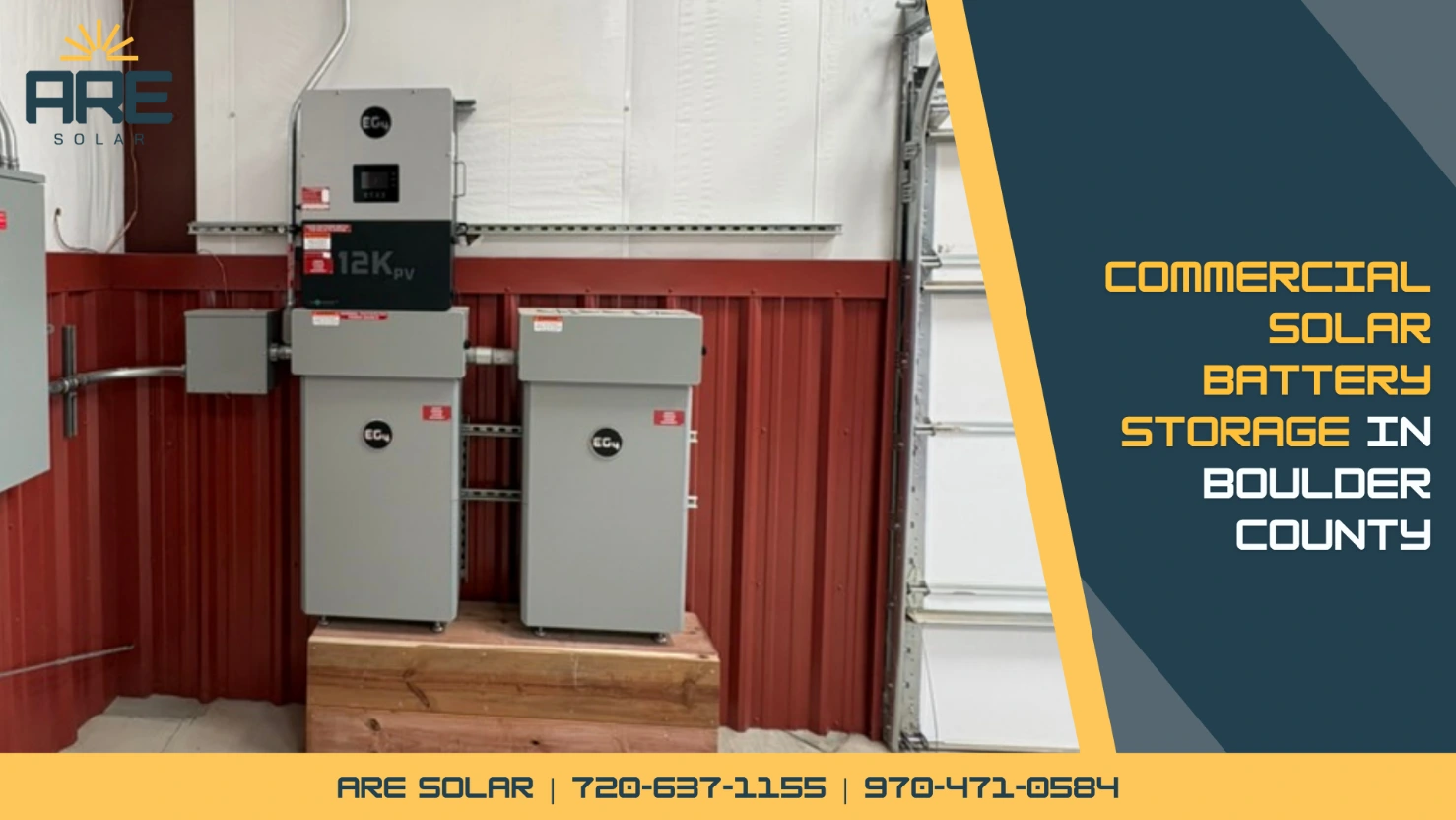
Batteries can improve resilience and increase solar self-consumption, though they also increase upfront project costs. Financial impact depends on business goals and utility rate structure.
Does Colorado weather support strong solar production?
Yes. Colorado’s high elevation and strong sunlight exposure support strong annual solar generation potential, though snow, shading, and roof orientation still influence performance.
Build a Smarter Energy Plan for 2026
Let’s Evaluate the Real ROI of Solar for Your Longmont Business
If you are considering solar panels in Longmont, CO, the most important step is understanding how your utility structure and long-term electricity usage shape financial performance.
At ARE Solar, we help evaluate solar through engineering-based modeling, Colorado-specific expertise, and transparent financial assumptions. We focus on realistic production forecasts, long-term operating value, and system designs built around actual conditions.
Contact us today and let’s assess your roof, energy usage, and future energy goals to determine whether solar aligns with your facility’s long-term operational and financial goals in 2026.