Designing solar for commercial properties in Larkspur, Colorado demands a fundamentally different approach than installations in flatter, lower-elevation regions. This area of Douglas County sits at a higher altitude with frequent snow events, temperature swings, and strong seasonal winds. For business owners considering commercial solar energy systems in Larkspur, these environmental realities shape everything from structural engineering to long-term system performance. Snow load and wind ratings are not abstract concepts here—they are design drivers. Ignoring them can lead to delayed permits, costly redesigns, or premature system wear. When addressed correctly, however, these same conditions can support highly efficient and resilient solar installations.
Larkspur’s climate rewards preparation and penalizes shortcuts. That’s why local experience and climate-specific engineering matter so much in commercial solar design. A system built for these conditions protects both the building and the investment over decades of operation.
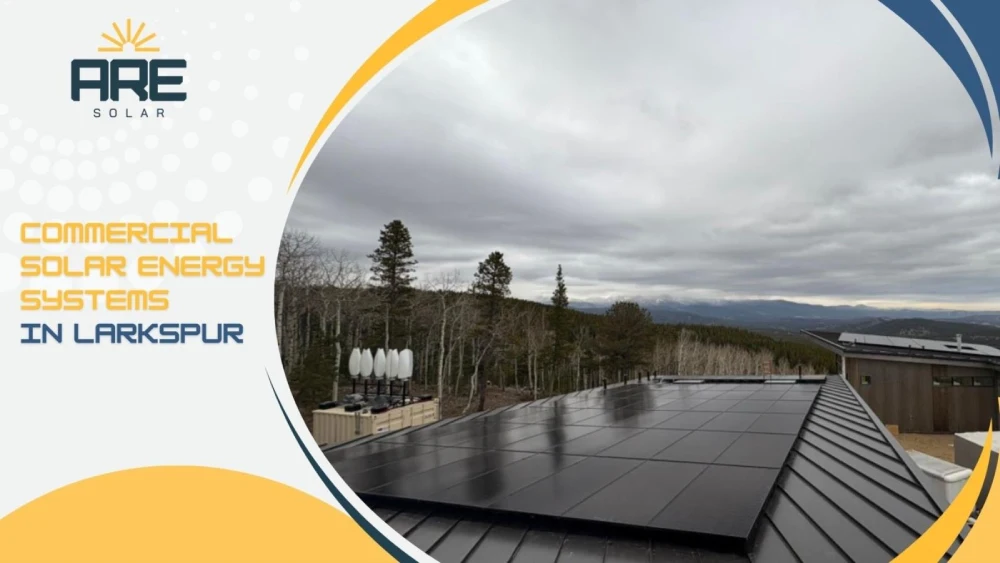
Commercial Solar Energy Systems in Larkspur: Why Local Climate Engineering Matters
Larkspur’s location along the Front Range foothills exposes commercial buildings to weather patterns that differ sharply from nearby metro areas. Snowfall is often heavier, wind speeds are less predictable, and temperature fluctuations are more pronounced. These factors place unique stress on rooftop and ground-mounted solar arrays. Professionals must calculate structural loads using localized data rather than regional averages.
Many commercial solar energy companies in Larkspur emphasize site-specific analysis because generic designs simply do not perform well here. Proper engineering ensures that systems remain secure during winter storms while still maintaining optimal production throughout the year. Climate-driven design is not optional but foundational.
Snow Load: The Structural Variable That Drives Design
How Snow Accumulation Impacts Commercial Roofs
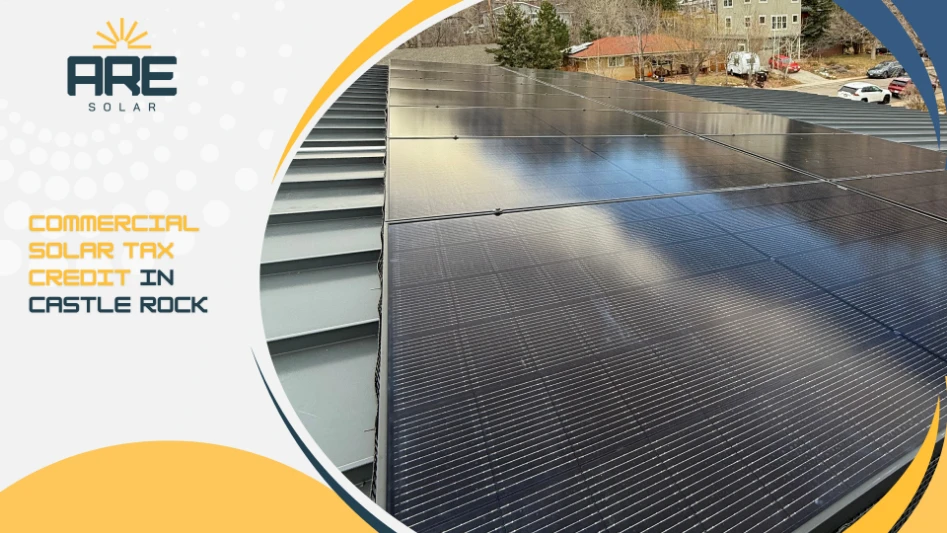
Snow load refers to the total weight of snow that can accumulate on a roof during peak conditions. In Larkspur, snow can linger longer due to colder temperatures and shaded roof planes. When solar panels are added, they can change how snow drifts and accumulates, creating concentrated load zones. Engineers must account for these conditions to prevent excessive stress on roof trusses and decking.
Douglas County Codes and Engineering Requirements
Douglas County enforces strict snow load standards that often exceed those used in lower-elevation jurisdictions. These requirements influence attachment spacing, rail strength, and allowable array size. ARE Solar incorporates these county-specific considerations early in the planning phase, which helps streamline permitting and reduce construction delays.
Wind Ratings and Uplift Forces at Higher Elevations
Why Wind Matters as Much as Snow
While snow load is a visible concern, wind can be equally destructive if not properly addressed. Larkspur’s open terrain and elevation increase exposure to uplift forces that attempt to pull panels away from the roof surface. Solar arrays act like sails during high-wind events, especially on large commercial buildings.
Engineering for Stability, Not Just Attachment
Wind ratings determine how racking systems are anchored and whether additional reinforcement is required. Engineers evaluate roof height, building exposure category, and prevailing wind directions. These factors influence system layout and mounting selection. Professionals, including ARE Solar, prioritize wind analysis alongside snow calculations to create balanced, resilient designs. This comprehensive approach is a hallmark of established commercial solar energy companies in Larkspur that understand the region’s environmental risks.
Mounting Systems Designed for Mountain Conditions
Choosing the Right Racking Strategy
Not all mounting systems perform equally under heavy snow and high wind. In Larkspur, reinforced rail systems and increased attachment points are often necessary. These decisions affect both upfront cost and long-term reliability.
Protecting Roof Integrity and Warranties
Improper mounting can compromise roof membranes, leading to leaks and voided warranties. Climate-aware installers carefully coordinate solar attachment methods with existing roofing systems. ARE Solar regularly collaborates with structural engineers and roofing professionals to ensure compatibility, minimizing risk while maximizing durability.
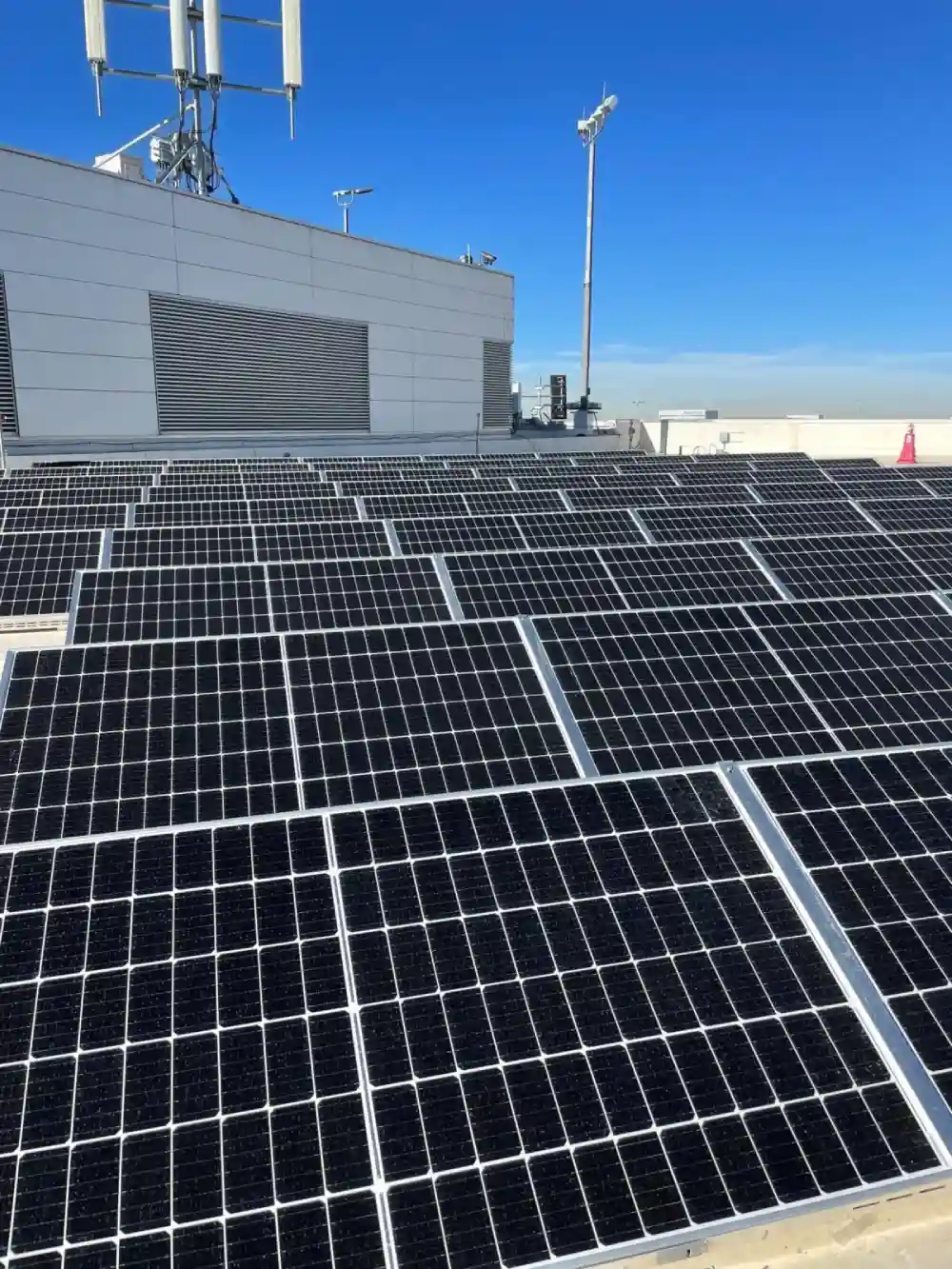
Built for Wind, Snow, and Long-Term Performance — The ARE Solar Approach
Larkspur’s climate demands solar designs that are intentional, engineered, and locally informed. Every decision, from panel spacing to mounting hardware, must account for snow accumulation and wind exposure. ARE Solar approaches these challenges with a climate-first mindset, helping businesses invest confidently in commercial solar energy systems in Larkspur that are built to last. We understand that durability and performance go hand in hand, especially in demanding environments like Douglas County. We design with the expectation that systems will face heavy snow, strong winds, and decades of use. Our goal is not just installation, but resilience.
Ready to own a system that stands up to the elements and works for your business? Call us today and explore how climate-aware solar design can protect your investment and support your energy goals.