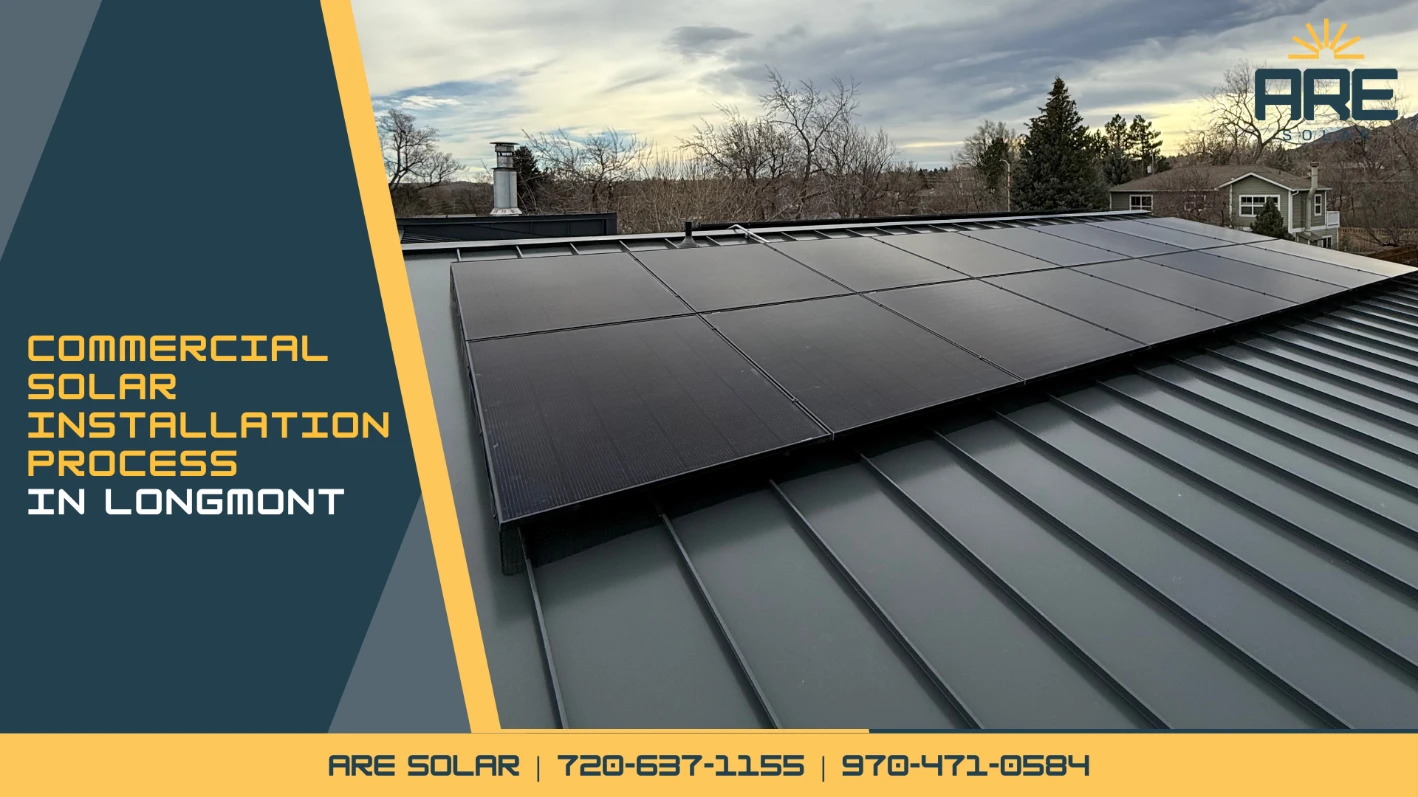
Broomfield sits high on the Front Range. That matters for solar.
At roughly 5,300 feet above sea level, the city has a real elevation advantage. The air is thinner here. Sunlight has less atmosphere to move through. That can help more solar radiation reach a roof.
This is one reason Colorado performs strongly in solar production. Not because it is always hot, but because it is consistently bright at altitude. Solar panels do not need heat to perform. They need photons hitting silicon with consistency. Broomfield delivers that condition often across the year.
But elevation is not the whole story.
Solar panels in Broomfield, CO still need the right roof conditions. Shade, roof direction, and panel layout still matter. So does the way the system is wired, permitted, installed, and turned on.
That is where local design earns its keep.
At ARE Solar designs systems for Colorado conditions. We do not treat elevation as a guarantee. We treat it as a design variable.
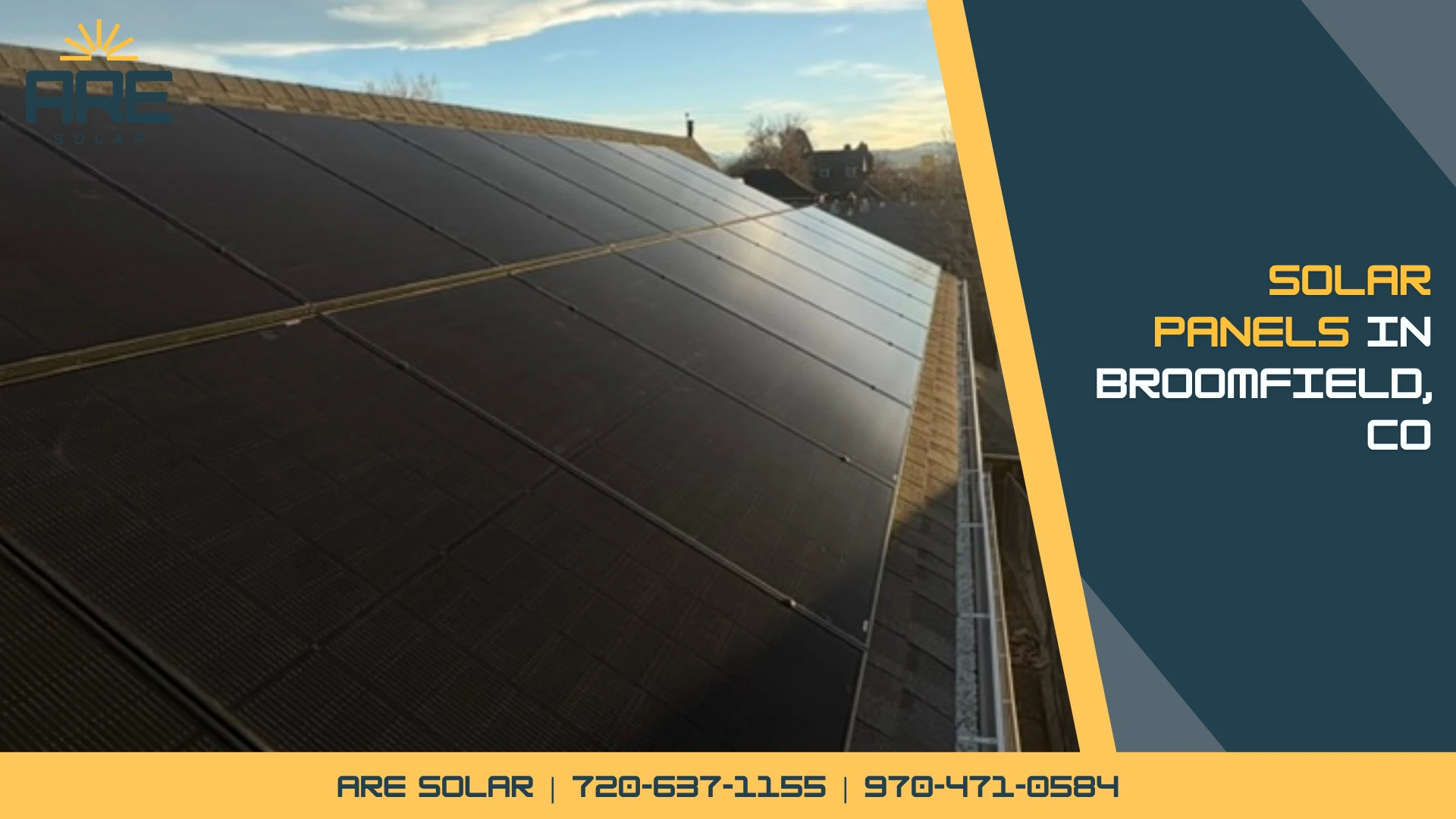
Does Broomfield’s Elevation Really Help Solar Panels Produce More Power?
Solar panels do not need heat to work. They need light. That distinction matters in Colorado. A cold, clear day can still be productive. The U.S. Department of Energy notes that cooler air helps PV modules operate more efficiently.
Heat can work against electrical output. Solar cells often lose voltage as temperatures rise. That is one reason hot weather does not automatically mean better solar production.
Broomfield has the right kind of tension. Bright sunlight. Cooler air. Real seasonal swings. That combination can be good for solar, when the system is designed correctly.
Elevation does not fix poor design. A shaded roof will still be shaded. A weak layout will still underperform. A rushed installation will still create problems later.
The physics are helpful. The craft still matters.
Why High Elevation Improves Solar Conditions in Broomfield
Sunlight changes as it moves through the atmosphere. Some light gets scattered. Some gets absorbed. At higher elevation, there is less atmosphere above the roof.
That can mean stronger solar exposure at the panel surface.
Broomfield also benefits from its Front Range position. The city gets open skies and strong daylight. It also gets snow, wind, hail, and hard temperature swings. Colorado gives solar systems a strong resource. It also tests the work.
That is why solar design should never stop at sunshine.
A real assessment looks at the whole property. It considers roof planes, tree cover, vents, dormers, chimneys, and nearby structures. It also looks at daily energy use. Morning and afternoon demand can change how a system should be arranged.
The National Renewable Energy Laboratory’s PVWatts Calculator is a useful example of how professionals estimate solar production.
That matters because national averages can mislead homeowners. Two identical systems can perform differently by zip code, even within the same city boundary.
How Solar Panels in Broomfield, CO Can Benefit From Cooler Operating Temperatures
A lot of homeowners still connect solar with desert heat. That is understandable. It is also incomplete.
Solar panels convert light into electricity. They are not collecting warmth. When panels get too hot, electrical performance can decline. Cooler temperatures can help the system hold voltage better.
That makes Colorado different from the picture many people carry.
A sunny winter morning can be productive. So can a clear spring day. Cooler summer mornings can also help. The question is not whether Broomfield gets enough heat. The question is how much usable sunlight reaches the roof.
This matters during system modeling.
A proposal should account for local weather patterns. It should account for roof angle and direction. It should account for seasonal production changes. It should also explain the assumptions behind the numbers.
If the proposal cannot explain the model, something is missing.
What Can Reduce Solar Output Even With Broomfield’s Elevation Advantage?
Broomfield’s elevation helps. It does not overcome every site issue.
Shade is one of the biggest factors. Trees, chimneys, dormers, and nearby buildings can block key sunlight. Even partial shade can matter. The effect depends on the equipment and system design.
Roof direction also matters.
South-facing roof planes often capture strong midday production. East-facing panels can help morning use. West-facing panels can support later-day energy patterns. The right answer depends on the household.
A good solar design should follow the way the property uses power. It should not just chase the largest panel count.
Cold weather does not stop solar production. Snow cover can. If snow blocks sunlight, production drops until the panels clear. Tilt, sun exposure, roof access, and weather patterns all matter.
This is why Colorado solar should be modeled across the year. No system produces the same amount every month. That is normal. The annual picture matters more than one snowy week.
Wind and hail deserve attention too.
Broomfield sits in real Colorado weather. Racking, attachments, roof condition, and permitting all need care. Solar is electrical work. It is also construction. Both sides matter.
FAQs
Do solar panels work better at higher elevations?
Yes, solar panels can work well in Broomfield. The city has strong sunlight, high elevation, and cooler operating conditions. The roof still determines the result. Shade, orientation, layout, and installation quality all matter.
Is Broomfield too snowy or cold for solar panels?
No, Broomfield is not too cold for solar. Panels use light, not heat. Cold temperatures can support panel efficiency. Snow can reduce production when it covers the panels. That is why seasonal modeling matters.
Do solar panels perform better at higher elevations?
They can. Higher elevation can allow more direct solar radiation to reach panels. But elevation is only one factor. A shaded or poorly designed system can still underperform. The site-specific design matters most.
What matters most for solar panels in Broomfield, CO?
The most important factor is real property design. Broomfield has good solar conditions. The system still needs to match the roof, energy use, utility rules, and future plans.
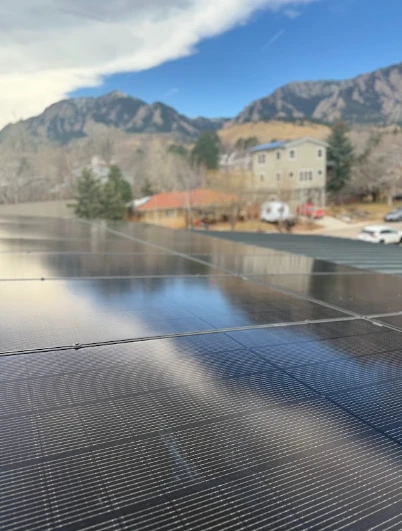
Turning Broomfield’s Elevation Advantage Into Everyday Energy
Broomfield’s elevation creates favorable solar conditions. That includes strong irradiance and cooler operating temperatures. Both contribute to efficient energy production potential.
But potential is not the same as performance. Performance comes from design precision and execution quality. That is where systems succeed or underdeliver.
ARE Solar brings that kind of solar design to Broomfield homeowners. Our team understands Colorado roofs. We measure roof behavior, not just sunlight availability. We model usage, not just equipment output.
If you are comparing solar panels in Broomfield, CO, start with the roof. Start with the actual conditions. Then build the numbers from there.
Get in touch with ARE Solar to schedule a property-specific solar assessment. Find out what your roof can produce. Then decide with the facts in front of you.