Designing and building a new home creates a rare opportunity to integrate energy efficiency from the ground up instead of retrofitting it later. For homeowners planning new construction solar installation in Erie, early coordination between builder, architect, and solar designer can dramatically improve long-term performance and cost savings. Erie, Colorado is uniquely positioned for solar adoption thanks to strong sunlight exposure and continued residential growth across the Front Range.
Beyond sunshine, planning solar during construction allows homeowners to optimize roof orientation, electrical infrastructure, and structural support before drywall and finishes are installed. This reduces labor costs, improves system aesthetics, and often increases total system output potential. Erie’s mix of new developments, custom homes, and expanding neighborhoods makes solar-ready construction especially valuable. When solar is treated as part of the home design instead of an add-on, the entire system performs better for decades. The sections below break down the most critical planning factors for solar success in new home construction.

Land Positioning and Climate Factors in Erie, CO
Solar Resource Availability in the Front Range
Erie benefits from high solar irradiance and relatively dry air, which allows panels to operate efficiently compared to more humid regions. With Colorado’s high number of sunny days annually, solar systems can generate consistent energy year-round, even accounting for seasonal snow.
Plot Orientation and Building Placement
When planning a new home build, lot orientation directly influences solar production potential. South-facing roof planes typically produce the most energy in Colorado, followed by southwest and southeast exposures. Poor lot orientation doesn’t make solar impossible, but it may require additional panels or advanced inverter optimization.
Elevation and Microclimate Considerations
Homes built on slopes or elevated lots may experience shading patterns depending on surrounding terrain and neighboring structures. Hills, ridgelines, or future development projects can impact long-term solar performance, which is why site modeling is recommended during design phases.
ARE Solar evaluates these variables early because their custom system design process focuses on matching solar production to real-world home energy use.
Shading, Obstruction, and Long-Term Sun Exposure Planning
Natural Obstructions
Trees, especially mature or protected species, can create seasonal shading patterns. While trees add property value and cooling benefits, strategic placement matters when designing solar-ready homes.
Structural Obstructions
Nearby multi-story buildings or future development can block sunlight during key production hours. Even partial shade during morning or afternoon peak production windows can reduce system output.
Working With Experts Early
This is where collaboration with new construction solar installers in Erie becomes critical. Professional solar designers can perform shade analysis using digital modeling tools and historical sun path data. Early consultations can help builders adjust roof lines or mechanical layouts before framing begins, preventing expensive redesign later.
New Construction Solar Installation in Erie — Roof Design That Works With Solar
Roof Pitch and Angle Optimization
Ideal roof pitch typically ranges between 25–40 degrees in Colorado for maximizing annual solar production. However, system design can compensate for steeper or flatter roofs when needed.
Roofing Materials and Mounting Compatibility
Certain roofing materials simplify installation and reduce long-term leak risk. Metal standing seam roofs, asphalt shingles, and certain composite materials are commonly solar-compatible.
Structural Load Planning
Solar panels add weight and wind load considerations. Designing trusses and rafters with solar in mind ensures structural integrity and avoids retrofit reinforcement costs.
ARE Solar collaborates with builders during this phase to ensure the roof can support mounting systems while maintaining warranty compliance and weather resistance standards.
Electrical Infrastructure and Solar-Ready Home Systems
Pre-Wiring During Construction
Running conduit and wiring during framing is significantly easier and more cost-effective than retrofitting later. It also improves finished home aesthetics by eliminating external conduit runs.
Panel Capacity and Future Expansion
Electrical panels should be sized for future EV charging, battery storage, or expanded solar capacity. Many homeowners underestimate future energy needs as homes become more electrified.
Smart Energy Integration
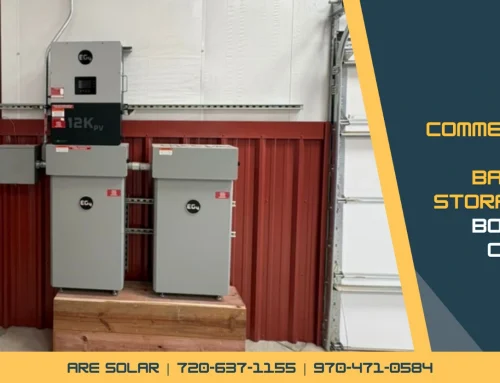
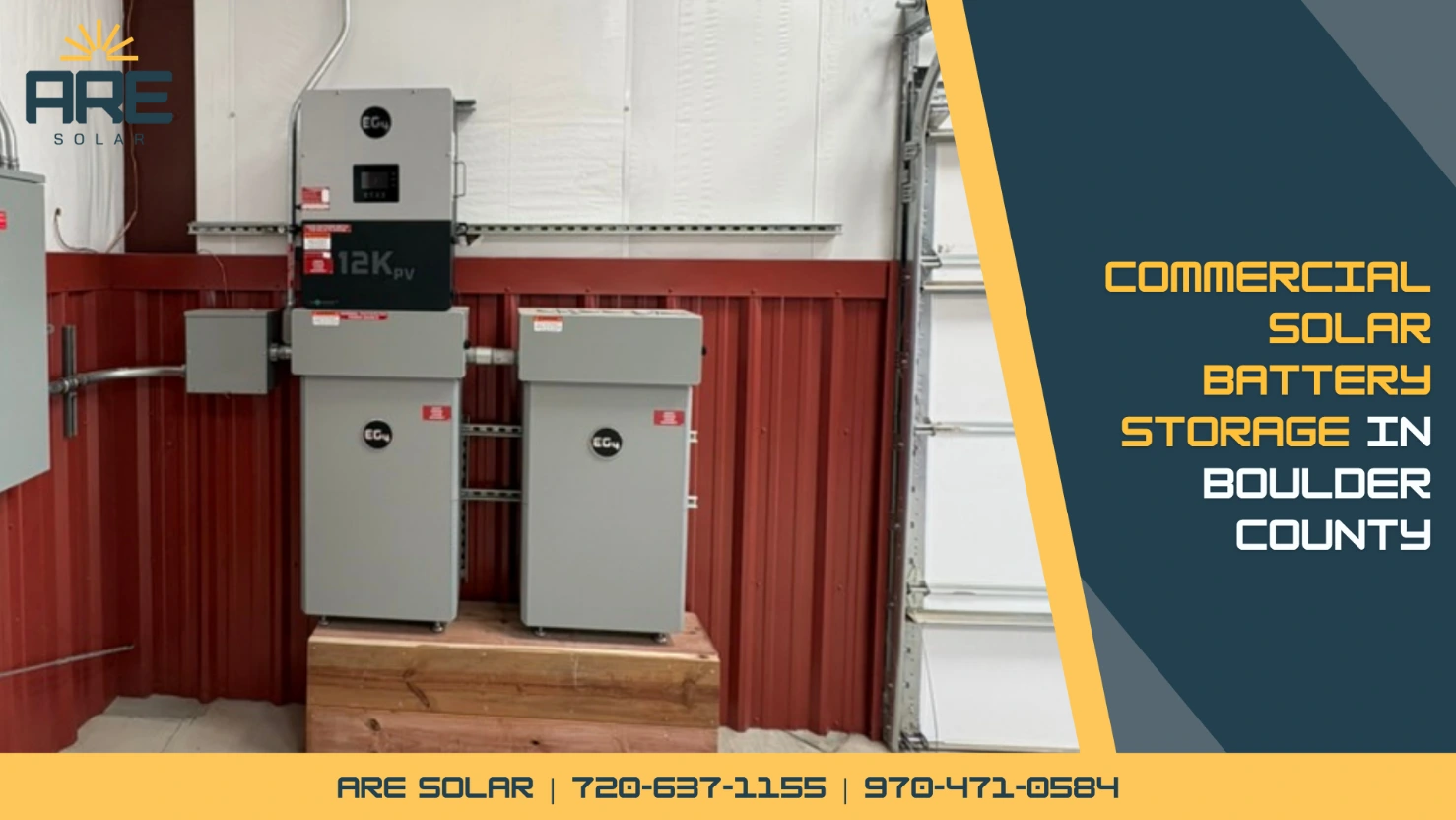
Modern solar planning often includes provisions for battery storage, energy monitoring, and smart load management.
Working with new construction solar installers in Erie during the electrical design phase ensures inverter placement, disconnect access, and monitoring hardware are all integrated cleanly.
Construction Timing, Cost Efficiency, and Installation Sequencing
Coordinating Roof Layout Before Installation
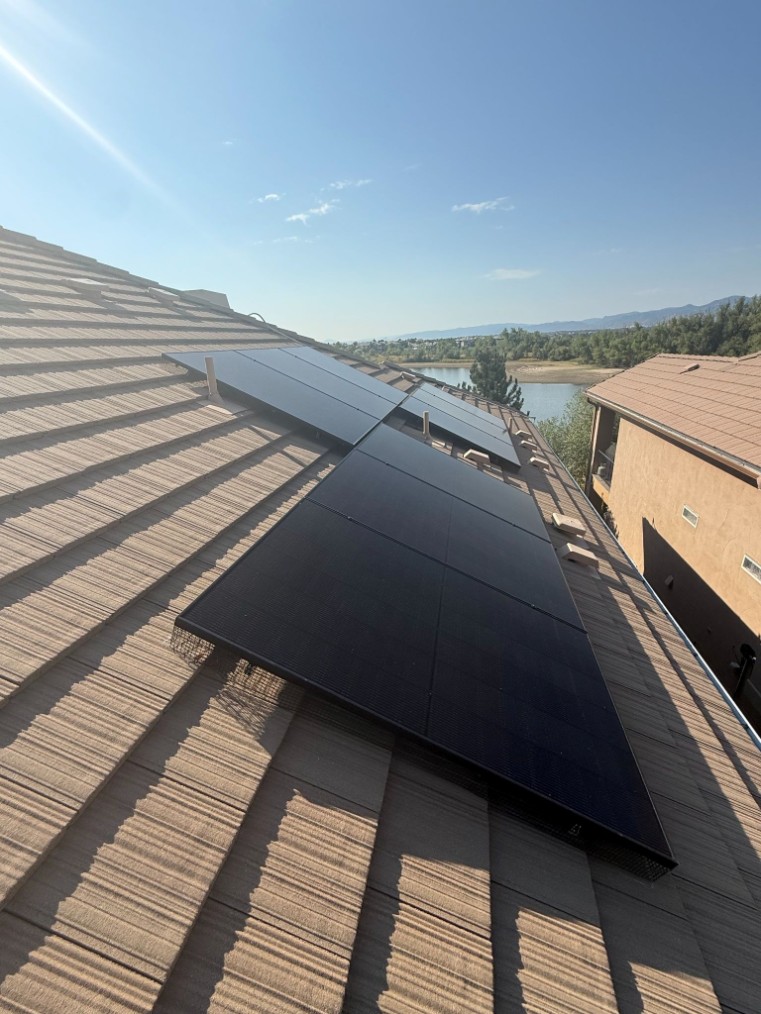
Proper planning begins before panels ever reach the roof. One of the most important steps is coordinating roof penetrations and ventilation placement so vents, plumbing stacks, and other obstructions do not interfere with the planned PV array layout.
By reviewing roof plans early, adjustments can be made to ensure optimal panel placement, reduce shading conflicts, and avoid costly repositioning later. Thoughtful coordination at this stage improves both aesthetics and long-term performance.
Coordinating Trades and Permits
Solar installation requires coordination between electricians, roofers, framers, and local inspectors. Clear sequencing prevents delays and ensures structural, electrical, and interconnection requirements are met efficiently.
Planning months in advance helps keep projects on schedule and minimizes last-minute design changes that can increase cost.
Lifecycle System Planning
Full-service providers like ARE Solar support homeowners beyond installation through monitoring, maintenance, and system diagnostics. Solar is a long-term infrastructure investment, not a one-time construction project.
When properly installed and maintained, a system can perform reliably for 25 years or more. Strategic planning at every stage protects that long-term value.
Start Strong and Build the Future with ARE Solar
Building a new home is one of the biggest investments you will ever make, and we believe your energy future should be built into that foundation from the very beginning. When planning new construction solar installation in Erie, ARE Solar works alongside builders, architects, and homeowners to design systems that match how your home will actually live and breathe. We understand the climate, permitting environment, and construction realities unique to Erie and the surrounding Front Range communities.
We are ready to help you evaluate your site, design solar-ready roofing and electrical systems, and plan for future technologies like battery storage and EV charging. Call us today to schedule your consultation and start planning your solar-ready home with confidence. We are ready to help you design smarter, build better, and power your future from day one.