Erie, Colorado continues to grow at a steady pace. New neighborhoods are rising, commercial spaces are expanding, and developers are thinking long-term about operational costs and property value. In this environment, energy strategy matters from day one. That’s why more builders are evaluating solar for new constructions in Erie as part of the original design rather than as a retrofit after occupancy. Federal tax incentives under Sections 48 and 48E have fundamentally changed the financial equation.
What was once considered a sustainability upgrade is now a structured investment with measurable returns. For projects under 1 megawatt, the path to strong federal credits is clear and accessible. The opportunity is significant, but it requires planning early in the construction phase. In a competitive market like Erie, timing your project correctly can be the difference between good returns and exceptional ones.
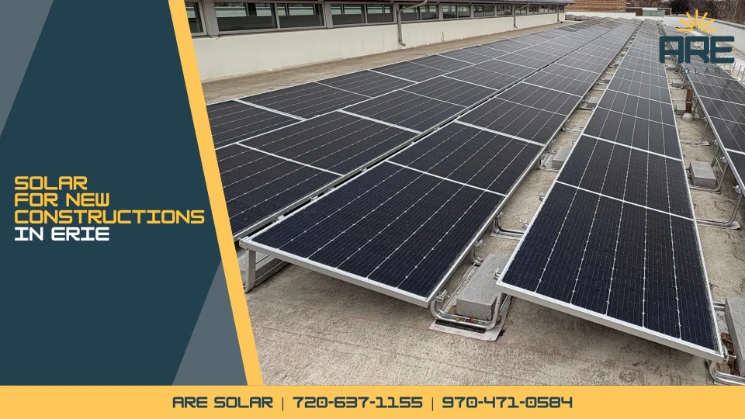
Understanding the 48 & 48E Investment Tax Credits
Sections 48 and 48E of the Internal Revenue Code function as Investment Tax Credits (ITC) for solar energy systems. Qualifying projects can deduct a percentage of their total solar investment directly from federal tax liability. For projects placed in service after December 31st, 2024, the base credit begins at 6%.
However, that base rate is only part of the story.
For many projects, the credit can reach up to 30% of total eligible costs when structured properly. For developments under 1 MW in size—which represent the majority of rooftop and on-site commercial and residential builds in Erie—the structure is straightforward and does not require compliance with Prevailing Wage & Apprenticeship rules. This is particularly important for local builders who want simplicity and predictability.
Unlike older versions of the solar credit, 48E also transitions toward a technology-neutral clean electricity framework. This creates long-term stability for new builds designed with energy performance in mind.
Why Solar for New Constructions in Erie Is a Financial Strategy, Not an Add-On
When developers integrate solar at the blueprint stage, installation costs are typically lower than retrofitting an existing building. Electrical infrastructure can be optimized upfront. Roof orientation and load calculations can account for solar from the start. That means the tax credit applies to a more efficiently designed system.
For builders considering new construction solar installation in Erie, this creates a powerful stacking effect:
- Lower design and installation costs
- Immediate federal tax credit value
- Long-term utility savings
- Increased property appeal in an energy-conscious market
Erie benefits from strong solar irradiance and rising utility rates across Colorado’s Front Range. These regional factors amplify federal incentives by shortening payback periods. When 30% of your eligible solar costs may be offset through a federal credit, the capital recovery timeline shifts dramatically.
ARE Solar works with property owners and builders across the region to align system sizing, design, and tax planning early in the process ensuring incentives are maximized without unnecessary complexity.
How the Credit Is Claimed — And Why Timing Matters
The ITC is claimed using IRS Form 3468 and reported under the General Business Credit via Form 3800. The value is applied against federal tax liability based on total qualified project costs.
For Erie-based projects, timing is critical in three ways:
1. Placed-in-Service Requirements
The system must be operational within the tax year it is claimed.
2. Cost Eligibility
Eligible expenses include panels, inverters, racking, electrical components, and labor directly tied to installation.
3. Project Structuring
Proper system sizing (especially under 1 MW) avoids additional compliance layers and preserves efficiency in claiming the credit.
Builders who delay planning often lose optimization opportunities. Solar should be integrated during early construction planning, not treated as an afterthought.
For those pursuing new construction solar installation in Erie, coordination between your solar provider and tax professional ensures no value is left on the table.
Erie’s Growth and the Competitive Advantage of Energy-Ready Builds
Erie sits at the intersection of residential expansion and commercial opportunity. Buyers and tenants are increasingly energy-aware. Energy-efficient buildings command stronger market positioning.
Incorporating solar for new constructions in Erie strengthens:
- Property valuation
- Long-term operating stability
- ESG positioning for commercial investors
- Buyer confidence in residential markets
Federal incentives will not remain static forever. While the Inflation Reduction Act provides long-term structure, credit values, market demand, and construction pricing evolve. Acting while incentive structures are clear and construction pipelines are manageable protects both financial and scheduling flexibility.
Solar is no longer a marketing upgrade. It is a capital allocation strategy.
Storage, Scalability, and Future-Proofing Your Build
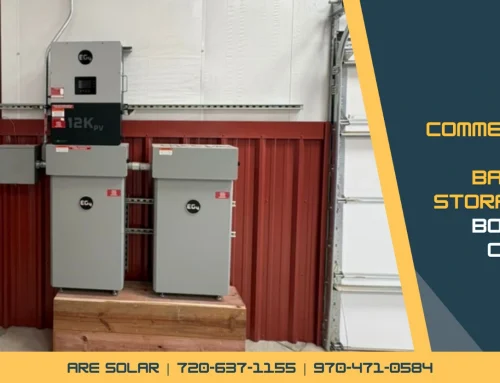
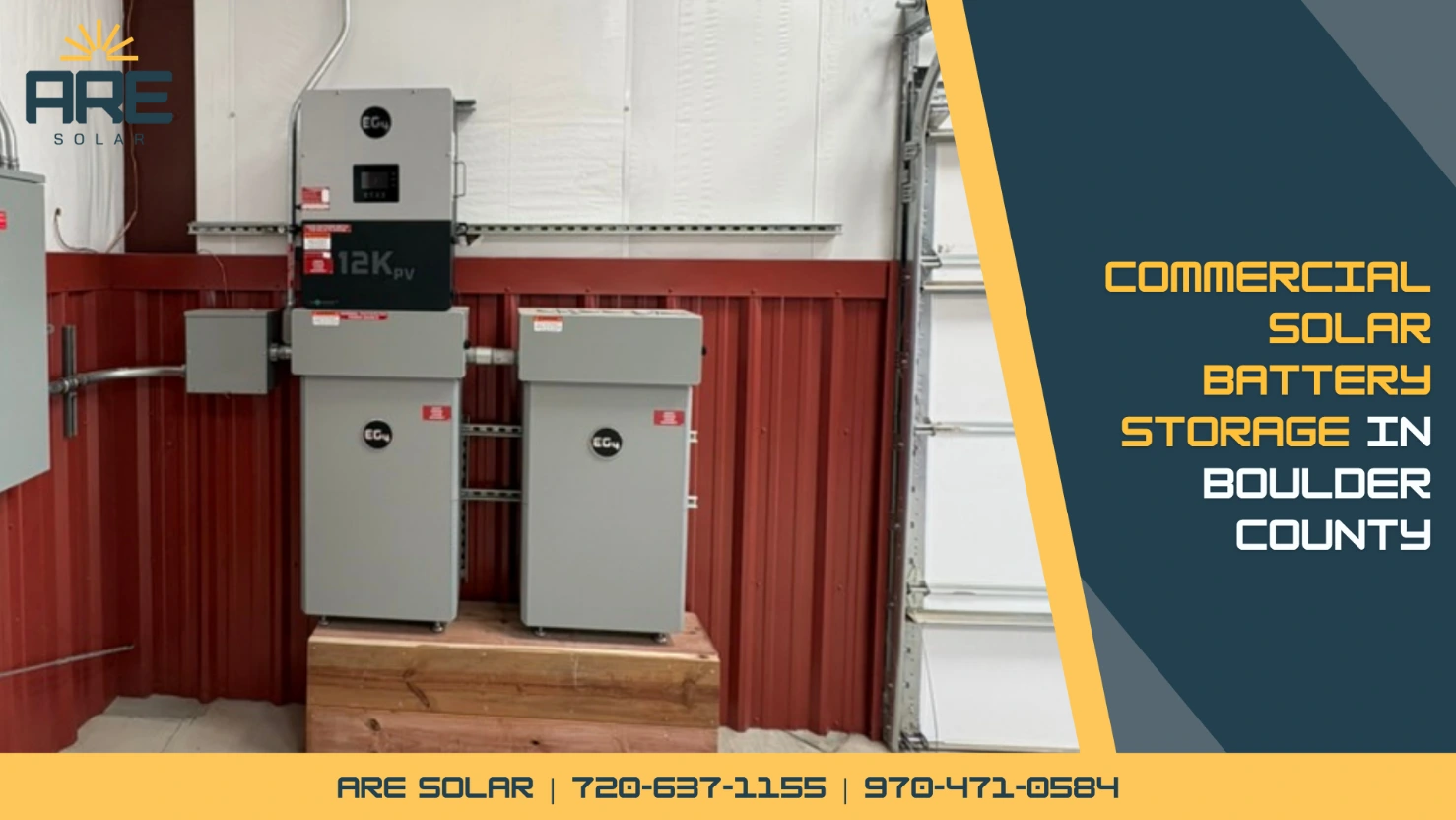
Under the updated federal framework, standalone energy storage systems also qualify for incentives. For Erie developers, this opens additional pathways:
- Battery systems that improve resilience
- Demand management strategies for commercial builds
- Enhanced long-term ROI
Designing for scalability now ensures that your building remains energy-competitive for decades. Solar and storage planning during construction avoids costly structural or electrical modifications later.
This is where experienced regional providers matter. ARE Solar understands Colorado permitting, interconnection requirements, and how federal credits integrate with real-world construction timelines. Our role is not just installation, but strategic alignment of incentives, engineering, and performance.

Upgrade the Build, Not the Stress: ARE Solar Helps Erie Projects Lock in Solar Incentive Value
Solar for new constructions in Erie gives builders and property owners the ability to reduce upfront capital exposure while locking in long-term operational savings. Waiting often means higher material costs, longer installation backlogs, and missed financial optimization windows. The 48 and 48E credits are structured, predictable, and powerful when used correctly.
If your next project is still in design or pre-construction, this is the ideal moment to evaluate integration. ARE Solar works with local developers to turn federal incentives into measurable returns, not just theoretical savings. Call us today to talk through your project goals, expected timelines, and the best approach for capturing 48/48E value. Let us evaluate your project and ensure your build performs financially from day one.